
Explore
Intelligence
Difficulty & Readiness Guide
Is Zalung Karpo La Trek Difficult? — Fitness & Altitude Guide
Challenging. A grueling test of high-altitude endurance. The 17,050 ft pass is steep and barren, and the river crossings are freezing and relentless.
The Question
Can I do this trek?
Preparation Required
Advanced
Prior Experience
Required: At least 2-3 moderate Himalayan treks (above 13,000ft).
Expert Verdict
Highly technical trek requiring physical and mental preparation.
Zalung Karpo La Trek
Himalayan Placement · Index 54Route Knowledge
Why is it difficult?
Exertion Index
Primary Challenge
Route Identity
Cardio-intensive route compounded by significant altitude exposure across a pass-crossing route featuring river crossings and loose moraine.
Primary Drivers
- Maximum sleeping altitude of 15,400 ft
- Grueling summit push with 1,650 ft of elevation gain
- 3 consecutive high-output trekking days
- Peak daily distance of 15 km
View Full Route Analysis
Physiological Demand
Expect long, exhausting days of sustained climbing at high intensity. Your cardiovascular system will be pushed to its absolute limit.
Significant time spent above 12,000ft. Expect shortness of breath and slower pacing.
Rough, uneven trails with occasional scrambling or minor exposure.
Multi-day camping requiring mental toughness to handle weather and fatigue debt.
Rolling or gradual terrain with minimal harsh impact on joints.
Terrain Breakdown
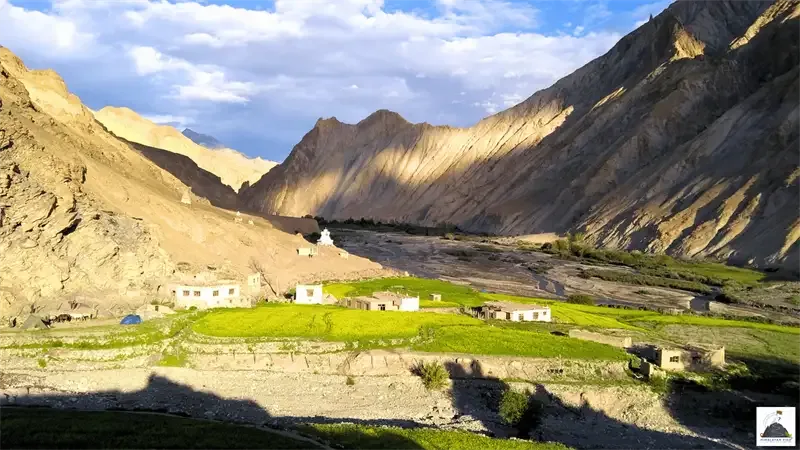
A harsh, high-altitude cold desert. You will walk on river boulders, dry dusty trails, and steep, loose scree. There are no forests or shade.
Summit Day Notes
Zalung Karpo La is a test of cardiovascular endurance. The lack of oxygen at 17,050 ft makes every step an effort. The terrain is non-technical but brutally steep.
The Descent
The descent from the pass is extremely dry and slippery due to loose gravel. Trekking poles are highly recommended.
Altitude Profile
Aggressive. You sleep at 14,700 ft and 15,400 ft before the pass. Proper hydration and monitoring for AMS are critical.
Run AMS Risk Audit →Trail Performance Data
Max Gradient
45%
Hydration
1L per km recommended
Loose Surface Sections
- •The entire climb and descent of Zalung Karpo La is over loose, sliding scree.
Personal Readiness
Am I ready?
What this route demands
People who feel comfortable on this route can usually:
Who Can Do This Trek?
Min Age
16+
Max Age
55
Western Toilets at Base
Yes
Solo Female Travelers
Very safe regarding people, but the sheer isolation requires trekking with a verified, large agency.
Hazard Profile
What goes wrong?
Common Mistakes on Zalung Karpo La Trek
Most injuries and failures on this trail can be avoided by making smarter decisions early on.
Not bringing dedicated water sandals (Crocs). The glacial river crossings will freeze your feet, and walking in wet boots afterward will cause severe blisters.
Underestimating the sun. The UV radiation is intense. Sunburn and dehydration happen very quickly.
Ignoring acclimatization rules in Leh before starting the trek.
Safety & Medical Risks
Key Risks
Severe HAPE/HACE due to sustained altitudes and the 17,050 ft pass
Hypothermia at the high camps (Zalung Karpo La Base)
Dehydration in the cold desert air
AMS (Altitude Sickness)
High risk. The jump from Langthang Chen (14,700 ft) to Base Camp (15,400 ft) is a critical zone. Operators MUST carry emergency oxygen.
Evacuation Route
Evacuation is extremely difficult. Injured trekkers must be put on mules and ridden for 1-2 days to reach the nearest roadhead (Dat or back to Hankar).
Solo Trekking
Absolutely prohibited. Once you leave Hankar, the trail disappears into remote gorges. A minor injury can become fatal without a support team.
Common Trail Ailments
🏥 Nearest ICU: SNM Hospital, Leh
Tactical Emergency Hub
> Helicopter evacuation from Dat or Hankar is possible via military coordination in extreme emergencies.
Auditability
How is this calculated?
Understand This Route Further
Before attempting this route:
Still deciding?
Compare routes side-by-side to find the perfect match for your fitness, dates, and budget.
Still think it's doable? Share this with your trek mate and see if they agree.
Step 2: Seasonal Safety
You know how demanding this route is.
Now find the safest and most reliable season to attempt it.
Check Best Time to Go