
Explore
Intelligence
Season & Weather Guide
Best Time for Vasuki Tal Trek - Kedarnath — Month-by-Month Guide
A spectacular high-altitude glacial lake trek accessed via the main Kedarnath Yatra trail.
Seasonal Verdict
When should you go?
A spectacular high-altitude glacial lake trek accessed via the main Kedarnath Yatra trail. It opens and closes in sync with the temple. The monsoon turns the Gaurikund approach into a lethal landslide zone.
Season at a Glance
Editor's Notes
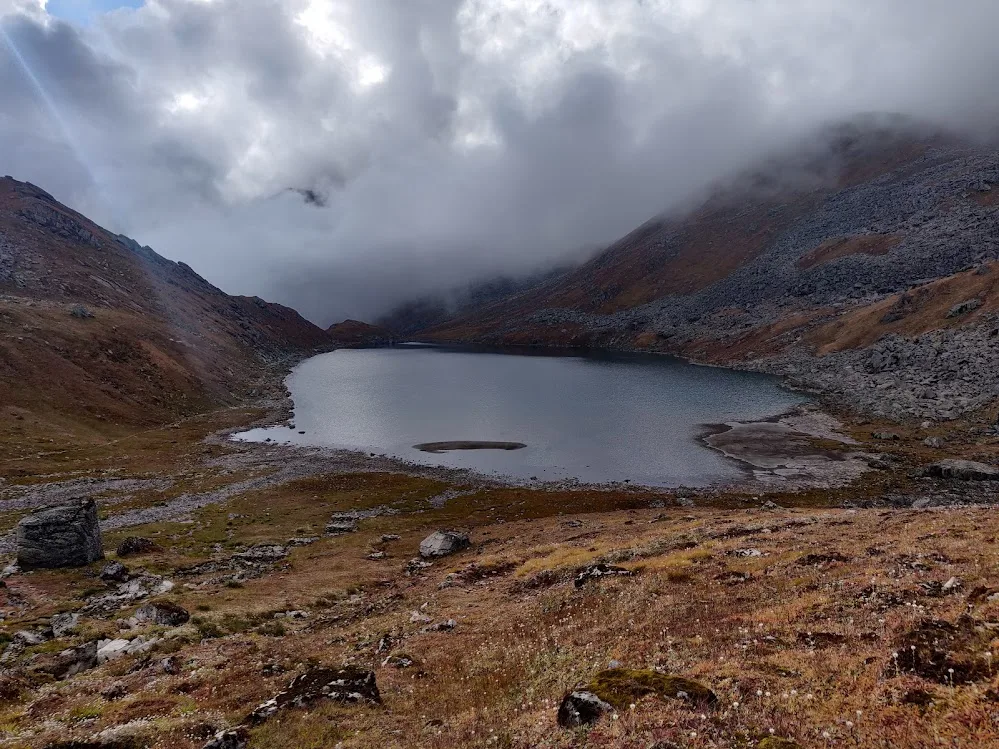
Late September is flawless. The monsoon has washed the dust out of the air, the Yatra crowds thin slightly, and Chaukhamba reflects perfectly in the lake.
Month by Month
What each month looks like
January
Conditions
Deep winter. The Kedarnath valley is closed and evacuated.
Crowds
none
Administrative closure and extreme snow.
Closed. Extreme winter conditions.
February
Conditions
Deep winter. The route remains closed.
Crowds
none
Administrative closure and extreme snow.
Closed. Extreme winter conditions.
March
Conditions
Severe winter conditions persist. Temple remains closed.
Crowds
none
Administrative closure.
Early season. Deep snow accumulations.
April
Conditions
Yatra preparations begin, but the route is not yet open to the public.
Crowds
none
Administrative closure.
Early season. Deep snow accumulations.
May
Peak SeasonConditions
The Yatra officially opens. Expect massive crowds on the approach to Kedarnath.
Crowds
high
Prime pre-monsoon window. Good snow stability.
June
Peak SeasonConditions
Prime summer trekking window. The lake is fully accessible from Kedarnath.
Crowds
high
Prime pre-monsoon window. Good snow stability.
July
Peak SeasonConditions
Monsoon rains arrive. The Gaurikund to Kedarnath approach is active but highly prone to landslides.
Crowds
medium
Monsoon danger. Landslides and severe rains.
August
Peak SeasonConditions
Peak monsoon. Pilgrims continue the yatra despite severe weather and landslide risks.
Crowds
medium
Monsoon danger. Landslides and severe rains.
September
Peak SeasonConditions
The monsoon recedes. The route stabilizes and views are crystal clear.
Crowds
high
Crystal clear skies. Best visibility of the year.
October
Peak SeasonConditions
Crisp autumn air provides flawless clarity. Huge crowds arrive before Diwali.
Crowds
high
Crystal clear skies. Best visibility of the year.
November
Conditions
The Yatra officially closes post-Diwali due to severe cold and impending snow.
Crowds
none
Administrative closure and severe cold.
Winter setting in. Sub-zero temperatures rapid.
December
Conditions
The route is abandoned for the winter season.
Crowds
none
Administrative closure and extreme snow.
Closed. Extreme winter conditions.
Plan Your Trek:
Still deciding?
Compare routes side-by-side to find the perfect match for your fitness, dates, and budget.
Timing makes or breaks a trek. Send this to your group before you decide.
Step 3: Route Intelligence
You've chosen a season.
Now see exactly how the route unfolds day by day, including terrain types and daily altitude profiles.
Explore the Itinerary