
Explore
Intelligence
Compare operators for
Sham Valley Trek
Compare operators for Sham Valley Trek
Interested in this trek?
We are currently vetting local partners for Sham Valley Trek to ensure the highest safety standards. Be the first to know when it's open for booking.
Are you a local operator?
Join our platform to list your verified packages for Sham Valley Trek and reach thousands of trekkers directly.
Found the right operator? Share this list with whoever's coming with you.
Better Prep.
Safer Expeditions.
Free professional-grade tools to audit your altitude safety and generate personalized gear checklists.
About Sham Valley Trek
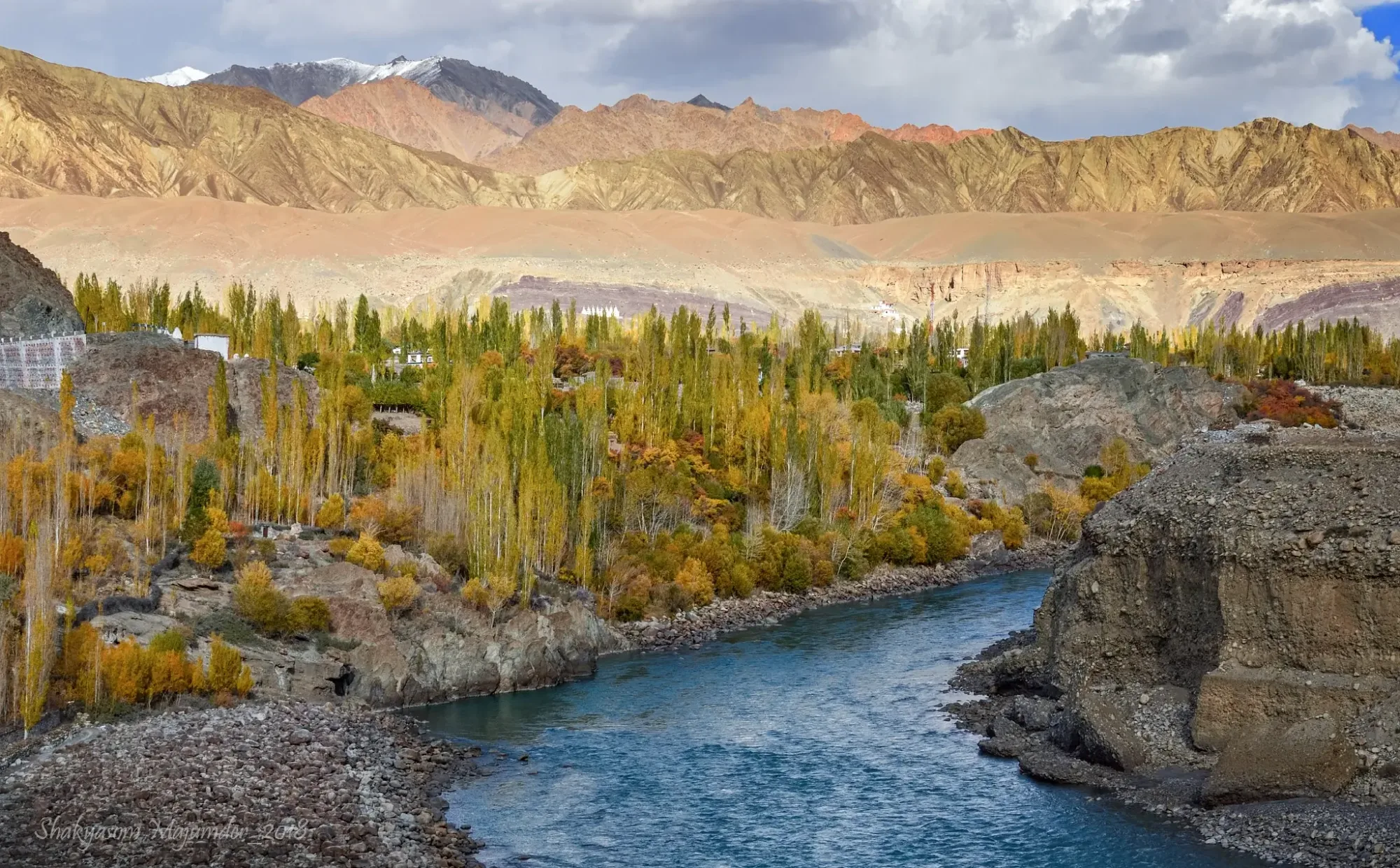
The Sham Valley Trek is Ladakh's classic beginner trek, connecting traditional villages, ancient monasteries, and gentle mountain passes west of Leh. Often called the "Baby Trek of Ladakh," the route reaches around 12,500 ft while offering an accessible introduction to the region's landscapes, culture, and high-altitude trekking.
Trek Highlights
Likir Monastery
A massive, gleaming 75-foot golden statue of Maitreya Buddha overlooking the barren valley.
Hemis Shukpachan Oasis
The surreal contrast of a vibrantly green, tree-filled village sitting in the middle of a brown, moon-like desert.
Common Questions
Why is it called the 'Baby Trek'?
Do I need to carry camping gear?
Will I get Altitude Sickness (AMS)?
Is it completely flat?
Can I drink the local water?
Do the homestays have attached bathrooms?
How hot does it get during the day?
Do I need a guide?
Why is it called the 'Baby Trek'?
Do I need to carry camping gear?
Will I get Altitude Sickness (AMS)?
Is it completely flat?
Can I drink the local water?
Do the homestays have attached bathrooms?
How hot does it get during the day?
Do I need a guide?
Are you a local operator?
Join our platform to list your verified packages for this trek.
Planning Sham Valley Trek?
Get route conditions, operator updates, and season windows before booking.
Don't miss out! Follow us for route updates@mountroutes|LinkedIn
No spam. Only useful trek updates.
Explore Collections