
Explore
Intelligence
Season & Weather Guide
Best Time for Shali Tibba Trek — Month-by-Month Guide
A fantastic year-round destination. Visit in September for clear views, or brave the trail in January for a beautiful, accessible snow trek.
Seasonal Verdict
When should you go?
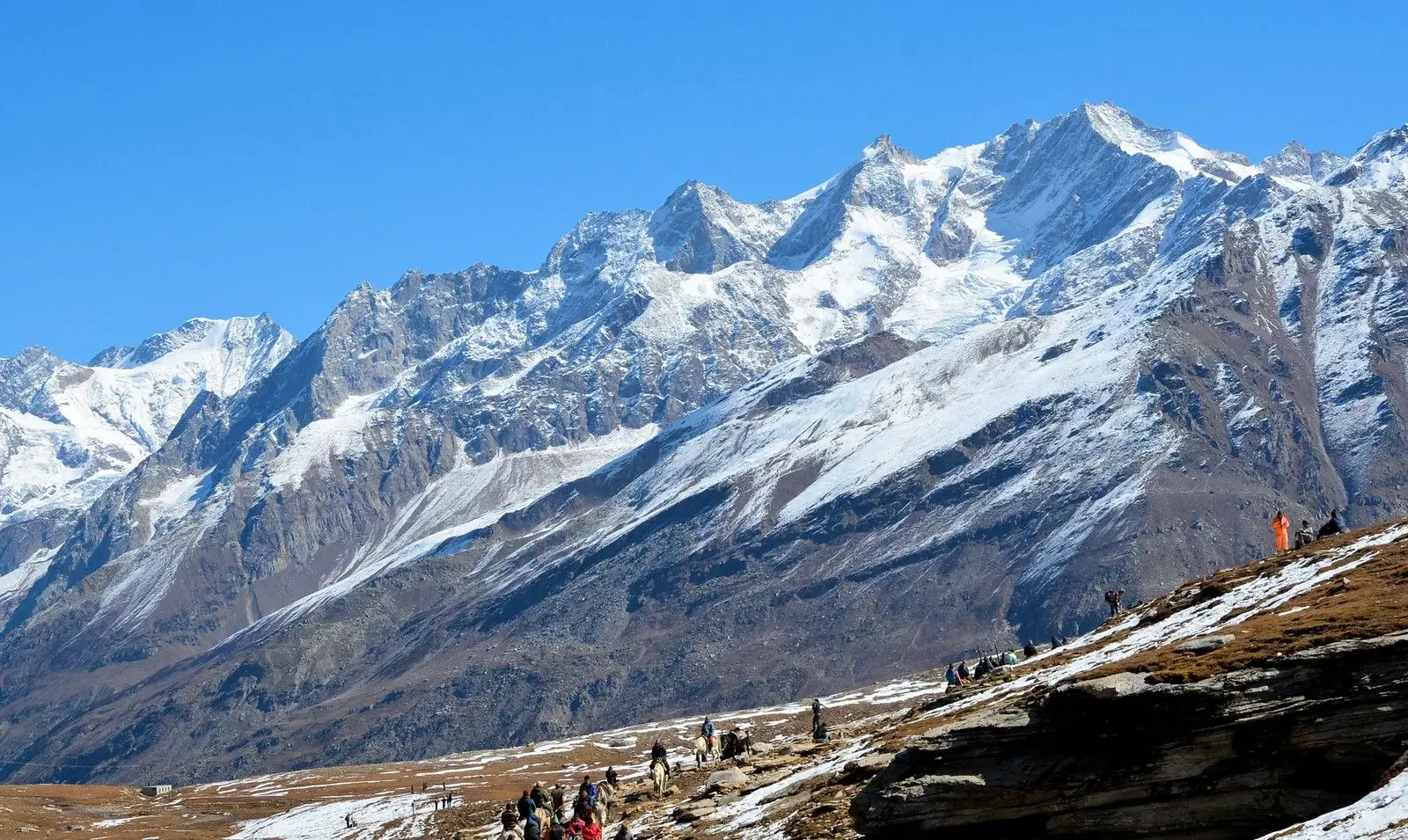
Shali Tibba is a fantastic year-round trek. Spring (March-May) offers beautiful weather, post-monsoon (Sep-Nov) provides crystal clear Himalayan views, and winter (Jan-Feb) offers a thrilling, accessible snow trek.
Season at a Glance
Editor's Notes
Month by Month
What each month looks like
January
Peak SeasonConditions
Peak winter. The trail above 8,000 ft is heavily snowed in. A magical, cold winter trek experience.
Crowds
medium
Beautiful snow trek. Wear waterproof shoes and carry microspikes.
February
Peak SeasonConditions
Continued winter conditions with hard-packed snow near the summit.
Crowds
medium
Snow remains near the summit. Crisp and cold.
March
Peak SeasonConditions
Spring begins. Snow melts rapidly, and the lower forests become lush green.
Crowds
medium
Spring arrives. Excellent, comfortable trekking weather.
April
Peak SeasonConditions
Excellent weather. Pleasant daytime temperatures, perfect for camping.
Crowds
medium
Rhododendrons bloom, making the forest vibrant.
May
Peak SeasonConditions
Pre-monsoon warmth. The trail is dry and very comfortable.
Crowds
medium
Warmest month. Start early to avoid the afternoon sun.
June
Peak SeasonConditions
Warmest month. Haze can sometimes obscure the distant snow peaks.
Crowds
medium
Pre-monsoon haze. Still very pleasant under the forest canopy.
July
Conditions
Monsoon begins. The forest turns incredibly green, but the trail becomes muddy and infested with leeches.
Crowds
low
Monsoon rains and trail surface degradation
Monsoon rains begin. Trail gets muddy and slippery.
August
Conditions
Peak monsoon. Heavy rains can cause landslides on the road from Shimla to Khatnol. Not recommended.
Crowds
none
Monsoon precipitation and landslide / slippery trail hazards
Heavy rains. Watch for leeches and carry good rain gear.
September
Peak SeasonConditions
Post-monsoon freshness. The sky is washed clean, offering the sharpest views of the year.
Crowds
medium
Post-monsoon clarity. The best month for panoramic Himalayan views.
October
Peak SeasonConditions
Autumn chill sets in. Beautiful, crisp trekking weather.
Crowds
medium
Crisp autumn air. Perfect for camping.
November
Peak SeasonConditions
Pre-winter cold. Dry trails, clear skies, and freezing nighttime temperatures.
Crowds
medium
Pre-winter chill. Carry a heavy fleece for the summit wind.
December
Peak SeasonConditions
Start of winter. First snowfalls usually occur late in the month.
Crowds
medium
Winter begins. First snowfalls transform the trail.
Plan Your Trek:
Still deciding?
Compare routes side-by-side to find the perfect match for your fitness, dates, and budget.
Timing makes or breaks a trek. Send this to your group before you decide.
Step 3: Route Intelligence
You've chosen a season.
Now see exactly how the route unfolds day by day, including terrain types and daily altitude profiles.
Explore the Itinerary