
Explore
Intelligence
Compare operators for
Shali Tibba Trek
Compare operators for Shali Tibba Trek
Interested in this trek?
We are currently vetting local partners for Shali Tibba Trek to ensure the highest safety standards. Be the first to know when it's open for booking.
Are you a local operator?
Join our platform to list your verified packages for Shali Tibba Trek and reach thousands of trekkers directly.
Found the right operator? Share this list with whoever's coming with you.
Better Prep.
Safer Expeditions.
Free professional-grade tools to audit your altitude safety and generate personalized gear checklists.
About Shali Tibba Trek
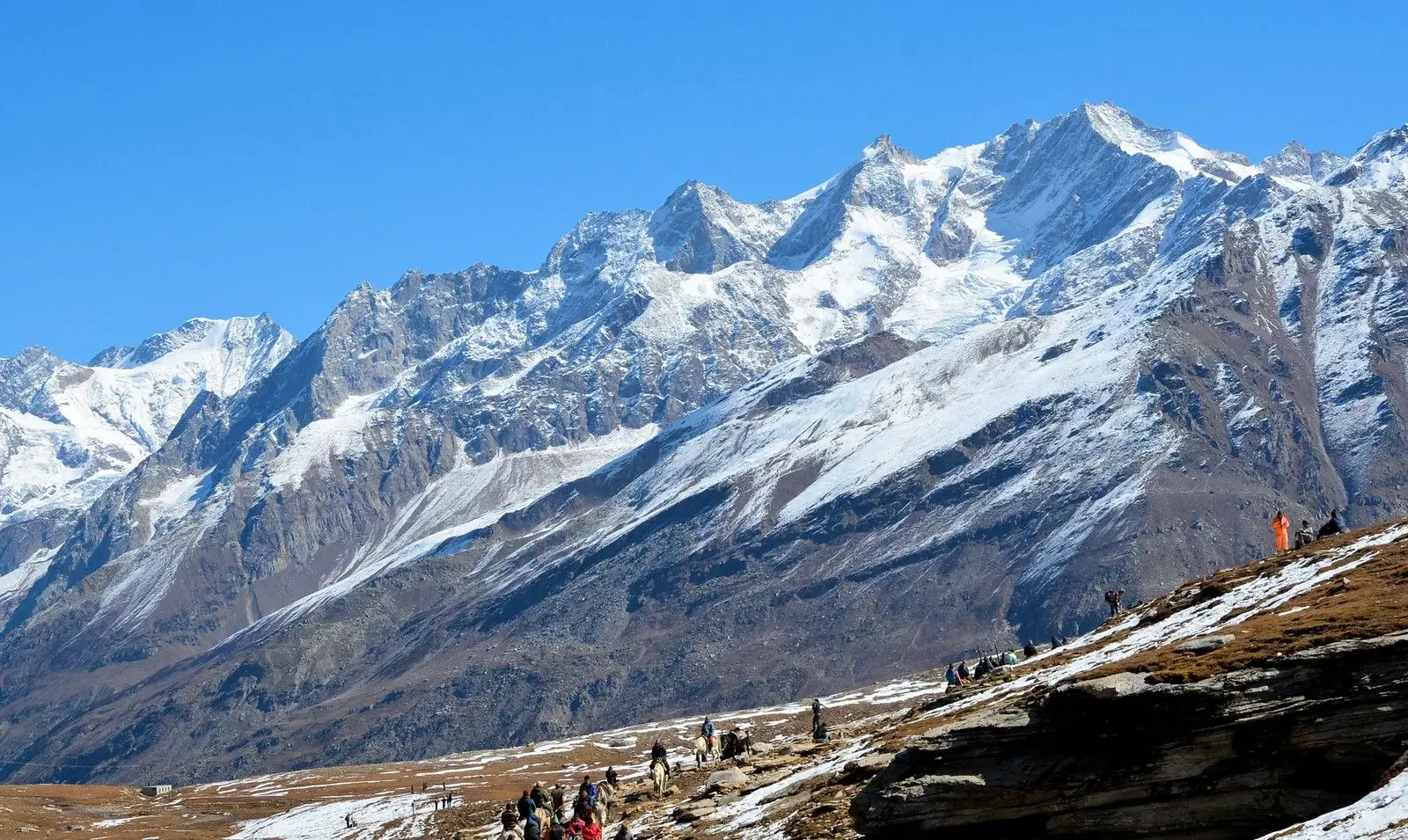
The Shali Tibba Trek climbs to the highest summit in the Shimla region, combining dense Himalayan forests with panoramic ridge-top views. A popular weekend trek, it culminates at the historic Shali Mata Temple overlooking the surrounding valleys and distant Himalayan ranges.
Trek Highlights
Khatnol Forest
A dense, silent canopy of old-growth blue pine and deodar trees.
Bhimakali Temple
A traditional Himachali wood-and-stone temple sitting spectacularly on the summit.
Shali Summit 360
Uninterrupted views of Shimla town, the Sutlej valley, and the distant snow-capped Kinnaur ranges.
Common Questions
Is Shali Tibba suitable for beginners?
Can I do the Shali Tibba trek in a single day?
Are there water sources along the trail?
Is it safe to trek Shali Tibba alone?
What is at the summit of Shali Tibba?
Where is the nearest medical facility?
Is alcohol allowed on the trek?
Will I see snow on this trek?
Is Shali Tibba suitable for beginners?
Can I do the Shali Tibba trek in a single day?
Are there water sources along the trail?
Is it safe to trek Shali Tibba alone?
What is at the summit of Shali Tibba?
Where is the nearest medical facility?
Is alcohol allowed on the trek?
Will I see snow on this trek?
Are you a local operator?
Join our platform to list your verified packages for this trek.
Planning Shali Tibba Trek?
Get route conditions, operator updates, and season windows before booking.
Don't miss out! Follow us for route updates@mountroutes|LinkedIn
No spam. Only useful trek updates.
Explore Collections