
Explore
Intelligence
Season & Weather Guide
Best Time for Parmar Valley Trail Trek — Month-by-Month Guide
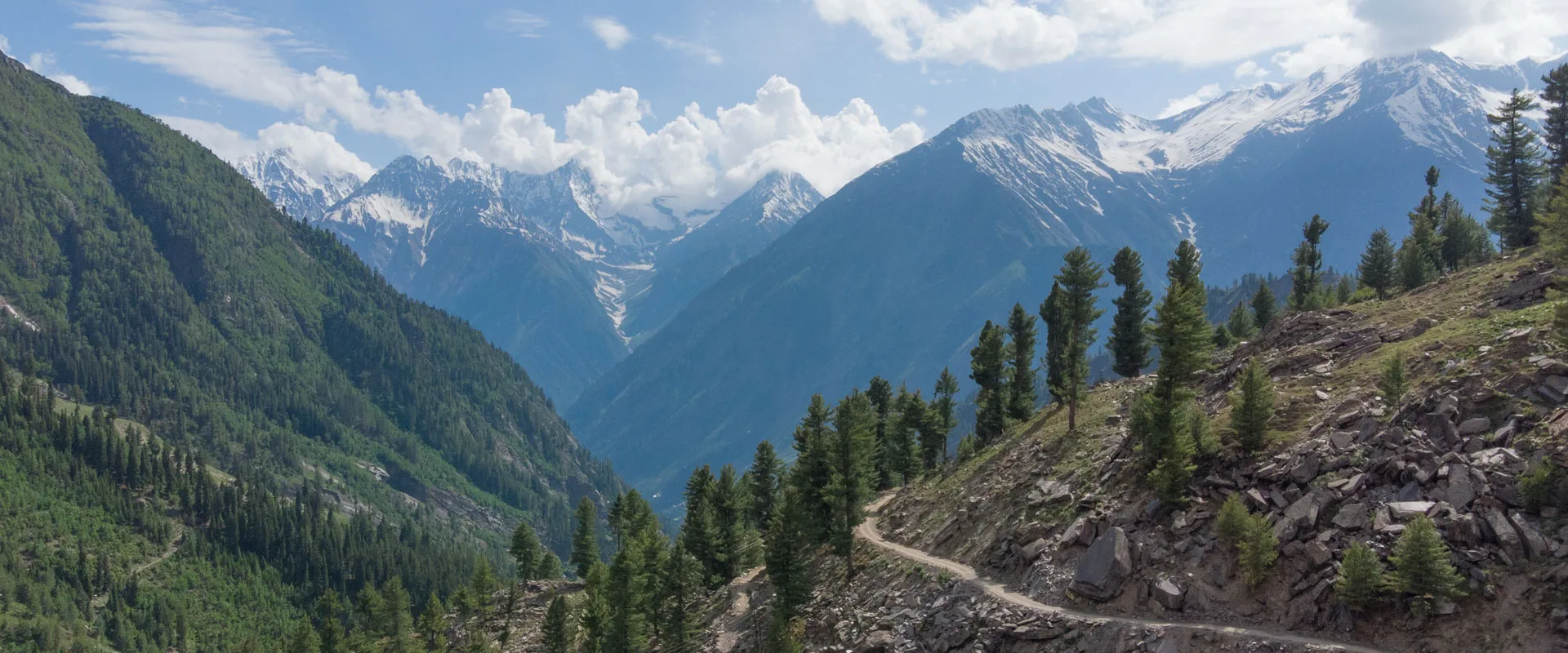
A pristine GHNP valley trail.
Seasonal Verdict
When should you go?
A pristine GHNP valley trail. May and June burst with wildflowers, while September through November offers flawless clarity and absolute solitude. The heavy monsoon completely obscures the valley and makes trails dangerously slippery.
Season at a Glance
Editor's Notes
Most Shoja visitors come for the Jalori Pass and Serolsar Lake, completely missing the Parmar valley behind the village. In May and June, you'll have one of Himachal's finest meadow landscapes to yourself.
Month by Month
What each month looks like
January
Conditions
Deep winter. The upper valley is deeply snowbound.
Crowds
none
Impassable winter snowpack.
Closed. Extreme winter conditions.
February
Conditions
Deep winter conditions persist.
Crowds
none
Impassable winter snowpack.
Closed. Extreme winter conditions.
March
RecommendedConditions
Spring melt begins in the lower valley.
Crowds
low
Early season. Deep snow accumulations.
April
Peak SeasonConditions
Spring is in full swing. Excellent trekking weather.
Crowds
medium
Early season. Deep snow accumulations.
May
Peak SeasonConditions
Peak summer window. Wildflowers bloom across the valley floor.
Crowds
medium
Prime pre-monsoon window. Good snow stability.
June
Peak SeasonConditions
Stable weather before the heavy rains arrive.
Crowds
medium
Prime pre-monsoon window. Good snow stability.
July
Conditions
Monsoon rains obscure the views entirely.
Crowds
low
Zero visibility and heavily muddy trails.
Monsoon danger. Landslides and severe rains.
August
Conditions
Peak monsoon. The primary attraction (mountain views) is completely blocked.
Crowds
low
Zero visibility and heavily muddy trails.
Monsoon danger. Landslides and severe rains.
September
Peak SeasonConditions
The rains withdraw, leaving the valley incredibly lush and green.
Crowds
medium
Crystal clear skies. Best visibility of the year.
October
Peak SeasonConditions
Crisp autumn air provides the absolute best clarity.
Crowds
medium
Crystal clear skies. Best visibility of the year.
November
RecommendedConditions
A highly underrated off-season window. Cold, but empty trails and stunning light.
Crowds
low
Winter setting in. Sub-zero temperatures rapid.
December
Conditions
Winter storms arrive, effectively closing the route for the season.
Crowds
none
Snow accumulation.
Closed. Extreme winter conditions.
Plan Your Trek:
Still deciding?
Compare routes side-by-side to find the perfect match for your fitness, dates, and budget.
Timing makes or breaks a trek. Send this to your group before you decide.
Step 3: Route Intelligence
You've chosen a season.
Now see exactly how the route unfolds day by day, including terrain types and daily altitude profiles.
Explore the Itinerary