
Explore
Intelligence
Season & Weather Guide
Best Time for Mukteshwar Binsar Connect Trek — Month-by-Month Guide
A magnificent low-altitude forest traverse.
Seasonal Verdict
When should you go?
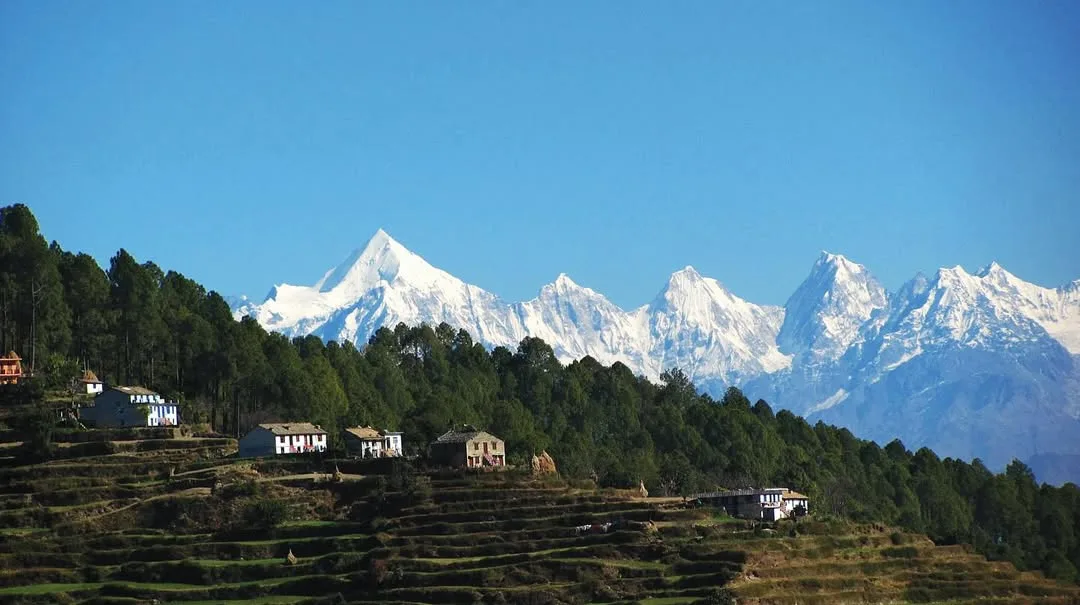
A magnificent low-altitude forest traverse. It offers two world-class windows: The 'Orchard Bloom' in spring and 'Himalayan Clarity' in autumn. Winter snow is rare but magical, while the monsoon obscures the mountain views entirely.
Season at a Glance
Editor's Notes
October clarity is unmatched. You can see the snow-melt on the faces of Nanda Devi with an 85mm lens from Zero Point.
Month by Month
What each month looks like
January
Peak SeasonConditions
Cold and crisp. Occasional winter snowfall transforms Binsar into a pristine white forest.
Crowds
medium
Closed. Extreme winter conditions.
February
Peak SeasonConditions
Clear skies and sharp views of the Nanda Devi range.
Crowds
medium
Closed. Extreme winter conditions.
March
Peak SeasonConditions
Spring begins. The fruit orchards in Mukteshwar start to bloom.
Crowds
medium
Early season. Deep snow accumulations.
April
Peak SeasonConditions
The 'Orchard Bloom' window. The trail is incredibly vibrant and weather is pleasant.
Crowds
high
Early season. Deep snow accumulations.
May
Peak SeasonConditions
Warm and popular summer trekking, offering a cool escape from the plains.
Crowds
high
Prime pre-monsoon window. Good snow stability.
June
Peak SeasonConditions
Pre-monsoon heat. Good trail conditions but expect cloudy afternoons obscuring the peaks.
Crowds
medium
Prime pre-monsoon window. Good snow stability.
July
Conditions
Monsoon rains arrive. The forest is lush, but the famous Himalayan views are completely blocked.
Crowds
low
Zero visibility, destroying the primary reward of the trek.
Monsoon danger. Landslides and severe rains.
August
Conditions
Peak monsoon. Constant cloud cover and heavy rain.
Crowds
low
Zero visibility, destroying the primary reward of the trek.
Monsoon danger. Landslides and severe rains.
September
Peak SeasonConditions
The rains withdraw, leaving the air washed clean and the peaks visible again.
Crowds
medium
Crystal clear skies. Best visibility of the year.
October
Peak SeasonConditions
The 'Himalayan Clarity' window. The absolute best views of the year.
Crowds
high
Crystal clear skies. Best visibility of the year.
November
Peak SeasonConditions
Temperatures drop significantly, offering incredible clarity before winter.
Crowds
medium
Winter setting in. Sub-zero temperatures rapid.
December
Peak SeasonConditions
A peaceful, frosty trail with excellent views.
Crowds
medium
Closed. Extreme winter conditions.
Plan Your Trek:
Still deciding?
Compare routes side-by-side to find the perfect match for your fitness, dates, and budget.
Timing makes or breaks a trek. Send this to your group before you decide.
Step 3: Route Intelligence
You've chosen a season.
Now see exactly how the route unfolds day by day, including terrain types and daily altitude profiles.
Explore the Itinerary