We are currently vetting local partners for Mantalai Lake Trek to ensure the highest safety standards. Be the first to know when it's open for booking.
Are you a local operator?
Join our platform to list your verified packages for Mantalai Lake Trek and reach thousands of trekkers directly.
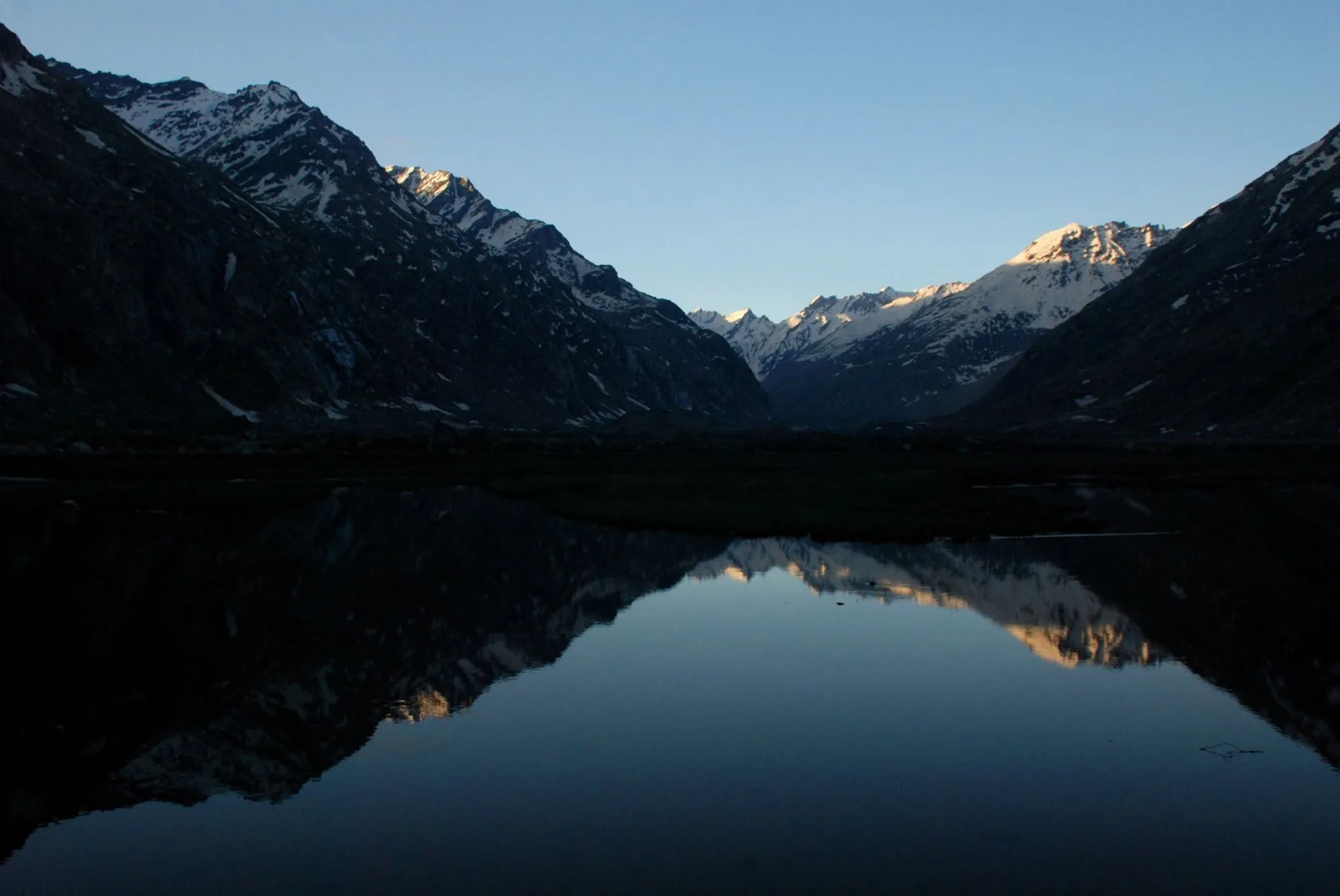
The Mantalai Lake Trek follows the upper Parvati Valley to the glacial lake that marks the traditional source of the Parvati River. Passing forests, waterfalls, alpine meadows, and glacier-fed valleys, this demanding multi-day trek offers a rewarding alternative for trekkers who want to explore the region without crossing Pin Parvati Pass.
Trek Highlights
Pandu Pul
Massive, ancient natural rock boulders wedged over the roaring Parvati River.
Odi Thach
A sprawling, flower-filled alpine meadow sitting in the shadow of towering 6,000m peaks.
Mantalai Lake
The serene, glacial source of the Parvati River, marked by a sacred Shiva trident.
Absolutely not. This is graded as a Hard trek. It spans over 85 km, involves crossing treacherous natural rock bridges (Pandu Pul), navigating steep, landslide-prone sections, and camping at high altitudes. Prior Himalayan trekking experience is mandatory.
How is this different from the Pin Parvati Pass trek?
The Pin Parvati Pass expedition continues past Mantalai Lake, ascending an ice wall and crossing a heavily crevassed glacier into Spiti. By stopping at Mantalai and returning, you avoid technical mountaineering gear (ropes, crampons, ice axes) while still experiencing the ultimate wilderness of the valley.
What is the famous Pandu Pul?
Pandu Pul consists of two massive natural rock boulders wedged over the roaring Parvati River. Trekkers must scramble over these boulders to cross the river. It is a thrilling but hazardous section that requires balance and caution.
What are the main hazards on this trek?
The primary hazards are Acute Mountain Sickness (AMS) at Mantalai, swollen glacial stream crossings, sheer drops on narrow trails between Kheerganga and Tunda Bhuj, and highly unpredictable weather.
Is there mobile connectivity on the trail?
You will get network coverage in Kasol and Barshaini. Once you reach Kheerganga, you will lose all network connectivity for the next 6 days until you return.
What is the best time to do this trek?
The best window is from mid-June to September. While the monsoon brings heavy rain to Kheerganga, the upper reaches (Odi Thach, Mantalai) remain incredibly lush and relatively clear. September offers the sharpest mountain views.
Where is the nearest medical help?
The nearest basic medical dispensary is in Kasol. For serious emergencies like HAPE or severe trauma, evacuation must be done to the major district hospital in Kullu. Evacuation from Mantalai takes days on foot.
Can I do this trek solo?
No. The extreme isolation, lack of marked trails beyond Tunda Bhuj, and dangerous river crossings make solo trekking lethal. You must trek with a certified expedition operator.
Is the Mantalai Lake trek suitable for beginners?
Absolutely not. This is graded as a Hard trek. It spans over 85 km, involves crossing treacherous natural rock bridges (Pandu Pul), navigating steep, landslide-prone sections, and camping at high altitudes. Prior Himalayan trekking experience is mandatory.
How is this different from the Pin Parvati Pass trek?
The Pin Parvati Pass expedition continues past Mantalai Lake, ascending an ice wall and crossing a heavily crevassed glacier into Spiti. By stopping at Mantalai and returning, you avoid technical mountaineering gear (ropes, crampons, ice axes) while still experiencing the ultimate wilderness of the valley.
What is the famous Pandu Pul?
Pandu Pul consists of two massive natural rock boulders wedged over the roaring Parvati River. Trekkers must scramble over these boulders to cross the river. It is a thrilling but hazardous section that requires balance and caution.
What are the main hazards on this trek?
The primary hazards are Acute Mountain Sickness (AMS) at Mantalai, swollen glacial stream crossings, sheer drops on narrow trails between Kheerganga and Tunda Bhuj, and highly unpredictable weather.
Is there mobile connectivity on the trail?
You will get network coverage in Kasol and Barshaini. Once you reach Kheerganga, you will lose all network connectivity for the next 6 days until you return.
What is the best time to do this trek?
The best window is from mid-June to September. While the monsoon brings heavy rain to Kheerganga, the upper reaches (Odi Thach, Mantalai) remain incredibly lush and relatively clear. September offers the sharpest mountain views.
Where is the nearest medical help?
The nearest basic medical dispensary is in Kasol. For serious emergencies like HAPE or severe trauma, evacuation must be done to the major district hospital in Kullu. Evacuation from Mantalai takes days on foot.
Can I do this trek solo?
No. The extreme isolation, lack of marked trails beyond Tunda Bhuj, and dangerous river crossings make solo trekking lethal. You must trek with a certified expedition operator.
Are you a local operator?
Join our platform to list your verified packages for this trek.