
Explore
Intelligence
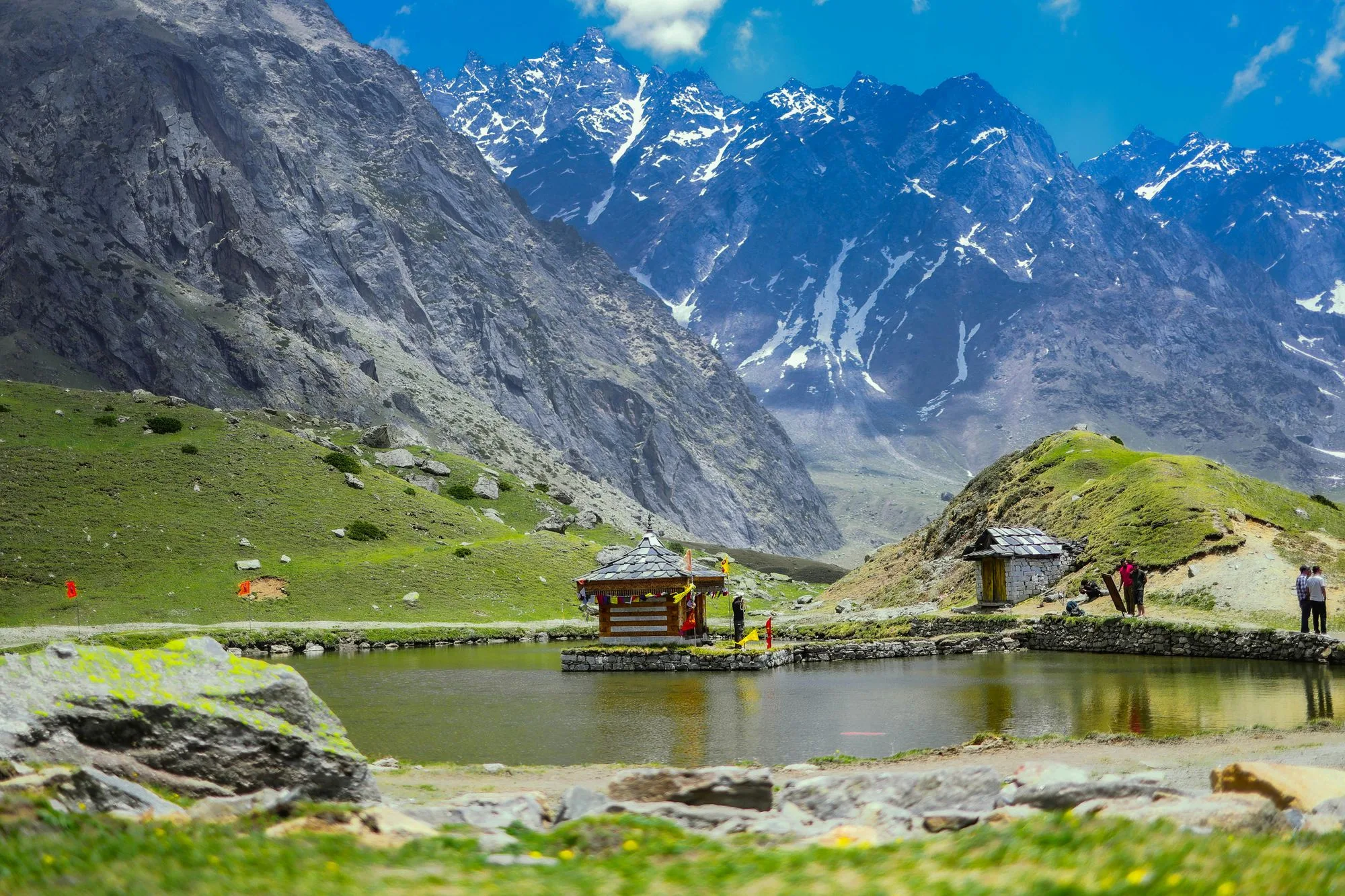
Difficulty & Readiness Guide
Is Krishna Temple Yulla Kanda Trek Difficult? — Fitness & Altitude Guide
The 4,600 ft gain on Day 2 requires good cardiovascular fitness.
The Question
Can I do this trek?
Preparation Required
Entry Level
Prior Experience
None required. Suitable for first-time trekkers.
Expert Verdict
Highly technical trek requiring physical and mental preparation.
Route Knowledge
Why is it difficult?
Exertion Index
Primary Challenge
Route Identity
Fast-paced or high-mileage route demanding excellent cardiovascular fitness across a pass-crossing route featuring loose moraine.
Primary Drivers
- Maximum sleeping altitude of 11,500 ft
View Full Route Analysis
Physiological Demand
Comfortable pacing with moderate daily distances.
Below the major effects of altitude sickness. Air remains relatively dense.
Rolling or gradual terrain with minimal harsh impact on joints.
Comfortable pacing with good recovery options.
Terrain Breakdown
Good trail through forest, transitioning to open grassy ridge. No technical terrain. Steepness is the main challenge.
Summit Day Notes
The ridge walk to the temple is exposed to wind but on a clear grassy path. No scrambling required.
The Descent
The steep 4,600 ft descent from ridge to Yulla Khas via grassy slopes and forest trail is knee-intensive. Poles essential.
Altitude Profile
13,800 ft is well within the moderate AMS risk zone. Monitor for headache at the ridge camp and descend if needed.
Run AMS Risk Audit →Trail Performance Data
Max Gradient
55%
Hydration
0.35L per km recommended
Loose Surface Sections
- •Grassy ridge descent (slippery when wet)
- •Scree near ridge crest
Personal Readiness
Am I ready?
What this route demands
People who feel comfortable on this route can usually:
Who Can Do This Trek?
Min Age
12+
Max Age
60
Western Toilets at Base
Yes
Solo Female Travelers
Yulla Khas is one of the safest and most welcoming communities in Himachal. Extremely safe for solo women. Guided group recommended on trail.
Hazard Profile
What goes wrong?
Common Mistakes on Krishna Temple Yulla Kanda Trek
Most injuries and failures on this trail can be avoided by making smarter decisions early on.
Attempting as a long day hike — underestimating cumulative elevation gain
Not carrying enough water for the dry upper ridge section
Safety & Medical Risks
Key Risks
Slipping on wet grassy ridge descent
Wind exposure on upper ridge — hypothermia risk if underprepared
Lightning risk on open ridge during afternoon storms
AMS (Altitude Sickness)
Sleeping at 11,500 ft on Day 2 is manageable for acclimatized visitors from Manali. Monitor for AMS symptoms before ridge push.
Evacuation Route
Retrace to Yulla Khas. Helicopter landing feasible in upper meadow.
Solo Trekking
Upper trail is faint above treeline. Local guide strongly recommended.
Common Trail Ailments
🏥 Nearest ICU: Regional Hospital Reckong Peo (Stabilization) / Dr. RPGMC Tanda (Specialized ICU)
Tactical Emergency Hub
> Upper meadow (11,500 ft) is helicopter-accessible in clear weather. Otherwise evacuation on foot to Yulla Khas is 4-5 hours.
Auditability
How is this calculated?
Understand This Route Further
Before attempting this route:
Still deciding?
Compare routes side-by-side to find the perfect match for your fitness, dates, and budget.
Still think it's doable? Share this with your trek mate and see if they agree.
Step 2: Seasonal Safety
You know how demanding this route is.
Now find the safest and most reliable season to attempt it.
Check Best Time to Go