
Explore
Intelligence
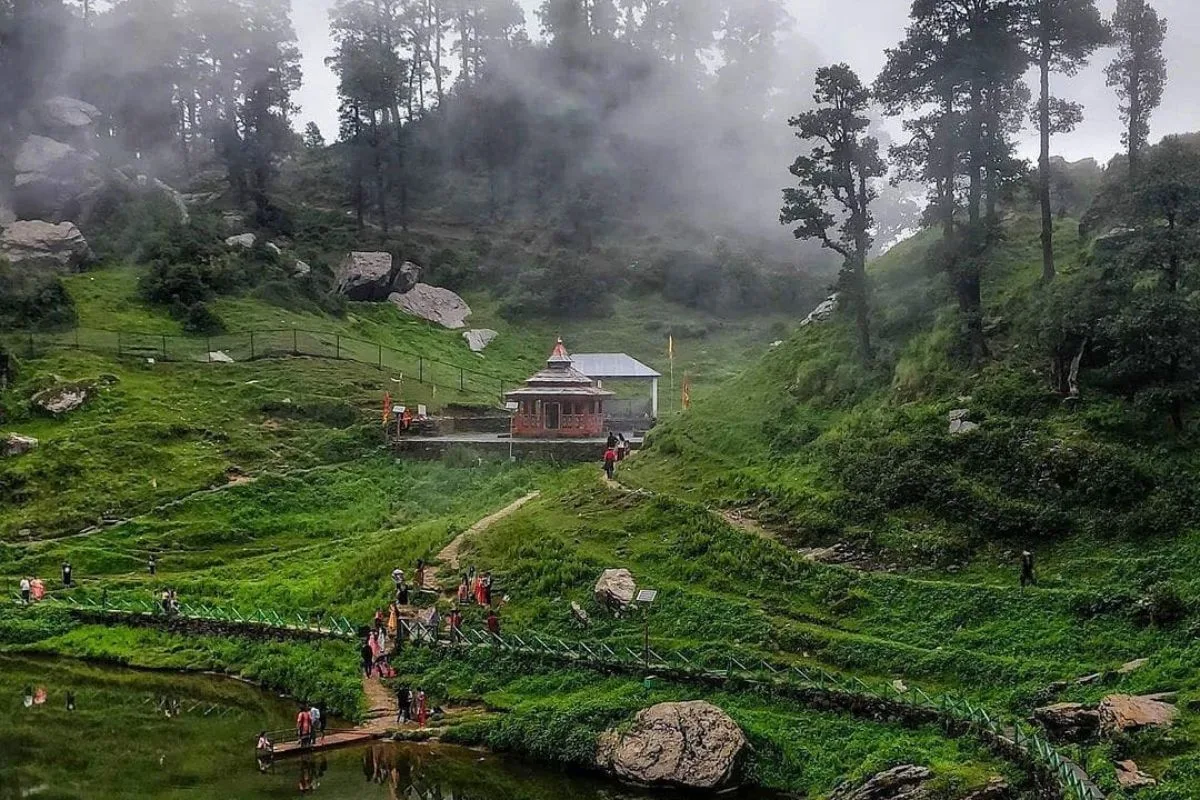
Season & Weather Guide
Best Time for GHNP Tirth Source Trek — Month-by-Month Guide
May to June for lush biodiversity, and September to November for clear skies; winter brings impassable snowpack.
Seasonal Verdict
When should you go?
A deep wilderness trek into the core of the Great Himalayan National Park. The trail requires multiple river crossings which become unfordable and highly dangerous during the monsoon. Spring and Autumn are ideal.
Season at a Glance
Editor's Notes
September in the upper Tirthan basin is extraordinary — the glacier is stable, the basin is free of snow, the sky is ink-blue at 14,000 ft, and the rare animals of the inner GHNP are at peak activity before their winter retreat. The Himalayan Brown Bear has been observed here in September.
Month by Month
What each month looks like
January
Conditions
Deep winter. The route is heavily snowbound and inaccessible.
Crowds
none
Impassable winter snowpack and extreme cold.
Closed. Extreme winter conditions.
February
Conditions
Deep winter. The route is heavily snowbound and inaccessible.
Crowds
none
Impassable winter snowpack and extreme cold.
Closed. Extreme winter conditions.
March
Conditions
Spring melt begins, making snow bridges and steep slopes highly unstable.
Crowds
none
High avalanche exposure and deep residual snow.
Early season. Deep snow accumulations.
April
RecommendedConditions
Spring begins. Lower forests bloom with rhododendrons while upper reaches retain snow.
Crowds
low
Early season. Deep snow accumulations.
May
RecommendedConditions
Excellent weather. The trail to ghnp tirth source is stable and fully accessible.
Crowds
low
Prime pre-monsoon window. Good snow stability.
June
RecommendedConditions
Excellent weather. The trail to ghnp tirth source is stable and fully accessible.
Crowds
low
Prime pre-monsoon window. Good snow stability.
July
Conditions
Peak monsoon. Route is unsafe due to objective weather hazards.
Crowds
none
Dominant monsoon hazards: rockfall, landslides, or unfordable rivers.
Peak season in rain shadow. River crossings swell.
August
Conditions
Peak monsoon. Route is unsafe due to objective weather hazards.
Crowds
none
Dominant monsoon hazards: rockfall, landslides, or unfordable rivers.
Peak season in rain shadow. River crossings swell.
September
RecommendedConditions
Autumn brings crystal clear skies and the best mountain views of the year for this route.
Crowds
low
Crystal clear skies. Best visibility of the year.
October
RecommendedConditions
Autumn brings crystal clear skies and the best mountain views of the year for this route.
Crowds
low
Crystal clear skies. Best visibility of the year.
November
RecommendedConditions
Early winter brings the first snowfalls, transforming the trail into a quiet winter wonderland.
Crowds
low
Winter setting in. Sub-zero temperatures rapid.
December
Conditions
Winter sets in. The route becomes inaccessible.
Crowds
none
Impassable winter snowpack and extreme cold.
Closed. Extreme winter conditions.
Plan Your Trek:
Still deciding?
Compare routes side-by-side to find the perfect match for your fitness, dates, and budget.
Timing makes or breaks a trek. Send this to your group before you decide.
Step 3: Route Intelligence
You've chosen a season.
Now see exactly how the route unfolds day by day, including terrain types and daily altitude profiles.
Explore the Itinerary