We are currently vetting local partners for GHNP Tirth Source Trek to ensure the highest safety standards. Be the first to know when it's open for booking.
Are you a local operator?
Join our platform to list your verified packages for GHNP Tirth Source Trek and reach thousands of trekkers directly.
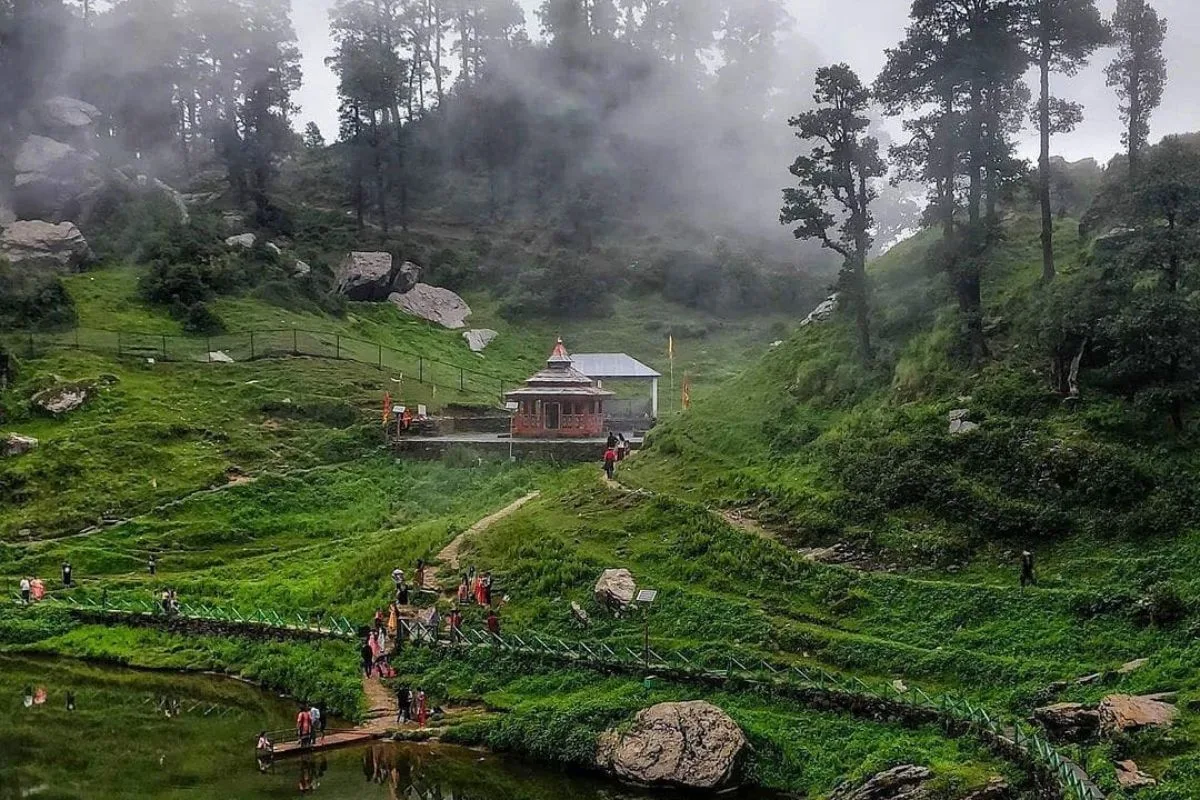
The Tirth Source Trek follows the Tirthan river to its glacial origin at 13,800 ft in the upper Great Himalayan National Park — a rarely visited sanctuary of pristine meadows, glacial lakes, and ancient moraine terrain within a UNESCO World Heritage Site. The trail passes through the finest old-growth forest in the Western Himalayas before emerging onto open alpine terrain. Fewer than 200 people reach the source annually. An extraordinary wilderness immersion for those with GHNP permits and ecological curiosity.
Trek Highlights
Primary Glacier Snout (Tirthan Source, 14,500 ft)
The blue-white glacier lip from which the main Tirthan channel emerges — clean water beginning a journey of 100+ km to the Beas river. One of the most geographically significant visual moments in the Western Himalayas.
Upper Tirthan Basin from 13,800 ft Camp
A wide, utterly pristine glacial basin with no human footprint visible in any direction — only the river, the glacier, the sky, and the surrounding peaks.
Has the Tirthan river source been properly mapped?
The origin glaciers have been identified by GHNP biodiversity surveys, but the precise 'source point' (as opposed to multiple contributing glaciers) is not formally marked. The trek targets the primary glacial basin at approximately 14,500 ft.
How many people do this trek each year?
Very rarely attempted compared to mainstream Himachal treks. complete the full route to the Tirth source zone in a typical year, making it among the rarest permitted trekking experiences in India.
Does the GHNP allow this trek?
Yes, with a special deep-core permit from the GHNP Wildlife Warden's office in Shamshi. This is different from the standard Rolla-Shilt permit and takes longer to process.
What wildlife is in the upper Tirthan zone?
Snow Leopard, Himalayan Brown Bear (rare in this zone), Himalayan Ibex, Blue Sheep, Musk Deer, and multiple raptors including possible Gyps vultures and eagles.
Can I drink the water at the source?
The water at the primary glacier-origin point is considered some of the purest on Earth. However, even here, Giardia is possible from upstream wildlife. Purify as a precaution.
Is this a loop or point-to-point?
Point-to-return. You ascend to the source and return the same route. The alternative of crossing into another valley from the upper basin requires a different high pass permit.
How do I get the special GHNP deep-core permit?
Apply to the GHNP Wildlife Warden's office in Shamshi (Kullu). Allow 4-6 weeks processing time. A certified GHNP approved expedition guide must co-sign the application.
What is the main physical challenge?
The cumulative altitude gain over 7 days to 14,500 ft through demanding forest and moraine terrain. Days 1-3 are physically harder than most high-pass treks. Days 4-5 at altitude require AMS vigilance.
Is the Tirthan river continuous all the way to the source?
Yes. You follow the same river for all 7 days — from the crystal-clear fast-flowing valley river at Gushaini to the braided glacial streams in the upper basin. The river's character transforms completely over this distance.
Can I extend this into a high pass crossing?
Theoretically yes — the upper Tirthan basin connects to high passes toward the Parvati valley and Kullu-Spiti divide. These require separate permits and glacier expedition experience.
Has the Tirthan river source been properly mapped?
The origin glaciers have been identified by GHNP biodiversity surveys, but the precise 'source point' (as opposed to multiple contributing glaciers) is not formally marked. The trek targets the primary glacial basin at approximately 14,500 ft.
How many people do this trek each year?
Very rarely attempted compared to mainstream Himachal treks. complete the full route to the Tirth source zone in a typical year, making it among the rarest permitted trekking experiences in India.
Does the GHNP allow this trek?
Yes, with a special deep-core permit from the GHNP Wildlife Warden's office in Shamshi. This is different from the standard Rolla-Shilt permit and takes longer to process.
What wildlife is in the upper Tirthan zone?
Snow Leopard, Himalayan Brown Bear (rare in this zone), Himalayan Ibex, Blue Sheep, Musk Deer, and multiple raptors including possible Gyps vultures and eagles.
Can I drink the water at the source?
The water at the primary glacier-origin point is considered some of the purest on Earth. However, even here, Giardia is possible from upstream wildlife. Purify as a precaution.
Is this a loop or point-to-point?
Point-to-return. You ascend to the source and return the same route. The alternative of crossing into another valley from the upper basin requires a different high pass permit.
How do I get the special GHNP deep-core permit?
Apply to the GHNP Wildlife Warden's office in Shamshi (Kullu). Allow 4-6 weeks processing time. A certified GHNP approved expedition guide must co-sign the application.
What is the main physical challenge?
The cumulative altitude gain over 7 days to 14,500 ft through demanding forest and moraine terrain. Days 1-3 are physically harder than most high-pass treks. Days 4-5 at altitude require AMS vigilance.
Is the Tirthan river continuous all the way to the source?
Yes. You follow the same river for all 7 days — from the crystal-clear fast-flowing valley river at Gushaini to the braided glacial streams in the upper basin. The river's character transforms completely over this distance.
Can I extend this into a high pass crossing?
Theoretically yes — the upper Tirthan basin connects to high passes toward the Parvati valley and Kullu-Spiti divide. These require separate permits and glacier expedition experience.
Are you a local operator?
Join our platform to list your verified packages for this trek.