
Explore
Intelligence
Season & Weather Guide
Best Time for Digar La Trek — Month-by-Month Guide
July to September. Ladakh is a rain-shadow region, making it the perfect trekking destination during the Indian monsoon.
Seasonal Verdict
When should you go?
Due to its high altitude and location in the trans-Himalayan desert, the trekking window is strictly limited to the summer months. Winter brings extreme, lethal cold and impassable snow, while spring and late autumn are unpredictable.
Season at a Glance
Editor's Notes
Month by Month
What each month looks like
January
Conditions
Deep winter. The pass is buried under heavy snow. Temperatures drop to -30°C.
Crowds
none
Lethal cold and deep snow.
Trek is impossible due to extreme cold and snow.
February
Conditions
Peak winter. The Chadar Trek on the Zanskar river is possible, but high passes like Digar La are closed.
Crowds
none
Passes closed.
Passes are closed.
March
Conditions
Still heavy winter conditions at 17,000 ft. Too much snow to trek safely.
Crowds
none
Deep snow.
Too much snow at high altitudes.
April
Conditions
Tourist season begins in Leh, but high trekking passes remain snowbound and dangerous.
Crowds
none
Slushy, unstable snow.
Unstable snow conditions. Not recommended.
May
Conditions
Late May might be possible for experienced groups, but expect significant snow on the pass requiring gaiters and extreme caution.
Crowds
none
Lingering snowpack.
Late May is possible, but expect heavy snow navigation on the pass.
June
RecommendedConditions
Early summer. Snow clears from the lower approaches. Days are sunny but streams are swollen with meltwater.
Crowds
low
Great time to trek. Days are warm.
July
RecommendedConditions
Prime trekking season. Since Ladakh is a rain shadow area, it avoids the Indian monsoon. Perfect, clear trekking weather.
Crowds
low
Peak season. Excellent clear weather as Ladakh avoids the monsoon.
August
RecommendedConditions
Peak season. Warmest days, clear passes, and excellent visibility. Streams can be high in the afternoons.
Crowds
low
Peak season. Glacial streams can run high in the afternoon.
September
RecommendedConditions
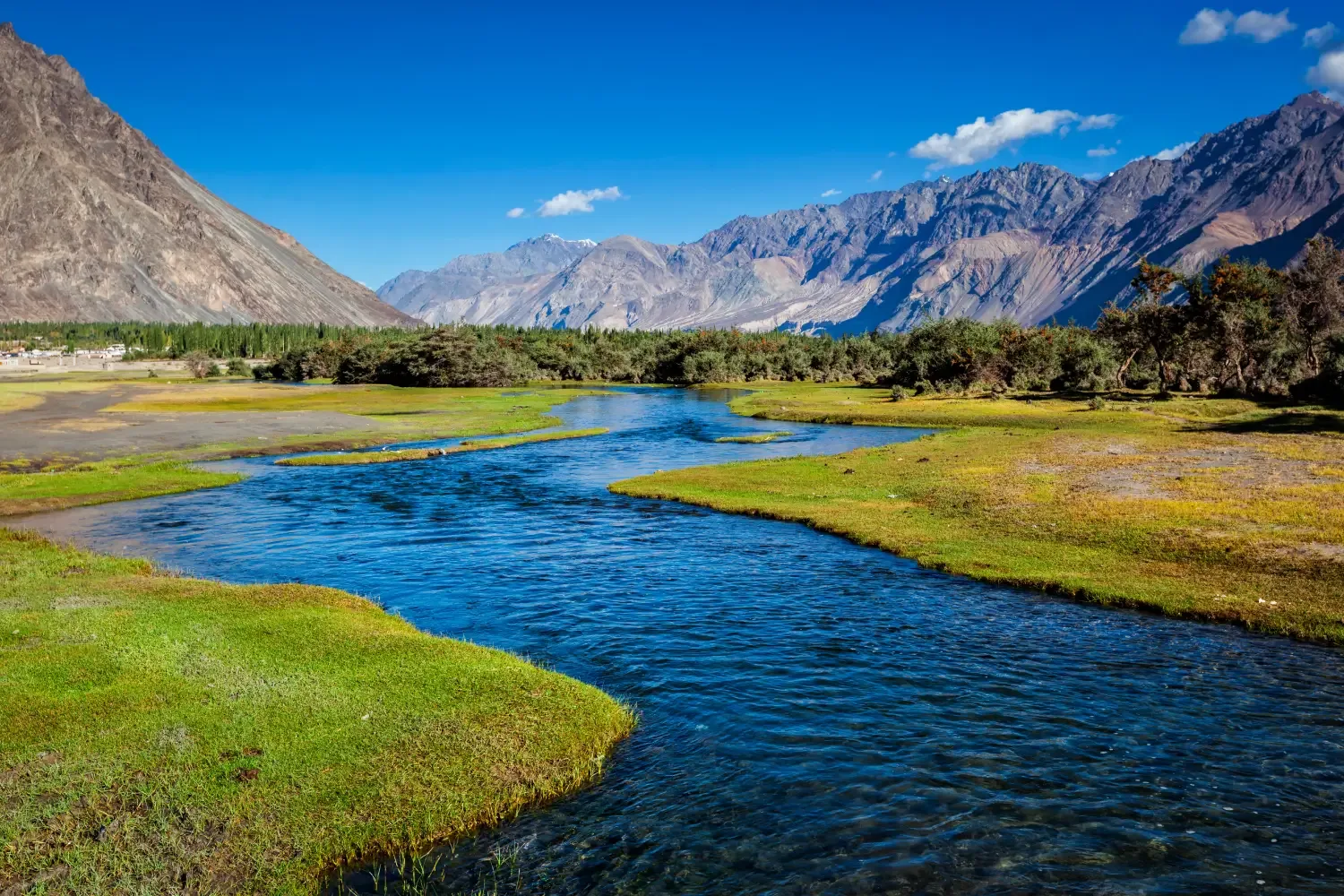
Post-summer. Temperatures drop, especially at night. Skies are exceptionally clear. The landscape turns golden.
Crowds
low
Perfect skies, but nights at basecamp become very cold.
October
Conditions
Early winter sets in. Extreme cold at night (-15°C at basecamps). Late October sees the first heavy snowfalls.
Crowds
none
Extreme cold and risk of pass closure.
Winter approaching. Only for hardcore trekkers prepared for severe cold.
November
Conditions
Winter conditions. Trekking operations cease.
Crowds
none
Extreme cold.
Trekking season ends.
December
Conditions
Deep winter. Pass inaccessible.
Crowds
none
Winter conditions.
Inaccessible.
Plan Your Trek:
Still deciding?
Compare routes side-by-side to find the perfect match for your fitness, dates, and budget.
Timing makes or breaks a trek. Send this to your group before you decide.
Step 3: Route Intelligence
You've chosen a season.
Now see exactly how the route unfolds day by day, including terrain types and daily altitude profiles.
Explore the Itinerary