
Explore
Intelligence
Essential Planning Guide
Chanderkhani Pass Trek — Complete Guide (2026)
Vibe & Scenery
The Experience
Introduction
Chanderkhani Pass is one of Himachal Pradesh's most culturally significant trekking routes, linking the Kullu Valley with the legendary village of Malana. Local tradition associates the pass with Jamlu Devta, and many myths surrounding Malana trace their origins to this historic mountain crossing.
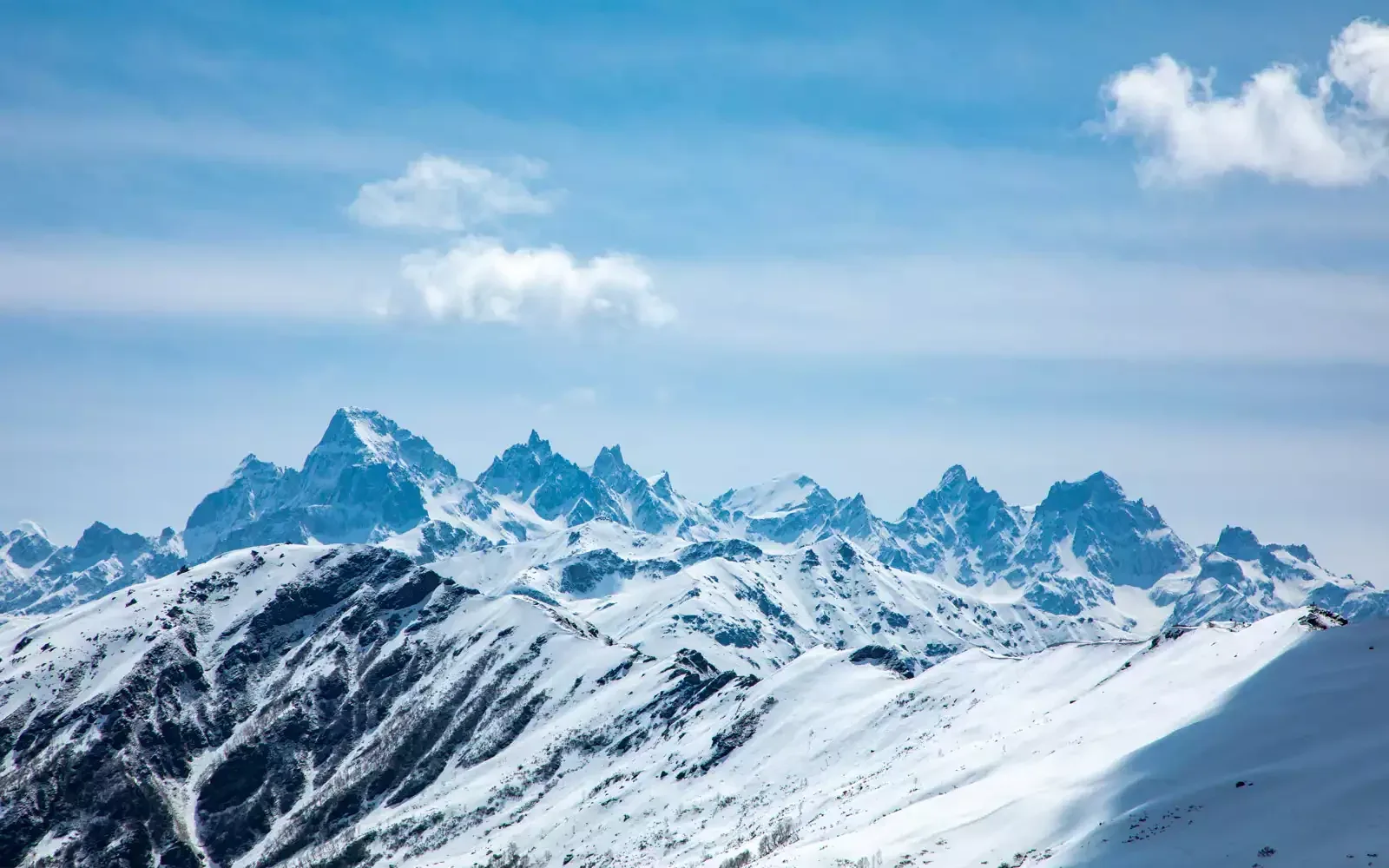
The trail climbs steadily through forests of deodar, pine, oak, and fir before emerging onto expansive alpine meadows beneath the pass. From the ridgeline, trekkers enjoy uninterrupted views of Deo Tibba, Indrasan, the Pir Panjal Range, and peaks surrounding the Parvati Valley.
With moderate altitude, excellent scenery, and deep cultural significance, Chanderkhani Pass is an ideal Himalayan crossover for trekkers seeking both mountain landscapes and local heritage.
Quick Facts
Duration
Max Altitude
Difficulty
Best Time
Trek Distance
Trail Atmosphere
Stargazing
Class 3 Dark Sky
Scent Profile
Silence Level
~35 dB
Vertigo Factor
2 / 10
Iconic Spots
Chanderkhani Pass Summit
Environment
Nature & Culture
Flora & Fauna
Flora
Fauna
The local deity Jamlu holds supreme court over Malana village, deciding all matters.
— Local folklore
Spiritual & Cultural Significance
Intensely high. Malana is governed entirely by the spirit of Jamlu Devta.
🕐 Shrine Timings: N/A
Temple Protocols
- •Do not touch ANYTHING in Malana village
Festivals & Dates
Technical Details
Challenge & Preparation
Primarily a cardio demand challenge
A capable trekker's route that balances cardio demand and altitude exposure.
Personal Readiness
Am I ready?
Planning
Logistics & Trail Intel
Getting There
Route to Base
Bus to Kullu/Patlikuhal, then 5km taxi to Naggar
Base Village
Naggar
5,800 ft
Last ATM
Patlikuhal / Naggar
Nearest Medical Facility
Kullu Zonal Hospital
Mobile Signal
Drops dead after Rumsu.
Water Sources
Flowing streams up to Chaklani. Sparse on the pass.
Charging
Zero charging points after Naggar.
For Drivers
Road Condition
Smooth highway up to Naggar.
Patlikuhal
Trail Culinary & Diet
Don't miss the Siddu at Naggar
Buy specialized diet items at Naggar
The Content & Remote Hub
No DronesStrictly banned over Malana village.Top Vlog Spots
Video Calls
low
Est. 10 Mbps
UPI Reliability
7/10
Base WiFi Available
Permits and Regulations
Forest permits required from the Naggar Forest Department. Extreme adherence to cultural rules when descending into Malana is strictly enforced.
Learn more about how we vet operators and ensure transparency on our why MountRoutes page.
Packing List
High-Altitude Clothing
- Thick fleece jacket
- Wind-proof thermal layers
- Waterproof shell trousers
Footwear
- Waterproof trekking shoes with ankle support
- Gaiters (For early spring/late autumn)
Accessories
- Trekking poles
- Headlamp
- Sunscreen (High UV exposure on the pass)
Deep Dives
Explore Further
Editor's Notes
The people of Malana consider themselves descendants of Alexander the Great. Respect their laws absolutely; the police have zero jurisdiction inside.
Explore In Detail
Day by Day Itinerary
5-day route reaching 12,000ft. Covers 36km of varied terrain.
→ See full itinerary with altitude profileDifficulty & Fitness
Rated moderate. Well-worn paths through forests and wide open grassy ridges.
→ See difficulty breakdown and fitness guideCost & Pricing
Packages range from ₹6,000 – ₹12,000. Inclusions and hidden costs vary by operator tier.
→ See full cost breakdownFrequently Asked Questions
Can we touch the temples in Malana?
Absolutely not. The residents of Malana consider outsiders 'untouchable'. Touching their temples, houses, or even walls carries steep on-the-spot fines.
Is it a difficult pass crossing?
It is a moderate pass. Unlike high-glacier passes (like Parvati or Rohtang), Chanderkhani is entirely a grass and dirt ridge, making it very safe.
How difficult is the Chanderkhani Pass trek?
The Chanderkhani Pass trek is graded as moderate. It involves gradual but continuous ascents through dense forests and meadows. It requires a good level of physical fitness, but no technical mountaineering skills are needed.
What is the best time to do the Chanderkhani Pass trek?
The best seasons for this trek are the pre-monsoon months of mid-May to June and the post-monsoon months of September to early November. In early summer, you can find residual snow, while autumn offers crystal-clear views.
What is the maximum altitude of the Chanderkhani Pass trek?
The maximum altitude reached on this trek is at the Chanderkhani Pass itself, which sits at an elevation of approximately 3,660 meters (12,010 feet) above sea level.
Is the Chanderkhani Pass trek safe for beginners?
Yes, fit beginners can undertake this trek. The trail is well-defined and does not have very steep, dangerous sections. However, proper preparation, stamina building, and walking with an experienced guide are highly recommended.
How many days does the Chanderkhani Pass trek take?
The trek usually takes 4 to 5 days to complete, starting from the base village of Naggar. This includes trekking to the pass, exploring the surrounding meadows, and descending back or continuing towards the Malana village.
Can we see the Malana village during the Chanderkhani Pass trek?
Yes, one of the classic routes for the Chanderkhani Pass descends into the valley containing Malana. It offers a unique opportunity to view and visit this ancient, isolated village with its distinct culture and customs.
What type of fitness is required for the Chanderkhani Pass trek?
You should be able to walk comfortably with a backpack for 5 to 6 hours a day on ascending terrain. A fitness routine of jogging, stair climbing, and core exercises a month prior to the trek is recommended.
Are there snow patches on the Chanderkhani Pass trek?
If you trek in late April or May, you will likely encounter significant snow patches near the pass. By late June, most of the snow melts, leaving behind lush green meadows filled with wildflowers.
Route Intelligence
Routes With Similar Character
Routes that share the character of Chanderkhani Pass Trek.
Hampta Pass Trek
Both routes are defined by crossing a major Himalayan pass, involving major terrain transitions.
Buran Ghati Trek
Both routes are defined by crossing a major Himalayan pass, involving major terrain transitions.
Kareri Lake Trek
Both offer high reward on a compressed 2-4 day timeline.
Still deciding?
Compare routes side-by-side to find the perfect match for your fitness, dates, and budget.
Everything you need to know, in one place. Someone else in your group needs to see this.
Planning Chanderkhani Pass Trek?
Get route conditions, operator updates, and season windows before booking.
Don't miss out! Follow us for route updates@mountroutes|LinkedIn
No spam. Only useful trek updates.
Ready to walk this route?
You’ve read the guide, now find the perfect local team to take you there. Compare our verified list of operators.
Compare verified operators