
Explore
Intelligence
Season & Weather Guide
Best Time for Buran Ghati Trek — Month-by-Month Guide
May to June and September to October are ideal for Buran Ghati Trek — snow is firm and skies stay clear.
Seasonal Verdict
When should you go?
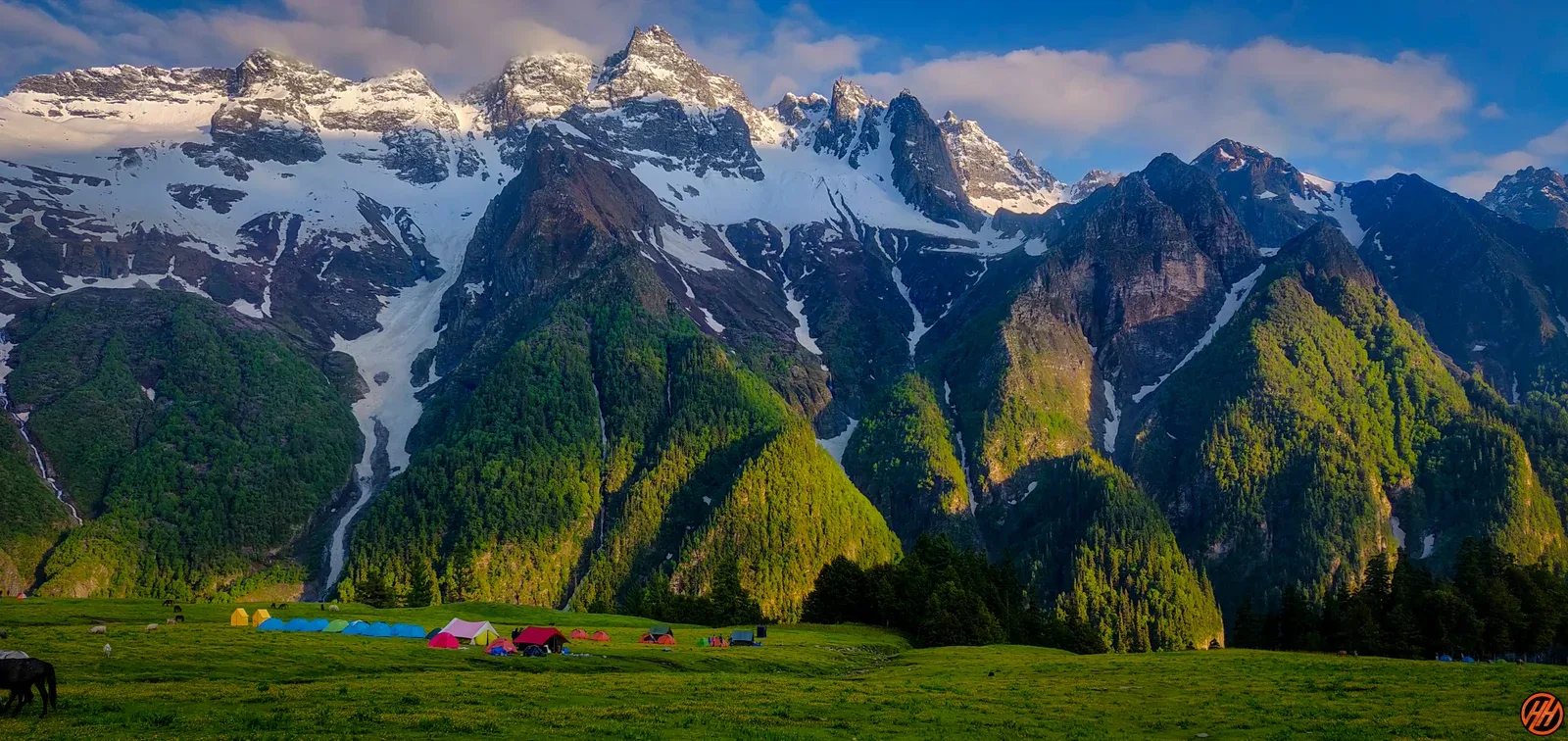
Buran Ghati is a thrilling 15,000 ft pass crossover from the Pabbar valley (Shimla) to the Baspa valley (Kinnaur). The defining experience is the steep snow wall rappel on the pass descent, which requires stable snow conditions found only in early summer (May-June). Post-monsoon (Sept-Oct) offers a different, snow-free experience. The pass is strictly closed in winter and monsoon.
Season at a Glance
Editor's Notes
May to June is ideal for snow enthusiasts, featuring the famous snow wall at the pass.
September to October offers clear skies, stable weather, and lush golden landscapes.
Month by Month
What each month looks like
January
Conditions
Deep winter. The pass is buried under massive amounts of snow.
Crowds
none
Severe winter freeze and blocked high pass.
Closed. Extreme winter conditions.
February
Conditions
Deep winter. The pass is buried under massive amounts of snow.
Crowds
none
Severe winter freeze and blocked high pass.
Closed. Extreme winter conditions.
March
Conditions
Deep snow cover remains. High avalanche risk on the steep approach.
Crowds
none
High avalanche danger.
Early season. Deep snow accumulations.
April
Conditions
Spring melt begins, but the pass is dangerous and slippery with rotting snow.
Crowds
none
Unstable snow conditions.
Early season. Deep snow accumulations.
May
Peak SeasonConditions
The pass opens. This is the prime time for the famous snow-wall rappel on the descent.
Crowds
medium
Prime pre-monsoon window. Good snow stability.
June
Peak SeasonConditions
Peak summer window. Snow is well-consolidated and the meadows are green.
Crowds
high
Prime pre-monsoon window. Good snow stability.
July
Conditions
Monsoon hits Himachal. The steep descent becomes a lethal mud and rockfall trap.
Crowds
none
Severe rockfall and landslide risk in monsoon.
Monsoon danger. Landslides and severe rains.
August
Conditions
Peak monsoon. The trail is washed out and completely unsafe for a pass crossing.
Crowds
none
Severe rockfall and landslide risk in monsoon.
Monsoon danger. Landslides and severe rains.
September
Peak SeasonConditions
The gold standard for autumn. The pass is mostly snow-free, offering a rocky, rugged descent with crystal clear views.
Crowds
high
Crystal clear skies. Best visibility of the year.
October
Peak SeasonConditions
Autumn conditions. The pass may encounter early snowfall. Temperatures drop fast.
Crowds
medium
Crystal clear skies. Best visibility of the year.
November
Conditions
Winter starts. Sub-zero temperatures and high winds make the pass crossing too dangerous.
Crowds
none
Extreme wind chill and early winter storms.
Winter setting in. Sub-zero temperatures rapid.
December
Conditions
The route is fully closed and abandoned for the winter.
Crowds
none
Severe winter freeze and blocked high pass.
Closed. Extreme winter conditions.
Plan Your Trek:
Still deciding?
Compare routes side-by-side to find the perfect match for your fitness, dates, and budget.
Timing makes or breaks a trek. Send this to your group before you decide.
Step 3: Route Intelligence
You've chosen a season.
Now see exactly how the route unfolds day by day, including terrain types and daily altitude profiles.
Explore the Itinerary