
Explore
Intelligence
Season & Weather Guide
Best Time for Binsar Sanctuary Ridge Trek — Month-by-Month Guide
Ideal trail conditions occur during the peak months of September, October, March, April. This window offers maximum peak clarity, comfortable daytime walking temperatures, and exceptionally stable weather patterns, bypassing monsoonal landslide zones.
Seasonal Verdict
When should you go?
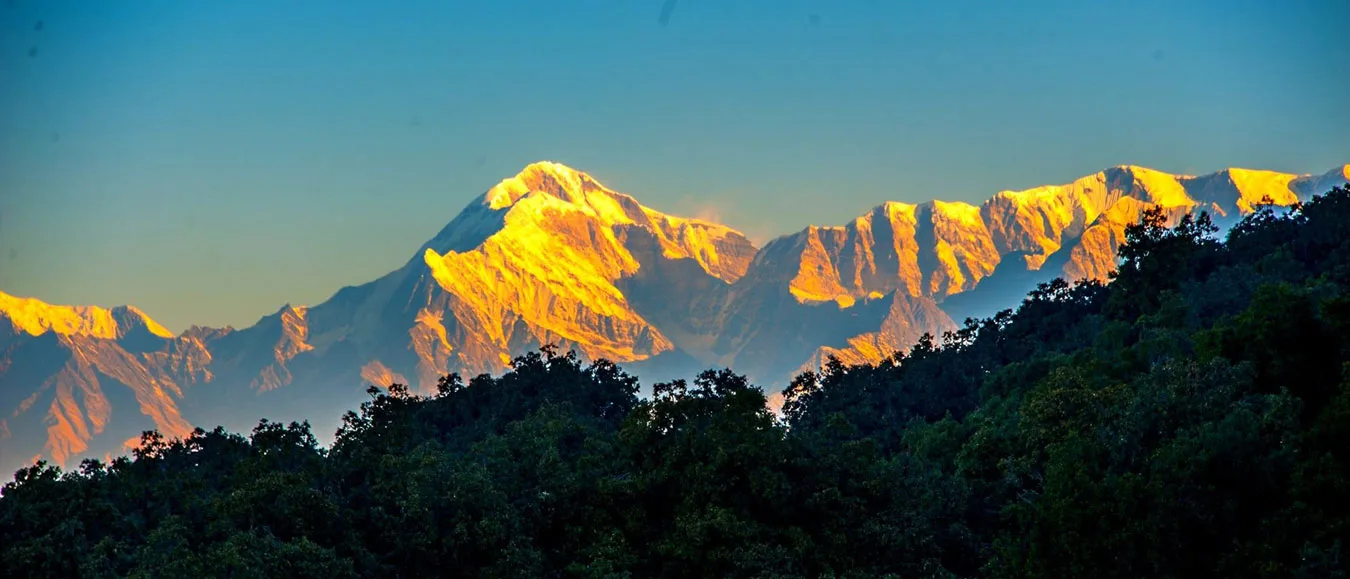
Located in the Kumaon region, the Binsar Wildlife Sanctuary offers a magnificent forest trek culminating at Zero Point, which boasts a 300km panoramic view of Himalayan peaks including Nanda Devi and Trishul. This lower-altitude trek is stunning in Spring for rhododendron blooms and Autumn/Winter for unmatched clarity.
Season at a Glance
Editor's Notes
December mornings are bitterly cold, but the air is completely lacking humidity, rendering the Trishul massif so sharp it looks like a painting.
Month by Month
What each month looks like
January
RecommendedConditions
Peak winter. The air is completely devoid of haze, offering the absolute sharpest views of the Himalayan range. Light snow is possible.
Crowds
low
Closed. Extreme winter conditions.
February
RecommendedConditions
Excellent winter trekking. Crisp air, quiet forests, and pristine mountain views.
Crowds
low
Closed. Extreme winter conditions.
March
Peak SeasonConditions
Spring arrives. The sanctuary bursts into color as the rhododendron forests begin to bloom.
Crowds
medium
Early season. Deep snow accumulations.
April
Peak SeasonConditions
Peak spring. The weather is perfect and the rhododendron bloom is usually at its maximum.
Crowds
high
Early season. Deep snow accumulations.
May
Peak SeasonConditions
Summer. The forest is pleasantly cool compared to the plains, though forest fire smoke or summer haze can occasionally obscure distant peaks.
Crowds
high
Prime pre-monsoon window. Good snow stability.
June
Peak SeasonConditions
Warmest month. Haze is common, but the forest shade provides a great trekking environment.
Crowds
high
Prime pre-monsoon window. Good snow stability.
July
Conditions
Monsoon begins. The dense oak forests become heavily infested with leeches and views are completely clouded out.
Crowds
none
Severe leech infestations and zero visibility.
Monsoon danger. Landslides and severe rains.
August
Conditions
Peak monsoon. Constant rain, muddy trails, and leeches make trekking highly unpleasant.
Crowds
none
Severe leech infestations and zero visibility.
Monsoon danger. Landslides and severe rains.
September
RecommendedConditions
The rains withdraw. The forest is incredibly lush, though early September can still see some showers and leeches.
Crowds
low
Crystal clear skies. Best visibility of the year.
October
Peak SeasonConditions
The gold standard for Kumaon. The monsoon has washed the sky clean, offering spectacular, unobstructed views of the Nanda Devi range.
Crowds
high
Crystal clear skies. Best visibility of the year.
November
Peak SeasonConditions
Crisp autumn air. The deciduous trees drop their leaves, opening up the forest views. Excellent clarity.
Crowds
medium
Winter setting in. Sub-zero temperatures rapid.
December
RecommendedConditions
Winter sets in. Very cold nights, but the daytime views of the snow-capped Himalayas are phenomenal.
Crowds
low
Closed. Extreme winter conditions.
Plan Your Trek:
Still deciding?
Compare routes side-by-side to find the perfect match for your fitness, dates, and budget.
Timing makes or breaks a trek. Send this to your group before you decide.
Step 3: Route Intelligence
You've chosen a season.
Now see exactly how the route unfolds day by day, including terrain types and daily altitude profiles.
Explore the Itinerary