Bhubhu Pass Trek — compare operators and pricing

Compare operators for Bhubhu Pass Trek

Himachal PradeshModerate

Interested in this trek?

We are currently vetting local partners for Bhubhu Pass Trek to ensure the highest safety standards. Be the first to know when it's open for booking.

Are you a local operator?

Join our platform to list your verified packages for Bhubhu Pass Trek and reach thousands of trekkers directly.

Apply to join

Found the right operator? Share this list with whoever's coming with you.

About Bhubhu Pass Trek

4 Days
9,840 FT
Moderate

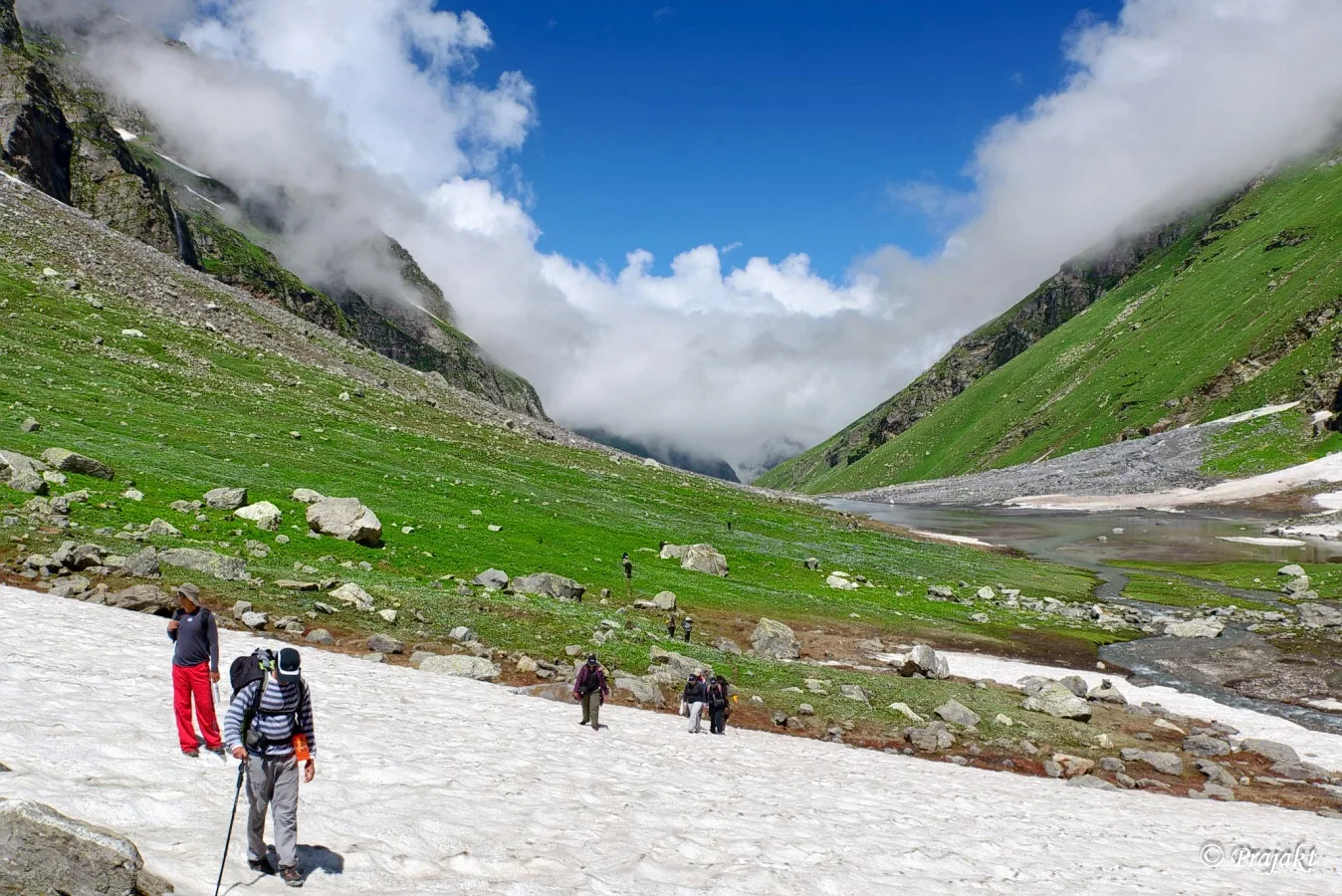
The Bhubhu Pass Trek follows an ancient trade route connecting the Chuhar Valley of Mandi with Kullu's Lagh Valley. Crossing forested ridges at around 9,840 ft, the trek combines cedar forests, traditional villages, and broad views of the Dhauladhar range. Its moderate altitude and historical significance make it an excellent introduction to multi-day Himalayan trekking.

Trek Highlights

Jhingbhan Meadows

Emerging from the dark, dense forest into a bright, open high-altitude pasture.

Bhubhu Pass Summit

The dramatic ridge crossing where the landscape shifts from the Kullu valley to the sweeping Kangra plains.

View Complete Trek Guide

Common Questions

Is the Bhubhu Pass Trek suitable for absolute beginners?
Yes, it is highly suitable for physically fit beginners. The altitude tops out at 9,840 feet, making altitude sickness (AMS) extremely rare, and the daily walking distances are manageable.
Are there leeches on this trail?
If you trek during or immediately after the monsoon (July to early September), the dense forest sections in Lagh Valley will have leeches. Carry salt or tobacco water spray.
Do I need to carry my own tent and food?
There are no tea houses or fixed accommodations on the trail after Dalighat. You must camp. Most trekkers use a local operator who provides tents, sleeping bags, and meals.
How cold does it get at night?
During the peak seasons of May-June and October, nighttime temperatures at Jhingbhan and Dentbhial usually drop to around 5°C to 10°C. A good fleece and a sleeping bag rated for 0°C are sufficient.
Where does the trek actually start and end?
The trek typically starts from Dalighat (near Kullu) in the Lagh Valley and ends at Mulling in the Barot/Kangra Valley side. You cross the mountain range separating the two districts.
Is mobile network available during the trek?
You will have a network at the start (Kullu side) and end (Barot side). During the 2-3 days in the middle (Jhingbhan, Pass crossing), expect a complete dead zone.
Is there snow on the trail?
There is usually no snow from May to November. If you trek in April or early December, you will encounter significant snow near the pass.
What is the historical significance of this pass?
Before modern highways were built, Bhubhu Pass was the primary pedestrian trade and travel route connecting the people of Kullu with the Kangra Valley.
Is the Bhubhu Pass Trek suitable for absolute beginners?
Yes, it is highly suitable for physically fit beginners. The altitude tops out at 9,840 feet, making altitude sickness (AMS) extremely rare, and the daily walking distances are manageable.
Are there leeches on this trail?
If you trek during or immediately after the monsoon (July to early September), the dense forest sections in Lagh Valley will have leeches. Carry salt or tobacco water spray.
Do I need to carry my own tent and food?
There are no tea houses or fixed accommodations on the trail after Dalighat. You must camp. Most trekkers use a local operator who provides tents, sleeping bags, and meals.
How cold does it get at night?
During the peak seasons of May-June and October, nighttime temperatures at Jhingbhan and Dentbhial usually drop to around 5°C to 10°C. A good fleece and a sleeping bag rated for 0°C are sufficient.
Where does the trek actually start and end?
The trek typically starts from Dalighat (near Kullu) in the Lagh Valley and ends at Mulling in the Barot/Kangra Valley side. You cross the mountain range separating the two districts.
Is mobile network available during the trek?
You will have a network at the start (Kullu side) and end (Barot side). During the 2-3 days in the middle (Jhingbhan, Pass crossing), expect a complete dead zone.
Is there snow on the trail?
There is usually no snow from May to November. If you trek in April or early December, you will encounter significant snow near the pass.
What is the historical significance of this pass?
Before modern highways were built, Bhubhu Pass was the primary pedestrian trade and travel route connecting the people of Kullu with the Kangra Valley.

Are you a local operator?

Join our platform to list your verified packages for this trek.

Apply to join
MountRoutes Dispatch

Planning Bhubhu Pass Trek?

Get route conditions, operator updates, and season windows before booking.

Don't miss out! Follow us for route updates@mountroutes|LinkedIn

No spam. Only useful trek updates.

Explore Collections

Not sure where to go next?

View all