
Complete Guide
Badrinath Yatra — Complete Guide
Introduction
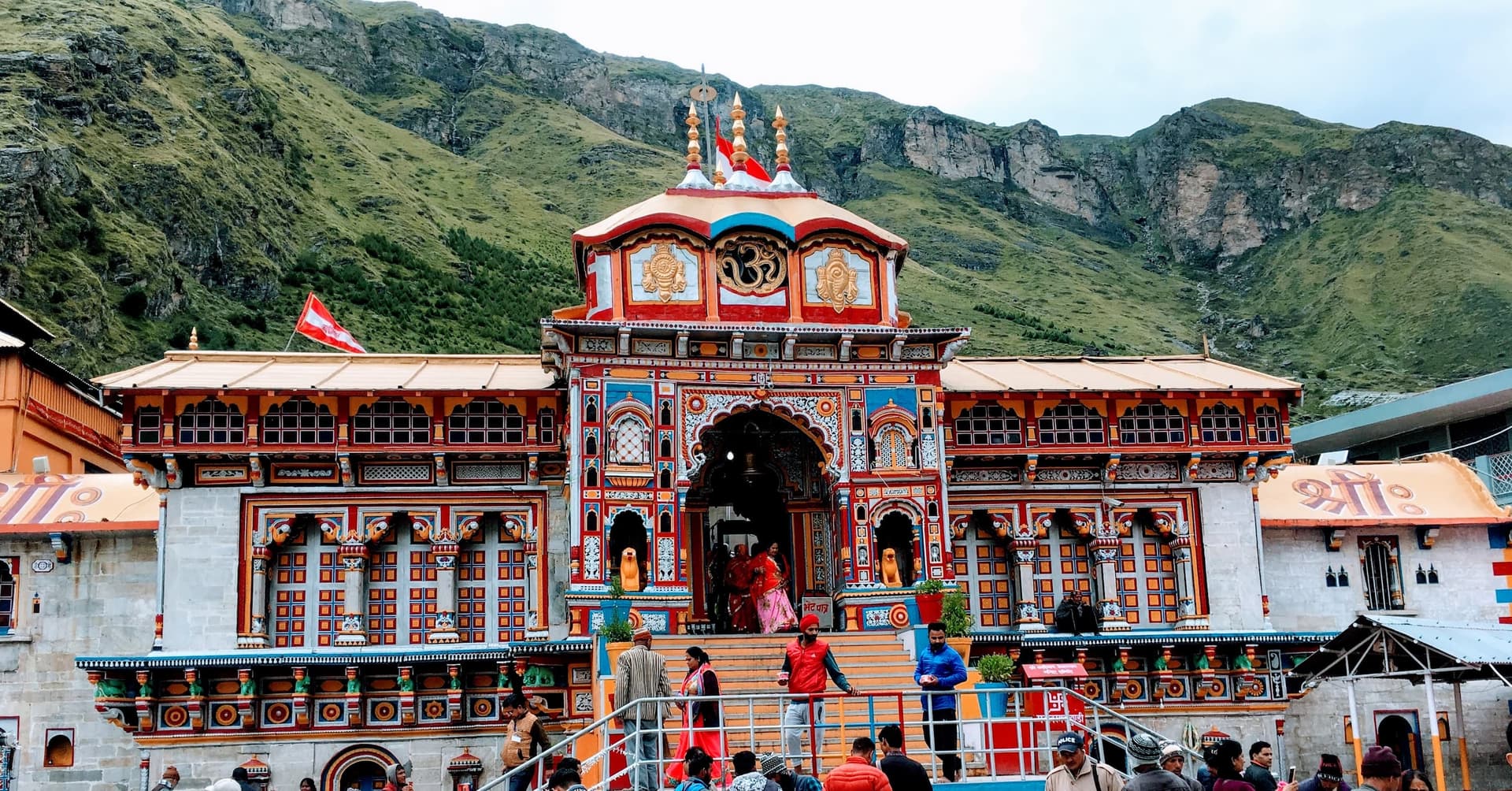
Badrinath temple opens each year in late April or early May and closes in November. The shrine sits at 3,133 m — accessible by all-weather road, but the approach is weather-sensitive. Shoulder months of May and September–October offer the best combination of clear skies, stable roads, and manageable crowds. Monsoon months should be avoided due to landslide risk on the Chamoli–Badrinath highway.
A comfortable and accessible journey to the abode of Lord Vishnu.
Quick Facts
Duration
4 Days
Max Altitude
10,279 ft
Difficulty
easy
Best Time
Seasonal
Trek Distance
1607 km
Don't miss this
Key point
Badrinath is the most accessible Char Dham — the road goes directly to the temple and the walk from parking is under 200 metres. But altitude at 3,133 m is real. One night at Joshimath before ascending is not optional for pilgrims from the plains.
Tip
Mana Village is 3 km from the temple and takes 2 hours. Most pilgrims skip it to save time and regret it. Build it into Day 3 before darshan, not after.
Explore In Detail
Best Time to Visit
Badrinath Yatra runs seasonally. Trail conditions vary significantly by month.
→ See month-by-month season guideDay by Day Itinerary
4-day route reaching 10,279ft. Covers 1607km of varied terrain.
→ See full itinerary with altitude profileDifficulty & Fitness
Rated easy. Terrain and fitness requirements vary by season.
→ See difficulty breakdown and fitness guideCost & Pricing
Packages range from ₹6,000–₹40,000 per person for a 4-day package; highly dependent on transport type, accommodation standard, and group size. Inclusions and hidden costs vary by operator tier.
→ See full cost breakdownPermits and Regulations
Please ensure you have all mandatory biometric registrations and permits before starting your journey.
Learn more about how we vet operators and ensure transparency on our why MountRoutes page.
Packing List
Stay & Spiritual
- Light shawl or stole (decorum for entering the main shrine)
- Cotton towels and a change of clothes for the Hot Spring (Tapt Kund) dip
- Comfortable walking shoes for exploring Mana Village trails
- Small plastic bags to keep temple flowers/offerings safe
- Insulated water bottle (keep your tea/water warm during the drive)
Protection & Health
- Heavy jacket (Badrinath is on the banks of a river with cold winds)
- UV protective sunglasses (snow glare from Neelkanth Peak is strong)
- Digestive aids and motion sickness tablets for the winding roads
- Hand sanitizer and N95 masks for crowded darshan queues
- Moisturizing cream and lip protector
Frequently Asked Questions
How far is Badrinath from the nearest airport?
The nearest airport is Jolly Grant in Dehradun, which is about 310km (roughly a 10–11 hour drive) away. Most international and domestic travelers use this airport to save time compared to flying to Delhi.
Is Badrinath safe for travelers with small children?
Yes, Badrinath is very family-friendly because there is no trekking involved. Facilities like decent hotels, local markets, and medical clinics are readily available near the temple.
What is the unique significance of Mana village?
Mana is the 'Last Indian Village' before the Tibetan border. It is home to Vyas Gufa (where the Mahabharata was written) and the start point for several stunning short hikes like Vasudhara Falls.
What time is the Badrinath temple open for Darshan?
The temple generally opens at 4:30 AM for morning rituals and closes at 9:00 PM. Note that there is a short afternoon closure for cleaning and rituals, usually between 1:00 PM and 4:00 PM.
Can I perform 'Pinda Daan' at Badrinath?
Yes, 'Brahm Kapal' on the banks of the Alaknanda at Badrinath is considered the most sacred spot in the world for performing last rites (Shradh) and Pinda Daan for ancestors.
Is the road to Badrinath motorable for heavy vehicles like buses?
Yes, the Badrinath highway is a part of the 'All-Weather Road' project. Large Volvo buses and 27-seater coaches navigate these roads daily, making it suitable for large wedding or community groups.
What is the significance of the Hot Springs (Tapt Kund)?
Tapt Kund contains natural sulfur water with medicinal properties. Pilgrims take a dip here before darshan for physical and spiritual purification. There are separate sections for men and women.
What should I pack for Badrinath in the month of May?
Even in May, Badrinath is cold. Pack layered clothing (T-shirts + sweaters + heavy jacket), sunblock (UV rays are strong at high altitude), and comfortable walking shoes for Mana village.
Is WiFi available in Badrinath hotels?
Some premium hotels offer WiFi, but it can be erratic. We recommend carrying a personal 4G hotspot if you need to work remotely, though mobile 4G is generally reliable for basic tasks.
What is the best way to avoid traffic jams on the way to Badrinath?
Start your road journey very early (5:00 AM) each day. This helps you cross critical bottleneck zones like Joshimath and Vishnuprayag before the heavy tourist buses begin their travel.
Other Trek Guides
Everything you need to know, in one place. Someone else in your group needs to see this.
Planning Badrinath Yatra?
Get route conditions, operator updates, and season windows before booking.
No spam. Only useful updates.
Compare operator packages for Badrinath Yatra
We vet every operator for safety and transparency. Compare verified rankings now.
View Operators Rankings