
Explore
Intelligence
Difficulty & Readiness Guide
Is Ranglana Peak Expedition Difficult? — Fitness & Altitude Guide
The Question
Can I do this trip?
Preparation Required
Advanced
Prior Experience
Required: At least 2-3 moderate Himalayan treks (above 13,000ft).
Expert Verdict
Highly technical peak requiring physical and mental preparation.
Expedition Grading Context
The 71/100 score reflects the physical endurance required for this expedition, which can be deceptive. While some 10-day treks score higher due to their length, this is a technical mountaineering peak that requires specialized skills.
Ranglana Peak Expedition
Himalayan Placement · Index 71Route Knowledge
Why is it difficult?
Exertion Index
Primary Challenge
Route Identity
Long-duration high-altitude approach through glacial valleys and moraine terrain.
Primary Drivers
- Maximum sleeping altitude of 16,500 ft
- Grueling summit push with 1,722 ft of elevation gain
- 3 consecutive high-output trekking days
- Peak daily distance of 15 km
View Full Route Analysis
Physiological Demand
Complex, dangerous terrain requiring technical skills, scrambling, and navigating high-consequence exposure zones.
Extreme high altitude exposure. Severe oxygen depletion requires careful acclimatization and peak cardiovascular health.
Challenging daily distances and steady climbs. Good cardiovascular fitness is required.
Rolling or gradual terrain with minimal harsh impact on joints.
Comfortable pacing with good recovery options.
Terrain Breakdown
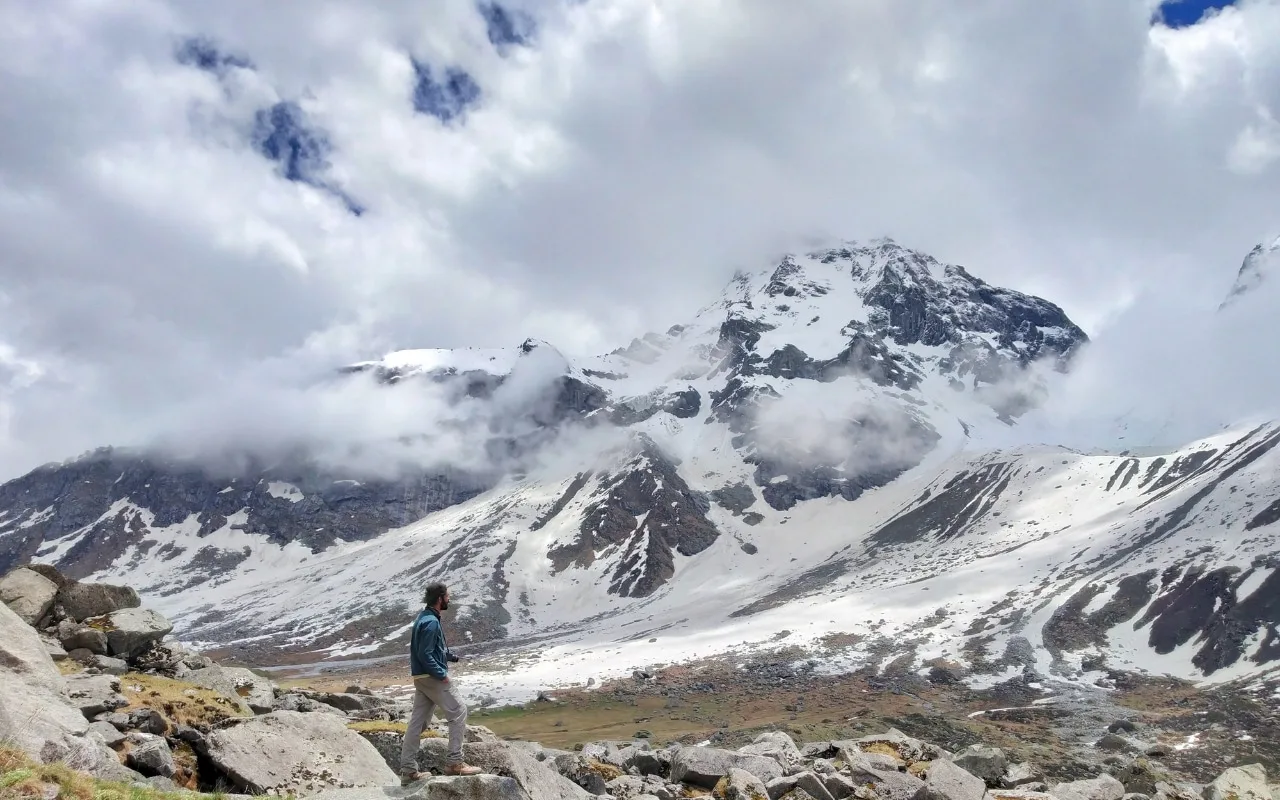
Ranglana Peak Expedition features a dynamic landscape. Expect varying altitudes reaching up to 18222 ft.
Altitude Profile
You will be ascending from an base altitude of null ft to 18222 ft.
Run AMS Risk Audit →Personal Readiness
Am I ready?
What this route demands
People who feel comfortable on this expedition can usually:
Hazard Profile
What goes wrong?
Safety & Medical Risks
Key Risks
Crevasse falls on the glacier
Avalanches on the approach to Camp 1
HACE and HAPE above 15,000 ft
Rockfall on the final summit ridge
AMS (Altitude Sickness)
Extremely high risk. The expedition profile involves 'climb high, sleep low' load ferrying specifically to manage this.
Evacuation Route
Ground evacuation only. Injured climbers must be lowered via stretcher down the glacier to Base Camp, and then carried by porters all the way to Jakhol.
Auditability
How is this calculated?
Understand This Route Further
Before attempting this route:
Still deciding?
Compare routes side-by-side to find the perfect match for your fitness, dates, and budget.
Still think it's doable? Share this with your trek mate and see if they agree.
Step 2: Seasonal Safety
You know how demanding this route is.
Now find the safest and most reliable season to attempt it.
Check Best Time to Go