We are currently vetting local partners for Kanamo Peak Expedition to ensure the highest safety standards. Be the first to know when it's open for booking.
Are you a local operator?
Join our platform to list your verified packages for Kanamo Peak Expedition and reach thousands of climbers directly.
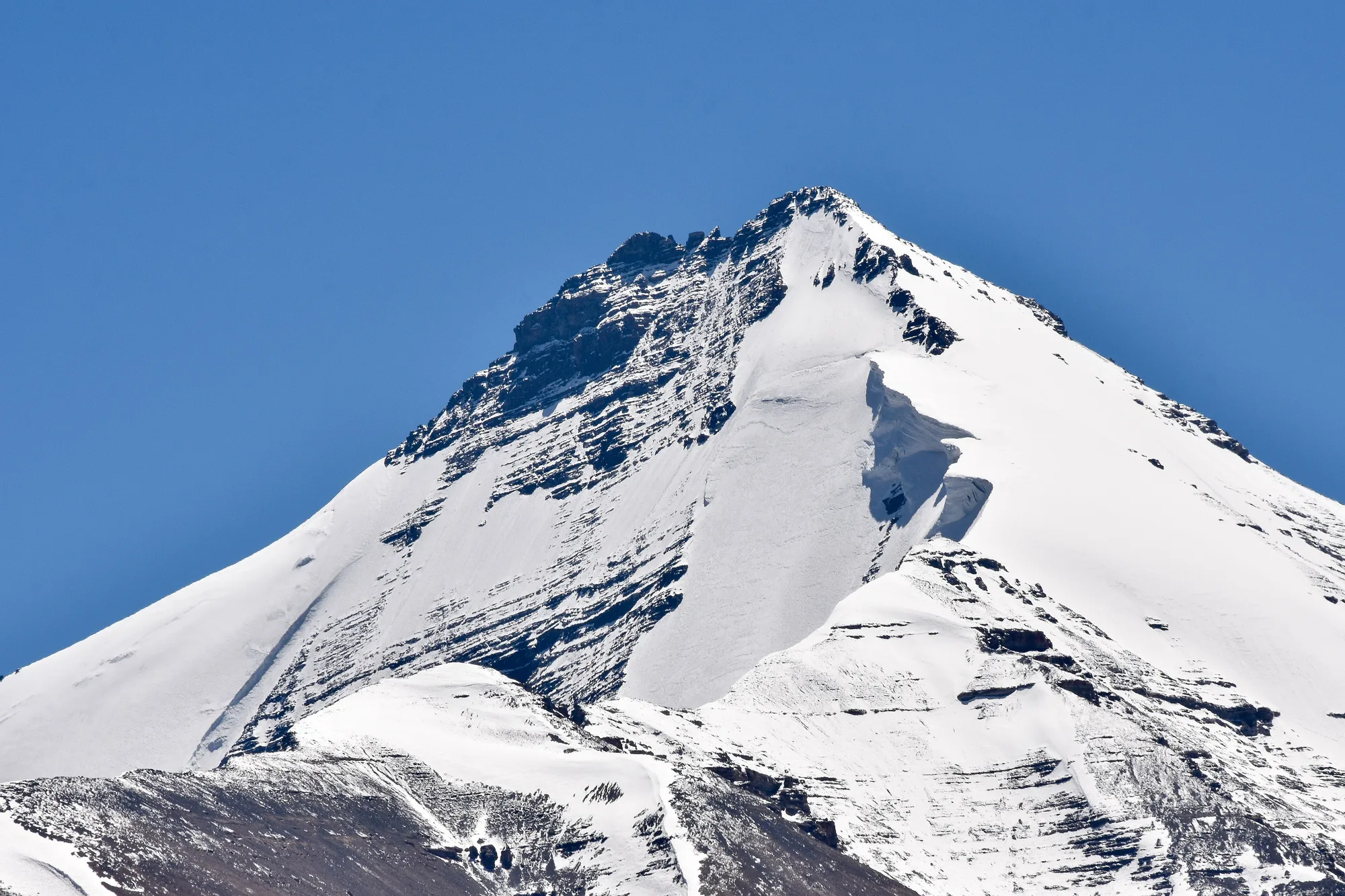
The Kanamo Peak Expedition is one of India's most accessible high-altitude summit climbs, offering an outstanding first experience above 5,900 meters in the cold desert of Spiti.
Expedition Highlights
Kibber Village Sunrise
The white houses of Kibber catching the first alpine glow with Kanamo rising behind.
Kanamo Summit
360-degree panorama of Tibet, Ladakh, Pin Valley, and the Spiti River far below.
Upper Scree Bowl at Dusk
The vast, alien rock bowl just below the summit ridge, bathed in golden Himalayan light.
No. Kanamo is classified as a 'non-technical trekking peak'. You can summit with sturdy waterproof boots and trekking poles. Micro-spikes are strongly recommended for the final snow ridge in early season.
Do I need an IMF permit?
Kanamo does not require a formal IMF peak permit. However, a local trekking permit from the Kaza Sub-Divisional Magistrate (SDM) and registration at the Kibber police post are mandatory.
How high is the summit?
Kanamo summit stands at 5,974 meters or approximately 19,600 feet — just 26 meters below the 6,000m mark.
Do I need prior mountaineering experience?
Not technical mountaineering, but prior high-altitude trekking experience above 14,000 ft (e.g., Hampta Pass or Buran Ghati) is strongly recommended.
Why must I acclimatize in Kaza first?
Kaza sits at 12,500 ft. The jump from Manali (6,700 ft) to Kaza in a single drive is already a massive altitude gain. Spending 2 nights here lets your body build red blood cells before ascending to Kibber and Base Camp.
Can I see Tibet from the summit?
Yes. On clear days, you can see the Tibetan Plateau's flat expanse, the Changthang ranges, and the Losar valley in the east.
What is the base camp altitude?
The standard Kanamo Base Camp is set at approximately 15,800 ft (4,815 m), reached after a 5-6 hour trek from Kibber.
Is water available at Base Camp?
A seasonal glacial stream runs near Kanamo Base Camp from June to September. In late September, teams may need to melt snow. Always carry filtration tablets.
How long is the summit push?
The summit push typically starts at 3–4 AM and takes 6–8 hours to reach the top, followed by a 4–5 hour descent back to Base Camp or Kibber.
What peaks are visible from the top?
The panorama includes Chao Chao Kang Nilda, Shilla Peak, the Kinner Kailash range, the Losar valley glaciers, and the far brown ridgelines of the Tibetan Plateau.
Is a porter/mule available?
Porters are available from Kibber village. Mules can carry loads up to the base camp approach but cannot access the final rocky ascent.
What is the summit success rate?
Approximately 70–80% for well-acclimatized teams. The primary reasons for turning back are AMS symptoms and severe afternoon wind-chill.
Is Kanamo a technical peak?
No. Kanamo is classified as a 'non-technical trekking peak'. You can summit with sturdy waterproof boots and trekking poles. Micro-spikes are strongly recommended for the final snow ridge in early season.
Do I need an IMF permit?
Kanamo does not require a formal IMF peak permit. However, a local trekking permit from the Kaza Sub-Divisional Magistrate (SDM) and registration at the Kibber police post are mandatory.
How high is the summit?
Kanamo summit stands at 5,974 meters or approximately 19,600 feet — just 26 meters below the 6,000m mark.
Do I need prior mountaineering experience?
Not technical mountaineering, but prior high-altitude trekking experience above 14,000 ft (e.g., Hampta Pass or Buran Ghati) is strongly recommended.
Why must I acclimatize in Kaza first?
Kaza sits at 12,500 ft. The jump from Manali (6,700 ft) to Kaza in a single drive is already a massive altitude gain. Spending 2 nights here lets your body build red blood cells before ascending to Kibber and Base Camp.
Can I see Tibet from the summit?
Yes. On clear days, you can see the Tibetan Plateau's flat expanse, the Changthang ranges, and the Losar valley in the east.
What is the base camp altitude?
The standard Kanamo Base Camp is set at approximately 15,800 ft (4,815 m), reached after a 5-6 hour trek from Kibber.
Is water available at Base Camp?
A seasonal glacial stream runs near Kanamo Base Camp from June to September. In late September, teams may need to melt snow. Always carry filtration tablets.
How long is the summit push?
The summit push typically starts at 3–4 AM and takes 6–8 hours to reach the top, followed by a 4–5 hour descent back to Base Camp or Kibber.
What peaks are visible from the top?
The panorama includes Chao Chao Kang Nilda, Shilla Peak, the Kinner Kailash range, the Losar valley glaciers, and the far brown ridgelines of the Tibetan Plateau.
Is a porter/mule available?
Porters are available from Kibber village. Mules can carry loads up to the base camp approach but cannot access the final rocky ascent.
What is the summit success rate?
Approximately 70–80% for well-acclimatized teams. The primary reasons for turning back are AMS symptoms and severe afternoon wind-chill.
Are you a local operator?
Join our platform to list your verified packages for this expedition.