MountRoutes
Tirthan Valley Trek — compare operators and pricing

Compare operators for Tirthan Valley Trek

Himachal Pradeshmoderate

Interested in this trek?

We are currently vetting local partners for Tirthan Valley Trek to ensure the highest safety standards. Be the first to know when it's open for booking.

Are you a local operator?

Join our platform to list your verified packages for Tirthan Valley Trek and reach thousands of trekkers directly.

Apply to join

Found the right operator? Share this list with whoever's coming with you.

About Tirthan Valley Trek

4 Days
11,000 FT
moderate

Explore the UNESCO World Heritage site, GHNP, through the Tirthan valley gateway. This trek is a deep-dive into India's richest high-altitude biodiversity, offering chances to spot the Western Tragopan and the elusive Snow Leopard. The trail follows the Tirthan river and ascends into pristine, roadless alpine zones.

Trek Highlights

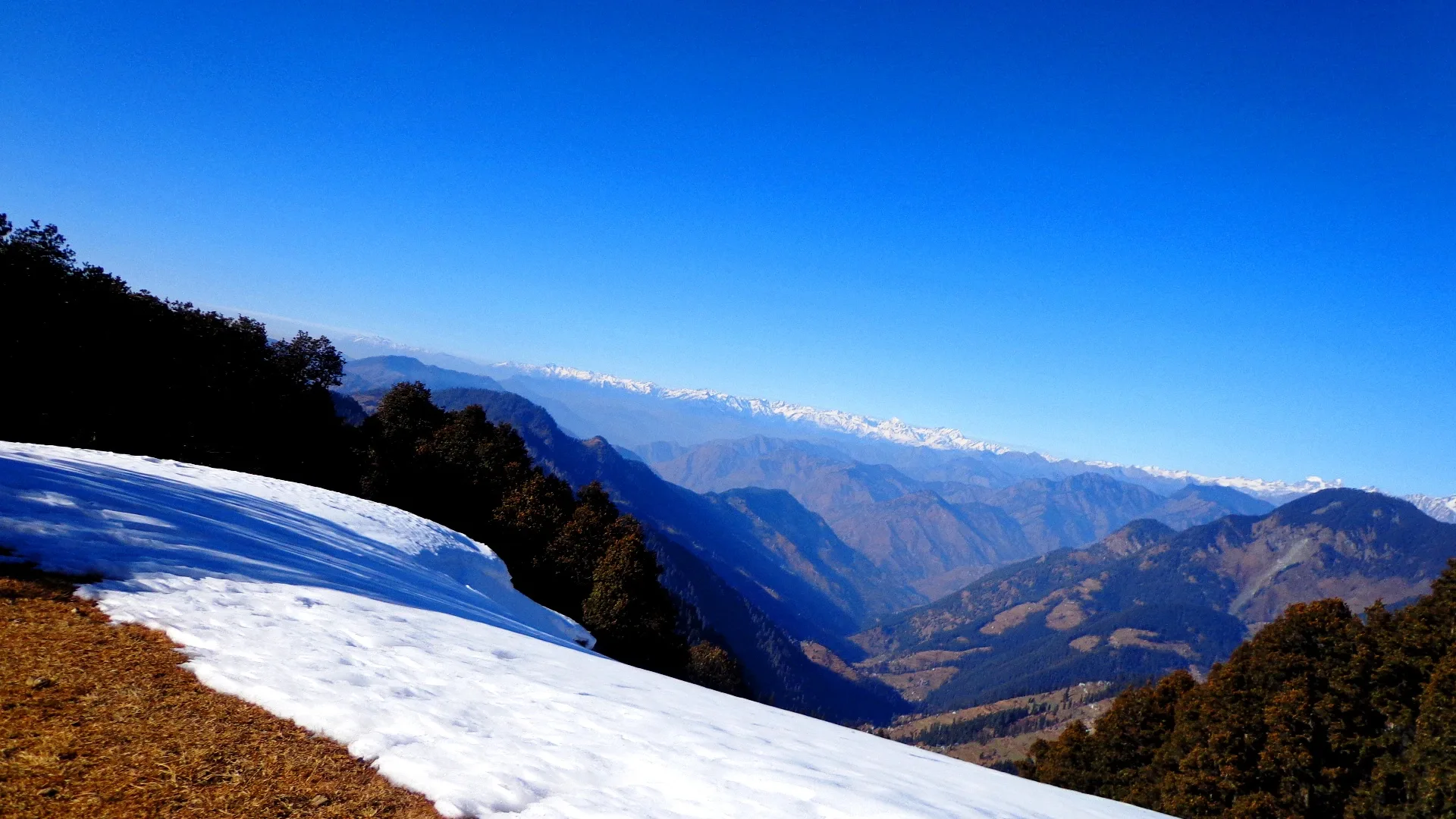
Shilt Hut Ridge

Looking directly at the massive, impassable snowy peaks of the GHNP internal sanctuary.

View Complete Trek Guide

Common Questions

Will I definitely see a Snow Leopard?
If you trek in summer or monsoon, chances are absolute zero. In deep winter (Feb/March), if you camp at high altitudes in extreme conditions, you have a 10% chance.
Can I trek this without a local guide?
Absolutely NOT. The forest department strictly prohibits entering the core zone without a registered GHNP guide. The trails are deliberately kept unpaved to deter poachers.
What is the best time to do the GHNP Tirthan Trek?
The best time is from March to June for blooming flora and pleasant weather, and September to November for clear skies and autumn colors. July and August should be avoided due to heavy monsoon rains.
Do I need a permit to enter the Great Himalayan National Park?
Yes, permits are mandatory to enter the GHNP core zone. You can obtain them at the park gate at Sai Ropa or Rolla. The cost varies for Indian nationals and foreigners.
Are there any homestays inside the GHNP core zone?
No, there are no permanent settlements or homestays inside the core zone of the park. You must carry tents, sleeping bags, and camping equipment. Homestays are only available outside the park gate in villages like Gushaini.
Is the Tirthan Valley trek safe for beginners?
Yes! The hike from Gushaini to Rolla is relatively flat and extremely well-marked, making it perfect for beginners, families, and nature enthusiasts.
Can we spot wildlife on this trek?
Yes, GHNP is a UNESCO World Heritage site known for its rich biodiversity. Trekkers often spot the Himalayan Thar, Monal pheasant, and Brown Bears, though spotting the elusive Snow Leopard is rare.
Is drinking water easily available on the trail?
Yes, the trail runs parallel to the Tirthan River and several fresh mountain streams. However, it is highly recommended to carry a water filter or purification tablets.
How cold does it get at night?
During spring and autumn, daytime temperatures hover around 15°C to 20°C, but night temperatures at campsites like Rolla or Shilt Hut can drop to 0°C to 5°C. Carry good thermal layers.
Are campfires allowed inside the National Park?
No, campfires are strictly prohibited inside the Great Himalayan National Park to protect the fragile ecosystem and prevent forest fires. You must cook using portable camping stoves.
Will I definitely see a Snow Leopard?
If you trek in summer or monsoon, chances are absolute zero. In deep winter (Feb/March), if you camp at high altitudes in extreme conditions, you have a 10% chance.
Can I trek this without a local guide?
Absolutely NOT. The forest department strictly prohibits entering the core zone without a registered GHNP guide. The trails are deliberately kept unpaved to deter poachers.
What is the best time to do the GHNP Tirthan Trek?
The best time is from March to June for blooming flora and pleasant weather, and September to November for clear skies and autumn colors. July and August should be avoided due to heavy monsoon rains.
Do I need a permit to enter the Great Himalayan National Park?
Yes, permits are mandatory to enter the GHNP core zone. You can obtain them at the park gate at Sai Ropa or Rolla. The cost varies for Indian nationals and foreigners.
Are there any homestays inside the GHNP core zone?
No, there are no permanent settlements or homestays inside the core zone of the park. You must carry tents, sleeping bags, and camping equipment. Homestays are only available outside the park gate in villages like Gushaini.
Is the Tirthan Valley trek safe for beginners?
Yes! The hike from Gushaini to Rolla is relatively flat and extremely well-marked, making it perfect for beginners, families, and nature enthusiasts.
Can we spot wildlife on this trek?
Yes, GHNP is a UNESCO World Heritage site known for its rich biodiversity. Trekkers often spot the Himalayan Thar, Monal pheasant, and Brown Bears, though spotting the elusive Snow Leopard is rare.
Is drinking water easily available on the trail?
Yes, the trail runs parallel to the Tirthan River and several fresh mountain streams. However, it is highly recommended to carry a water filter or purification tablets.
How cold does it get at night?
During spring and autumn, daytime temperatures hover around 15°C to 20°C, but night temperatures at campsites like Rolla or Shilt Hut can drop to 0°C to 5°C. Carry good thermal layers.
Are campfires allowed inside the National Park?
No, campfires are strictly prohibited inside the Great Himalayan National Park to protect the fragile ecosystem and prevent forest fires. You must cook using portable camping stoves.

Are you a local operator?

Join our platform to list your verified packages for this trek.

Apply to join

Planning Tirthan Valley Trek?

Get route conditions, operator updates, and season windows before booking.

Don't miss out! Follow us for route updates@mountroutes

No spam. Only useful trek updates.