We are currently vetting local partners for Rumtse Tso Moriri Trek to ensure the highest safety standards. Be the first to know when it's open for booking.
Are you a local operator?
Join our platform to list your verified packages for Rumtse Tso Moriri Trek and reach thousands of trekkers directly.
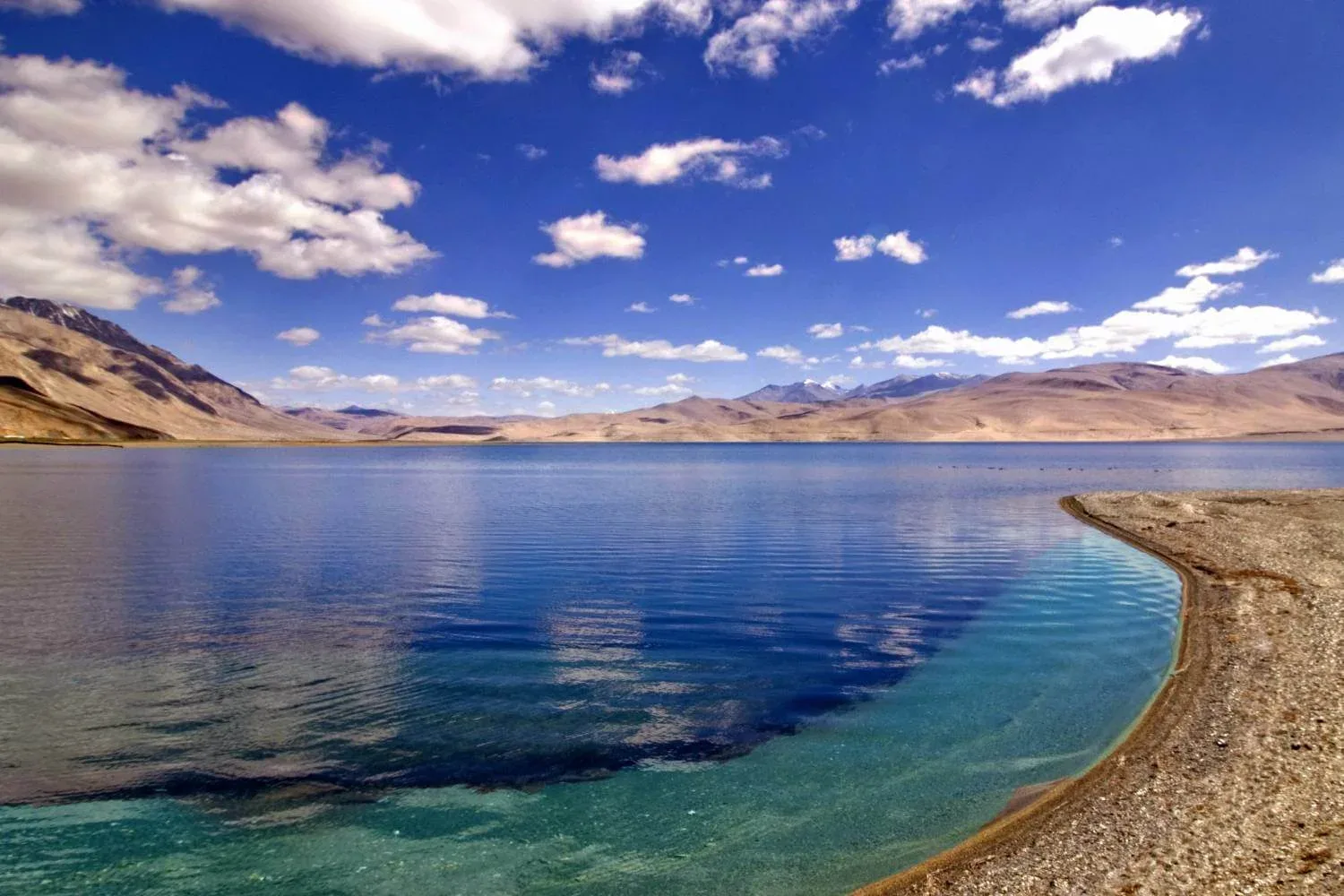
The Rupshu Trek, commonly undertaken as the Rumtse to Tso Moriri traverse, is a classic high-altitude expedition across Ladakh's Changthang Plateau. Crossing multiple passes above 16,000 ft, the route journeys through vast cold-desert landscapes, remote Changpa grazing grounds, and the spectacular lakes of Tso Kar and Tso Moriri, making it one of India's finest trans-Himalayan treks.
Trek Highlights
Tso Kar Salt Flats
Vast, brilliant white salt flats bordering a pristine blue lake, surrounded by barren mountains.
Yalung Nyau La Viewpoint
A 17,847 ft vantage point offering the first sweeping view of Tso Moriri lake against the Tibetan plateau.
It is rated as Hard to Challenging. While there is no technical rock or ice climbing, the sheer physical toll of crossing seven passes over 16,400 ft (5,000 m) in rapid succession is immense. You are sleeping above 14,500 ft every single night.
Is acclimatization in Leh mandatory?
Absolutely critical. Leh is at 11,500 ft. You must spend a minimum of three to four full days in Leh resting, hydrating, and doing light local walks before driving to the trailhead at Rumtse to prevent severe Acute Mountain Sickness (AMS).
Are there river crossings on this route?
Yes, many. The Changthang plateau is crisscrossed by glacial melt streams. You will have to wade through freezing, knee-deep water on several days. River crossing sandals are mandatory.
Is this a teahouse trek?
No. It is a pure wilderness camping expedition. Aside from the occasional Changpa nomad camp, there are no permanent settlements between Rumtse and Korzok (Tso Moriri). You must be fully self-sufficient with an expedition crew.
Is there mobile connectivity?
No. You will lose signal shortly after leaving Leh. There is zero connectivity on the Changthang plateau until you reach Korzok at Tso Moriri, where BSNL may have a weak, intermittent signal.
What kind of wildlife can I expect to see?
The Changthang wildlife sanctuary is rich in high-altitude fauna. You are likely to see Kiang (Tibetan wild ass), Himalayan marmots, Blue Sheep (Bharal), and rare birds like the Bar-headed Goose and Black-necked Crane near the lakes.
Do I need special mountaineering gear?
During the peak summer months (July/August), standard high-quality trekking gear is sufficient. No ropes or crampons are needed, but trekking poles are essential for the loose scree on the passes.
How cold does it get at night?
Even in the middle of summer, nighttime temperatures at camps like Tisaling and Gyamalpari regularly drop to -5°C to -10°C due to the extreme altitude and open plateau winds.
How difficult is the Rumtse to Tso Moriri Trek?
It is rated as Hard to Challenging. While there is no technical rock or ice climbing, the sheer physical toll of crossing seven passes over 16,400 ft (5,000 m) in rapid succession is immense. You are sleeping above 14,500 ft every single night.
Is acclimatization in Leh mandatory?
Absolutely critical. Leh is at 11,500 ft. You must spend a minimum of three to four full days in Leh resting, hydrating, and doing light local walks before driving to the trailhead at Rumtse to prevent severe Acute Mountain Sickness (AMS).
Are there river crossings on this route?
Yes, many. The Changthang plateau is crisscrossed by glacial melt streams. You will have to wade through freezing, knee-deep water on several days. River crossing sandals are mandatory.
Is this a teahouse trek?
No. It is a pure wilderness camping expedition. Aside from the occasional Changpa nomad camp, there are no permanent settlements between Rumtse and Korzok (Tso Moriri). You must be fully self-sufficient with an expedition crew.
Is there mobile connectivity?
No. You will lose signal shortly after leaving Leh. There is zero connectivity on the Changthang plateau until you reach Korzok at Tso Moriri, where BSNL may have a weak, intermittent signal.
What kind of wildlife can I expect to see?
The Changthang wildlife sanctuary is rich in high-altitude fauna. You are likely to see Kiang (Tibetan wild ass), Himalayan marmots, Blue Sheep (Bharal), and rare birds like the Bar-headed Goose and Black-necked Crane near the lakes.
Do I need special mountaineering gear?
During the peak summer months (July/August), standard high-quality trekking gear is sufficient. No ropes or crampons are needed, but trekking poles are essential for the loose scree on the passes.
How cold does it get at night?
Even in the middle of summer, nighttime temperatures at camps like Tisaling and Gyamalpari regularly drop to -5°C to -10°C due to the extreme altitude and open plateau winds.
Are you a local operator?
Join our platform to list your verified packages for this trek.