
Explore
Intelligence
Essential Planning Guide
Rani Sui Lake Trek — Complete Guide (2026)
Vibe & Scenery
The Experience
Introduction
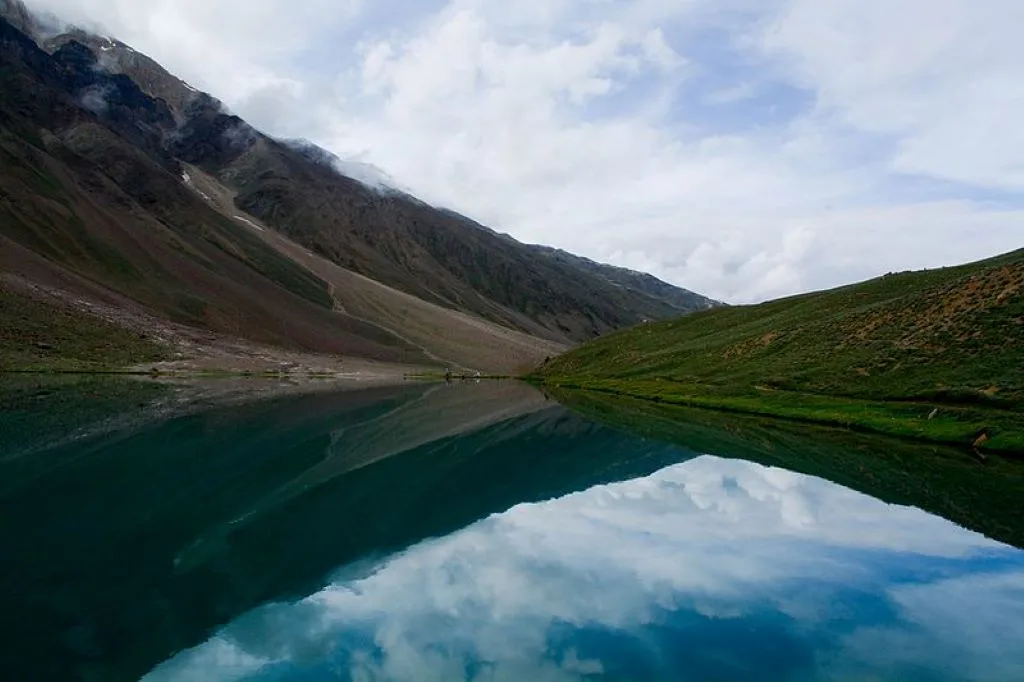
Hidden above Old Manali, Rani Sui Lake offers a quieter alternative to the region's better-known trekking routes. The trail climbs steadily through deodar forests before reaching the alpine meadows of Lamadugh and Riyali Thach, eventually arriving at the small glacial lake beneath open mountain ridges.
Along the way, trekkers enjoy expansive views across the Pir Panjal and Dhauladhar ranges while experiencing a landscape that changes rapidly from dense forest to alpine grasslands.
Moderate distances, rewarding scenery, and relatively limited crowds make Rani Sui an excellent weekend trek for hikers looking beyond the region's more popular destinations.
Quick Facts
Duration
Max Altitude
Difficulty
Best Time
Trek Distance
Trail Atmosphere
Stargazing
Class 2 Dark Sky
Scent Profile
Silence Level
~25 dB
Vertigo Factor
2 / 10
Iconic Spots
Lamadugh Meadow
Rani Sui Lake
Khanpari Tibba Ridge
Environment
Nature & Culture
Flora & Fauna
Flora
Fauna
The meadows of Lamadugh and Riyali Thach have been the traditional summer grazing grounds for the pastoral communities of the Kullu valley for centuries.
— Local folklore
Spiritual & Cultural Significance
The trek begins at the Hadimba Temple, an ancient wooden shrine dedicated to the wife of Bhima from the Mahabharata.
🕐 Shrine Timings: Hadimba Temple: 8 AM - 6 PM
Temple Protocols
- •Remove shoes before entering the Hadimba Temple premises.
Technical Details
Challenge & Preparation
Primarily a cardio demand and joint & muscle impact challenge
A capable trekker's route that balances cardio demand and joint & muscle impact.
Personal Readiness
Am I ready?
Planning
Logistics & Trail Intel
Getting There
Route to Base
Take an overnight Volvo bus from Delhi or Chandigarh directly to Manali, or fly into Bhuntar Airport (Kullu) and drive 2 hours north
Base Village
Manali (Old Manali)
6,700 ft
Last ATM
Manali
Nearest Medical Facility
Mission Hospital or Civil Hospital, Manali.
Mobile Signal
Total blackout after Lamadugh.
Water Sources
Mountain streams are available near the campsites. Water must be purified.
Charging
Total blackout on the trail. Last charge is at your hotel in Manali.
For Drivers
Road Condition
The Volvo bus from Delhi to Manali is very comfortable, utilizing the newly built 4-lane highways.
Manali
Trail Culinary & Diet
Don't miss the Siddu and local Rajma in Manali
Buy specialized diet items at Manali
The Content & Remote Hub
Top Vlog Spots
Video Calls
base_village_only
Est. 15 Mbps
UPI Reliability
4/10
Base WiFi Available
Permits and Regulations
A standard forest entry permit is required by the Himachal Pradesh Forest Department, usually obtainable at the checkpoint near the Hadimba Temple or arranged in advance by your trekking operator.
Learn more about how we vet operators and ensure transparency on our why MountRoutes page.
Packing List
Core Clothing Layers
- Fleece jacket or thick woolen sweater
- Waterproof/Windproof Gore-Tex outer shell
- Quick-dry trekking pants (x2)
- Thermal base layers (for chilly nights at Lamadugh)
- Moisture-wicking t-shirts (long and short sleeve)
Footwear & Protection
- Sturdy, waterproof trekking boots (ankle support is crucial)
- Merino wool socks (x3 pairs)
- Camp sandals or lightweight sneakers
- Waterproof gaiters (if trekking in May or post-monsoon)
Head & Hands
- Wide-brimmed sun hat or baseball cap
- UV protection sunglasses (Category 3 or 4)
- Lightweight fleece gloves
- Warm woolen beanie or balaclava
Gear & Accessories
- 40-50 litre backpack with a waterproof rain cover
- Trekking poles (essential for the steep descent to Manali)
- Three-season sleeping bag (-5°C comfort)
- Basic first aid kit with blister tape and Diamox
- Headlamp with spare batteries
Deep Dives
Explore Further
Editor's Notes
Explore In Detail
Day by Day Itinerary
3-day route reaching 12,500ft. Covers 28.0km of varied terrain.
→ See full itinerary with altitude profileDifficulty & Fitness
Rated moderate. The trail transitions from thick, root-covered forest paths to expansive, open alpine meadows. The ridge walk to the lake is exposed to the elements.
→ See difficulty breakdown and fitness guideCost & Pricing
Packages range from 5,000 - 8,000 INR. Inclusions and hidden costs vary by operator tier.
→ See full cost breakdownFrequently Asked Questions
How does Rani Sui Lake compare to Bhrigu Lake?
Both are high-altitude lakes near Manali, but Rani Sui sees a fraction of the foot traffic. While Bhrigu is slightly higher in altitude, Rani Sui offers vastly superior solitude, thicker forests, and arguably better panoramic views of Deo Tibba and Indrasan.
How difficult is the Rani Sui Lake trek?
It is rated as Easy to Moderate. The main challenge is the steep altitude gain on Day 1 from Old Manali to Lamadugh. After reaching the meadows, the gradient becomes much more forgiving.
Do I need prior trekking experience?
No prior high-altitude expedition experience is required, making it an excellent trek for fit beginners. However, you must be physically prepared to walk uphill for 5-6 hours a day.
Are there any tea houses or lodges on the trail?
No. Once you leave Old Manali, there is zero commercial infrastructure. You must rely entirely on your camping equipment, stoves, and rations.
Is there a risk of Acute Mountain Sickness (AMS)?
The risk is relatively low compared to 14,000 ft passes, but it still exists since you sleep at 9,800 ft (Lamadugh) on the first night. Hydration and a slow pace on Day 1 are critical.
Can I do this trek independently?
While the route to Lamadugh is somewhat straightforward, the higher ridges near Rani Sui Lake frequently experience fog and whiteouts. A local guide is highly recommended to prevent getting lost.
Will there be mobile network?
You will have a strong Jio/Airtel signal in Manali and intermittent signals near Lamadugh. Beyond Lamadugh, expect a total network blackout.
What kind of wildlife can be spotted?
The dense cedar and oak forests are home to the Himalayan Monal (the state bird), foxes, and occasionally Himalayan Black Bears, though they actively avoid trekking groups.
Still deciding?
Compare routes side-by-side to find the perfect match for your fitness, dates, and budget.
Everything you need to know, in one place. Someone else in your group needs to see this.
Planning Rani Sui Lake Trek?
Get route conditions, operator updates, and season windows before booking.
Don't miss out! Follow us for route updates@mountroutes|LinkedIn
No spam. Only useful trek updates.
Ready to walk this route?
You’ve read the guide, now find the perfect local team to take you there. Compare our verified list of operators.
Compare verified operators