
Explore
Intelligence
Season & Weather Guide
Best Time for Jorkanden Base Camp Trek — Month-by-Month Guide
Sits on the edge of the Himalayan rain shadow, making it a highly viable monsoon trek; completely closed during winter.
Seasonal Verdict
When should you go?
Located in the rugged terrain of Kinnaur, this base camp trek sits on the edge of the Himalayan rain shadow. It is highly viable during the monsoon months when the rest of India is flooded, while winter forces a complete closure of the valley.
Season at a Glance
Editor's Notes
In September, you begin the trek with fresh Kinnauri apples falling from trees on the orchard trail out of Sangla — free and extraordinary — and end the same way on the return. This makes the trek as much about Kinnauri agricultural civilization as about the mountain.
Month by Month
What each month looks like
January
Conditions
Deep winter. The upper valleys of Kinnaur are completely snowbound.
Crowds
none
Impassable winter snowpack and extreme cold.
Closed. Extreme winter conditions.
February
Conditions
Deep winter. The upper valleys of Kinnaur are completely snowbound.
Crowds
none
Impassable winter snowpack and extreme cold.
Closed. Extreme winter conditions.
March
Conditions
Heavy residual snow covers the approach. Avalanche danger remains high.
Crowds
none
High avalanche exposure and deep residual snow.
Early season. Deep snow accumulations.
April
Conditions
Spring melt makes the steep gorge approaches highly unstable and dangerous.
Crowds
none
Unstable snow bridges and rotting snowpack.
Early season. Deep snow accumulations.
May
RecommendedConditions
Early season. The trail begins to open, though high camps may still have significant snow.
Crowds
low
Prime pre-monsoon window. Good snow stability.
June
Peak SeasonConditions
Prime summer window. The base camp is fully accessible.
Crowds
medium
Prime pre-monsoon window. Good snow stability.
July
RecommendedConditions
Monsoon season in the lower plains, but Kinnaur's rain shadow protects this route.
Crowds
low
Monsoon danger. Landslides and severe rains.
August
RecommendedConditions
The valleys are green and the weather remains relatively stable compared to Garhwal.
Crowds
low
Monsoon danger. Landslides and severe rains.
September
Peak SeasonConditions
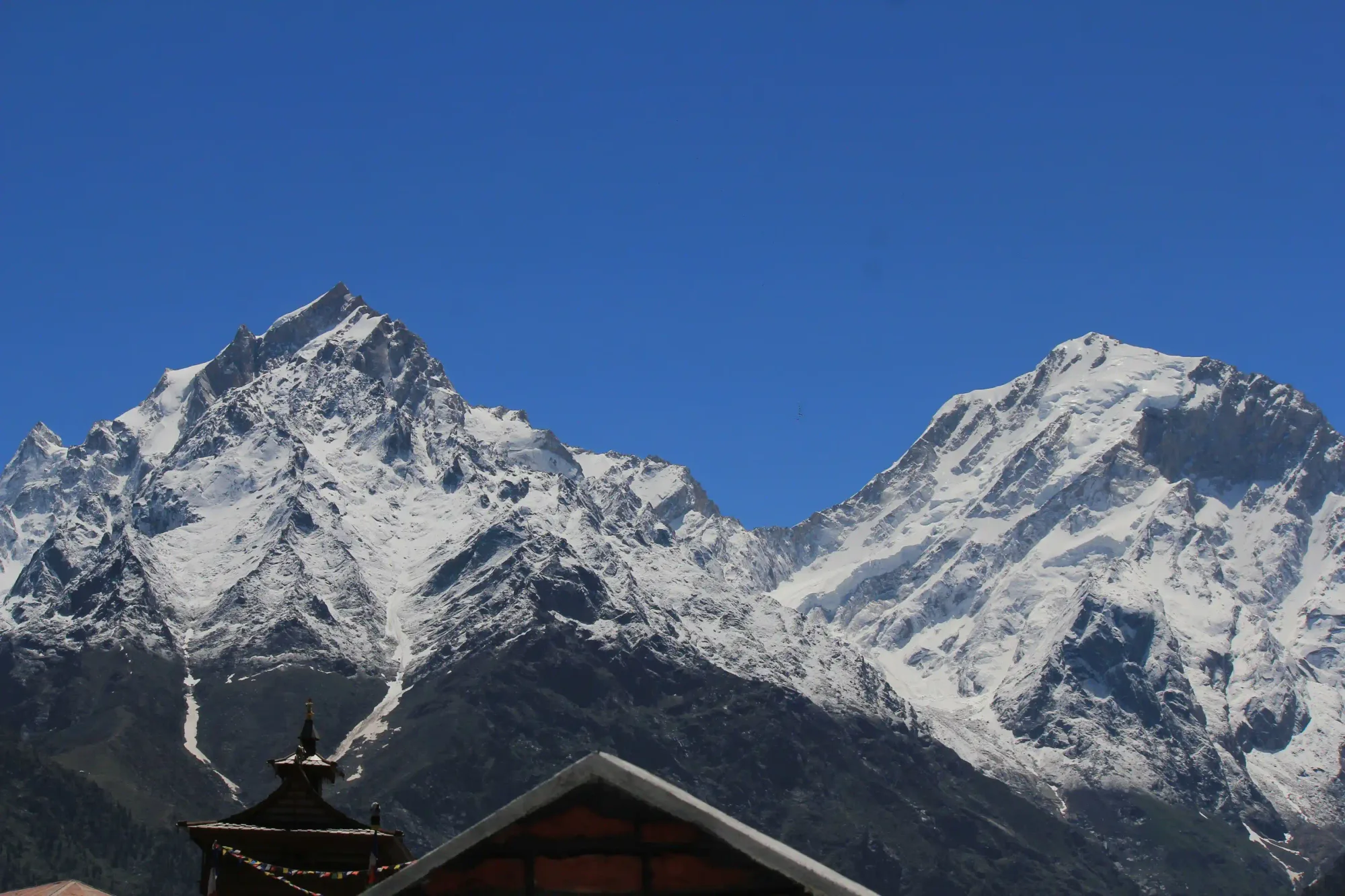
The absolute finest clarity for viewing the Kinnaur Kailash massif.
Crowds
medium
Crystal clear skies. Best visibility of the year.
October
RecommendedConditions
Cold but exceptionally clear autumn conditions. High risk of early snowfall late in the month.
Crowds
low
Crystal clear skies. Best visibility of the year.
November
Conditions
Winter storms arrive, rapidly closing the high passes and base camp approaches.
Crowds
none
Severe cold and early route closure.
Winter setting in. Sub-zero temperatures rapid.
December
Conditions
The route is fully closed and abandoned for the winter.
Crowds
none
Impassable winter snowpack and extreme cold.
Closed. Extreme winter conditions.
Plan Your Trek:
Still deciding?
Compare routes side-by-side to find the perfect match for your fitness, dates, and budget.
Timing makes or breaks a trek. Send this to your group before you decide.
Step 3: Route Intelligence
You've chosen a season.
Now see exactly how the route unfolds day by day, including terrain types and daily altitude profiles.
Explore the Itinerary