
Explore
Intelligence
Essential Planning Guide
Jalori Pass & Serolsar Lake Trek — Complete Guide (2026)
Vibe & Scenery
The Experience
Introduction
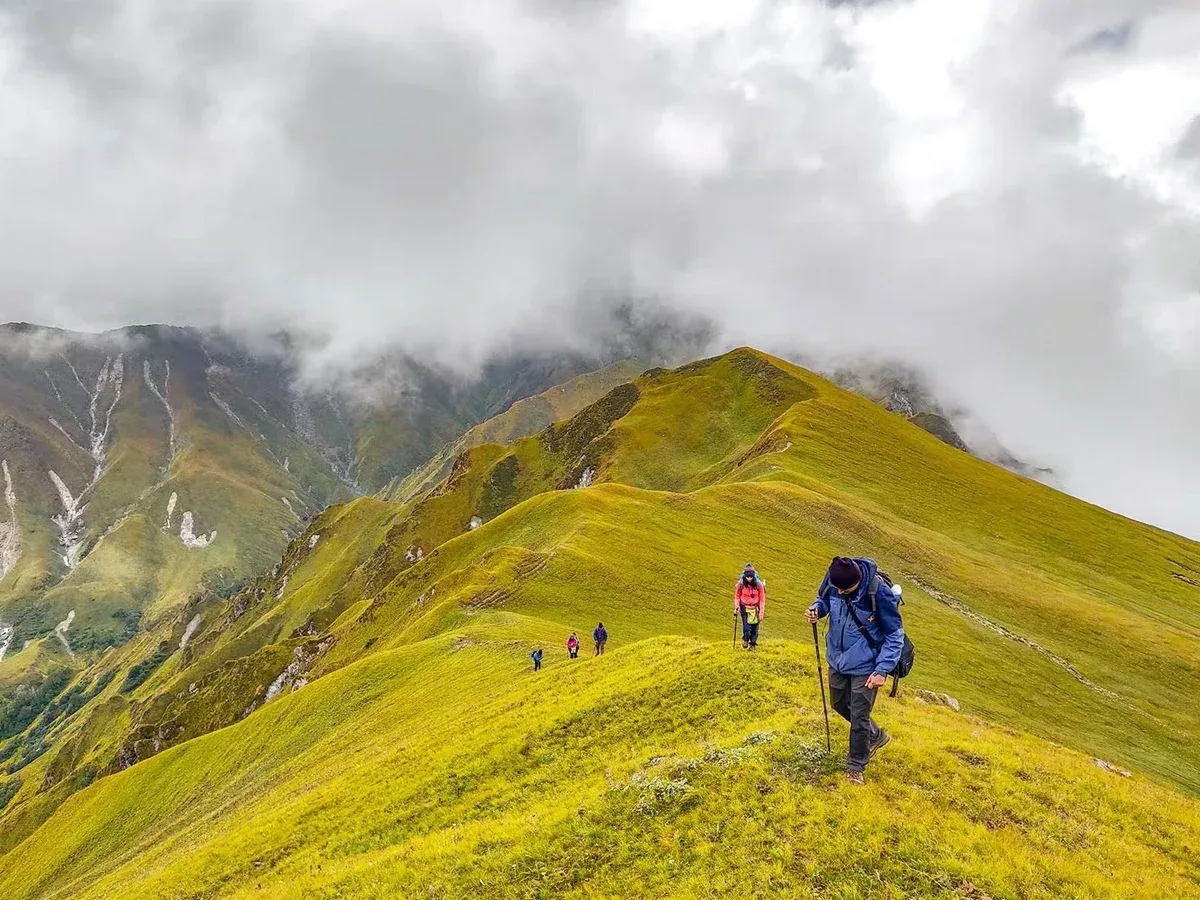
The Jalori Pass–Serolsar Lake Trek is a classic day hike in the Seraj region of Himachal Pradesh, combining dense temperate forests with local mythology and beautiful mountain scenery. Beginning from Jalori Pass, the trail follows an easy ridge through forests of kharsu oak, spruce, and fir before arriving at the secluded waters of Serolsar Lake.
The lake holds deep religious significance and is associated with Buddhi Nagin, the local serpent deity. According to local tradition, the lake remains remarkably clean and is protected by both religious customs and the surrounding forest ecosystem.
Suitable for beginners, families, and casual hikers, this trek offers an excellent introduction to Himalayan walking without requiring significant altitude gain.
Quick Facts
Duration
Max Altitude
Difficulty
Best Time
Trek Distance
Trail Atmosphere
Stargazing
Class 3 Dark Sky
Scent Profile
Silence Level
~40 dB
Vertigo Factor
1 / 10
Iconic Spots
Serolsar Lake Edge
Environment
Nature & Culture
Flora & Fauna
Flora
Fauna
The lake is the sacred abode of Goddess Buddhi Nagin (the mother of 60 Naga deities in Himachal).
— Local folklore
Spiritual & Cultural Significance
High value to local villagers of Shoja and Banjar.
🕐 Shrine Timings: N/A
Temple Protocols
- •Do not throw coins in the lake
- •Do not bathe in the lake
Technical Details
Challenge & Preparation
Primarily a cardio demand challenge
A welcoming route that balances cardio demand and joint & muscle impact.
Personal Readiness
Am I ready?
Planning
Logistics & Trail Intel
Getting There
Route to Base
Bus to Aut (on the Kullu highway), then bus/taxi to Jibhi and Shoja
Base Village
Shoja / Jibhi
8,000 ft
Last ATM
Banjar / Jibhi
Nearest Medical Facility
Banjar Hospital
Mobile Signal
Drops immediately 1km into the trail.
Water Sources
Carry water. Dhabas near the lake sell water.
Charging
Zero.
For Drivers
Road Condition
Aut to Jibhi is ok. Shoja to Jalori is intensely steep and narrow.
Banjar
Trail Culinary & Diet
Don't miss the Rajma Chawal at Dhaba
Buy specialized diet items at Jibhi
The Content & Remote Hub
No DronesFlying directly over the lake is banned due to its sacred nature.Top Vlog Spots
Video Calls
none
Est. 0 Mbps
UPI Reliability
2/10
Permits and Regulations
No permits required. Respect the deity of the lake; do not touch the water or throw garbage in the area.
Learn more about how we vet operators and ensure transparency on our why MountRoutes page.
Packing List
Clothing
- Fleece jacket (Jalori pass is notoriously windy and cold year-round)
- Comfortable walking trousers
- Windbreaker jacket
Footwear
- Standard trail/running shoes
Accessories
- Small daypack
- Water bottle
Deep Dives
Explore Further
Editor's Notes
Observe the lake carefully. You will actually see a tiny species of bird (abibi) flying down to scoop up fallen pine needles to keep the lake clean.
Explore In Detail
Day by Day Itinerary
1-day route reaching 10,280ft. Covers 10km of varied terrain.
→ See full itinerary with altitude profileDifficulty & Fitness
Rated accessible. Flat dirt path under heavy forest canopy.
→ See difficulty breakdown and fitness guideCost & Pricing
Packages range from ₹2,500 – ₹9,000. Inclusions and hidden costs vary by operator tier.
→ See full cost breakdownFrequently Asked Questions
Can I drive to the start of the trek?
Yes. The highway from Banjar/Shoja drives right over Jalori Pass. You park at the Dhabas on the pass and walk from there.
Is it safe for children?
Yes, absolutely. The trail has virtually zero elevation gain and is heavily populated with other walkers.
How long is the trek to Serolsar Lake from Jalori Pass?
The trek from Jalori Pass to Serolsar Lake is approximately 5 to 6 kilometers one way. It takes about 2 to 3 hours of leisurely walking through beautiful oak and pine forests to reach the lake from the pass.
Is the Jalori Pass to Serolsar Lake trek suitable for beginners?
Yes, the trek is relatively flat with very gradual inclines, making it highly suitable for beginners, families, and elderly people with basic fitness levels. The trail is well-defined and easy to navigate.
Can we camp at Serolsar Lake?
Camping right next to the holy Serolsar Lake is strictly prohibited due to local religious beliefs. However, there are designated camping spots a short distance away from the lake where you can pitch tents or stay in temporary dhabas during the season.
What is the best time to visit Serolsar Lake?
The best time to visit Serolsar Lake is from April to June and September to November. During these months, the weather is pleasant, and the trail is clear. In winter (December to March), the trail receives heavy snowfall and becomes a beautiful snow trek.
Are there food stalls available on the Serolsar Lake trek?
Yes, there are a few small food stalls (dhabas) near Serolsar Lake and along the trail, especially during the peak tourist season. They offer basic food items like Maggi, tea, biscuits, and simple local meals.
Is it safe to trek to Serolsar Lake in winter?
Trekking in winter is generally safe but requires caution. The trail from Jalori Pass can have thick snow and ice, making it slippery. Good trekking shoes, warm clothing, and optionally micro-spikes are recommended. Always check weather conditions before heading out.
How to reach Jalori Pass from Delhi or Chandigarh?
You can take an overnight bus from Delhi or Chandigarh to Aut (on the Kullu-Manali highway). From Aut, take a local bus or taxi towards Banjar and then to Shoja or Jalori Pass. The drive from Aut to Jalori Pass takes about 2.5 to 3 hours.
What kind of shoes are recommended for the Serolsar Lake trek?
A comfortable pair of walking shoes or sports shoes with good grip is sufficient for summer and autumn. However, if you are visiting in winter, waterproof trekking shoes with ankle support and deep treads are highly recommended to prevent slipping on snow.
Still deciding?
Compare routes side-by-side to find the perfect match for your fitness, dates, and budget.
Everything you need to know, in one place. Someone else in your group needs to see this.
Planning Jalori Pass & Serolsar Lake Trek?
Get route conditions, operator updates, and season windows before booking.
Don't miss out! Follow us for route updates@mountroutes|LinkedIn
No spam. Only useful trek updates.
Ready to walk this route?
You’ve read the guide, now find the perfect local team to take you there. Compare our verified list of operators.
Compare verified operators