
Difficulty & Readiness Guide
Is GHNP Tirth Source Trek Difficult? — Fitness & Altitude Guide
A hard 7-day remote trek through the Great Himalayan National Park buffer zone with every terrain type — river trail, dense forest, alpine meadow, moraine, and glacier snout. Only for trekkers with prior multi-day high-altitude experience.
Difficulty Level
Technical Rating
58/100
Preparation Required
Advanced
AuditPrior Experience
Required: At least 2-3 moderate Himalayan treks (above 13,000ft).
Score Engine v3
Why This Score?
Stamina
76/100
Based on average nightly altitude gain, highest campsite, and daily distance. Reflects how hard the average day feels.
Spike Day
35/100
Based on max altitude reached, summit day elevation gain, and summit day distance. Reflects the hardest single day.
GHNP Tirth Source Trek/ 58
Day 7 Reality
Caution
Most experienced trekkers who have done this route recommend splitting the Day 7 descent into two days. A 7,400 ft descent after 6 days of cumulative physical effort routinely causes major knee and ankle damage. Gushaini the same day is possible but not advisable.
Terrain Breakdown
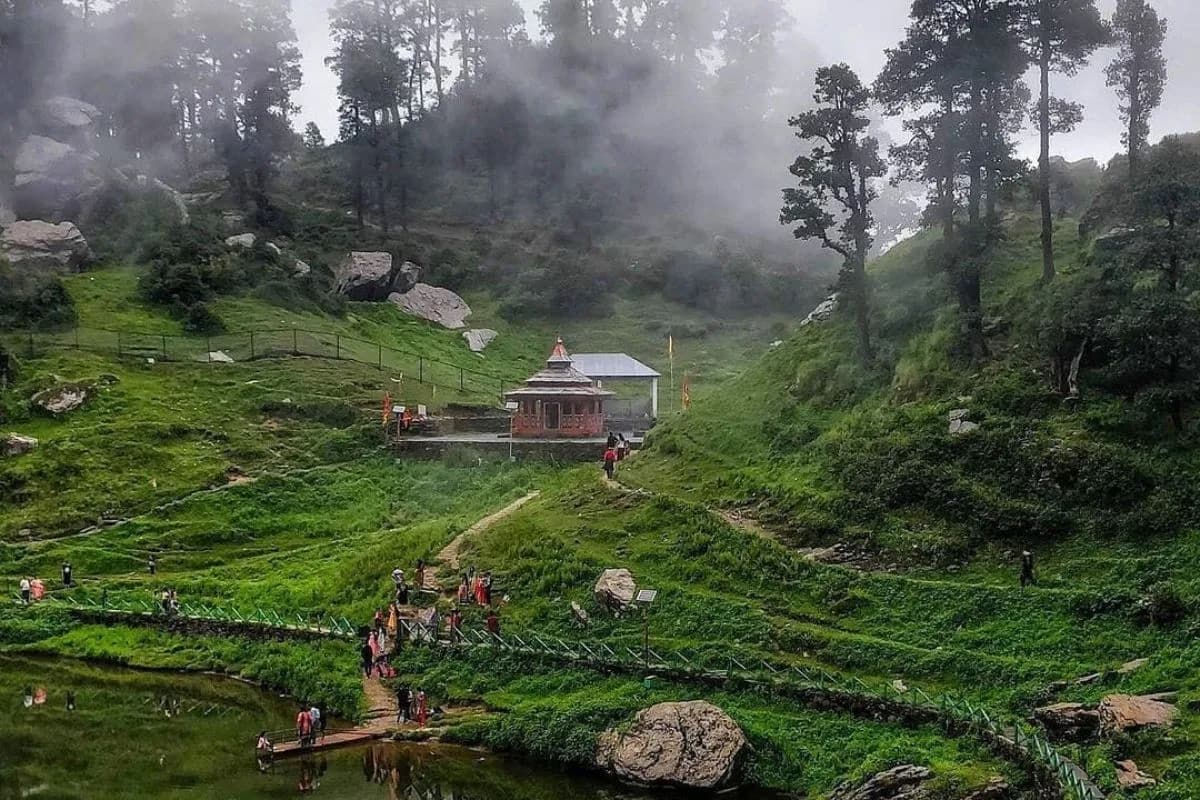
Full spectrum — flat river trail, brutal root forest, open alpine meadow, moraine, and glacier snout. Every terrain type in the Indian Himalayan repertoire.
Summit Day Notes
Day 6 glacier approach is straightforward on moraine with crampons for the final snow patch section. No technical climbing.
The Descent
Day 7's 7,400 ft descent is a grueling physical test. Splitting into 2 days is strongly recommended.
Preparation
Expedition-level fitness essential. Prior completion of a 5+ day high-altitude trek at 12,000+ ft mandatory.
Check your fitness for GHNP Tirth Source TrekAltitude Profile
Sleeping at 13,800 ft on Day 5 is the primary AMS risk. Acclimatization day on Day 4 is non-negotiable.
Run AMS Risk Audit →Trail Performance Data
Max Gradient
65%
Hydration
0.5L per km recommended
Loose Surface Sections
- •Root forest Rolla-Shilt
- •Glacial moraine in upper basin
Common Mistakes on GHNP Tirth Source Trek
Most injuries and failures on this trail can be avoided by making smarter decisions early on.
Not carrying sufficient gas fuel — 7 days of cooking at altitude on gas only
Underestimating Day 2 root forest descent harshness in the reverse direction
Safety & Medical Risks
Key Risks
AMS at 13,800 ft high camp
Flash weather change in upper glacial basin
Navigation errors in upper valley without experienced guide
Root forest injury on Day 7 descent when exhausted
AMS (Altitude Sickness)
Day 4 acclimatization is mandatory. Check blood oxygen twice daily on Days 5-6. Descend at first sign of severe AMS.
Evacuation Route
Retrace to Rolla (2-3 days from high camp). No helicopter access inside GHNP. GHNP ranger radio at Rolla.
Solo Trekking
Completely prohibited. GHNP deep core requires minimum 2 registered trekkers and 1 certified expedition guide.
Common Trail Ailments
🏥 Nearest ICU: Kullu (80 km from Gushaini)
Tactical Emergency Hub
> Helicopter rescue is extremely difficult and unreliable in this terrain. Manual stretcher evacuation to Rolla (3-4 days from high camp). Rolla ranger radio links to Banjar. Emergency contact protocol must be established with Gushaini SDM before departure.
Who Can Do This Trek?
Min Age
18+
Max Age
55
Western Toilets at Base
Yes
Solo Female Travelers
GHNP guide mandatory ensures safety at all times. Upper valley is pristine and non-threatening.
Expert Verdict
Highly technical trek requiring physical and mental preparation.
Ready to book? Compare verified operators for GHNP Tirth Source Trek — transparent pricing, no paid rankings.
Want to know which operators carry certified guides and medical support? See operator safety ratings for GHNP Tirth Source Trek
Also on this trek
Still deciding?
Compare routes side-by-side to find the perfect match for your fitness, dates, and budget.
Still think it's doable? Share this with your trek mate and see if they agree.
Fit for the challenge?
For challenging treks, safety is paramount. Find operators prioritizing medical support and guide expertise.
Compare operator safety scoresKnowledge Integrity
Help us keep this data ground-truth accurate.
This encyclopedia entry for GHNP Tirth Source Trek is curated from a mix of public survey records, first-hand climber accounts, and official permit logs. However, mountains are dynamic. If you have been on this route recently and noticed a change in terrain, water availability, or local regulations, we want to hear from you.
Community Vetted
Last Verified: May 2026
TREK DATABASE