
Explore
Intelligence
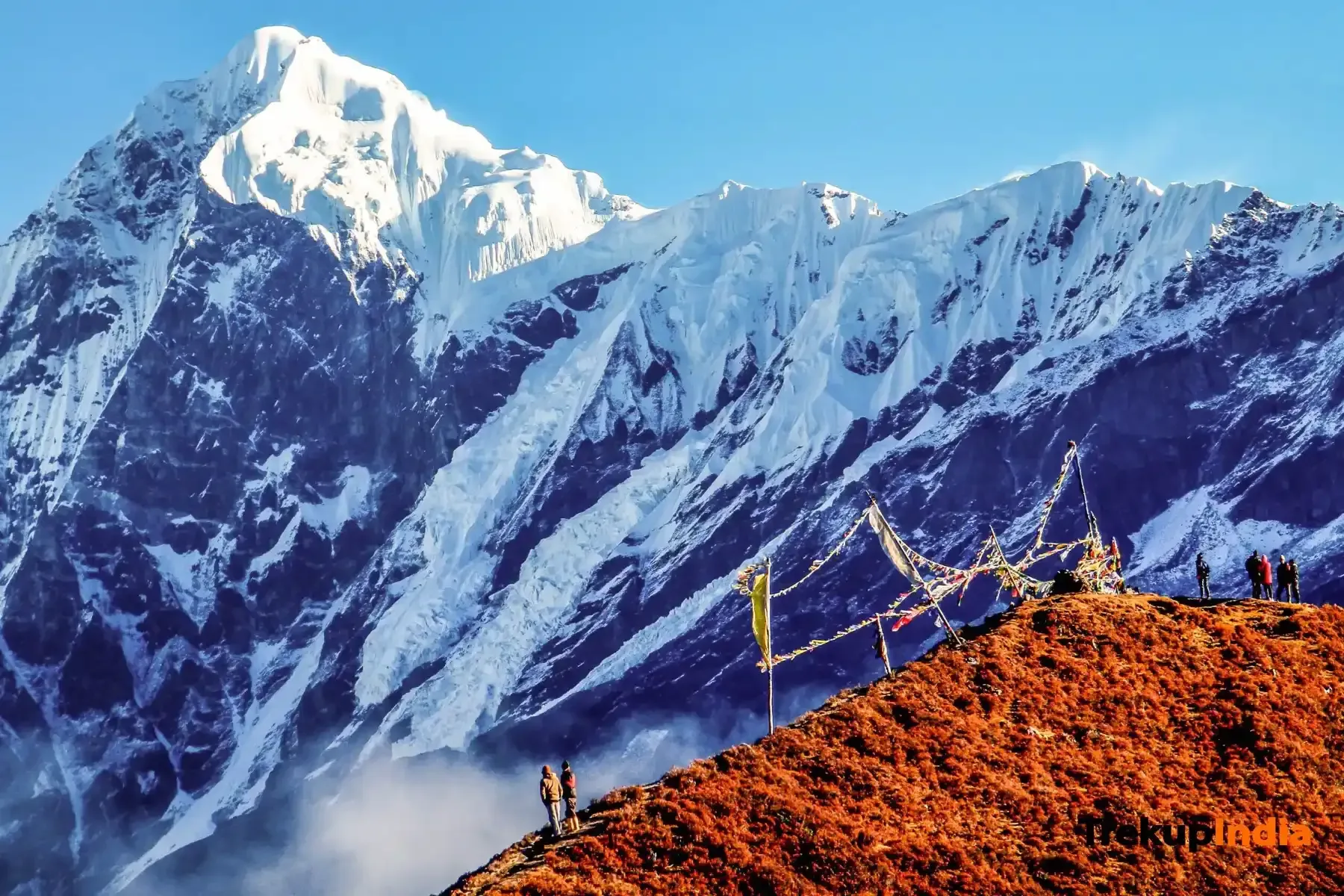
Detailed Route
Deo Tibba Base Camp Trek Itinerary — Day by Day Route & Camps
Begins near Manali (Jagatsukh), winding through lush forests to the vast alpine grazing pastures of Seri.
Standard RouteThis is the standard mountain pacing for this trek. Specific operators may add an acclimatization day or alter the starting point. Check individual operator schedules for their exact logistics.
Duration
5 Days
Total Distance
34 KM
Max Altitude
14,000 FT
Trek Type
circuit
Day by Day Breakdown
Camp Alt
9,300 ft
Day Gain
+2,570 ft
Drive to Jagatsukh & Trek to Chhika
Tent camp at Chhika. First views of the Pir Panjal wall through forest gaps. Technical: Drive from Manali to Jagatsukh (15 mins). Trek begins on a well-defined forest trail. Steep initial climb through deodar forest. Chhika is a flat meadow clearing. Good acclimatization day. Landscape: Jagatsukh was the old capital of the Kullu kingdom before Manali rose to prominence. The ancient temple here is dedicated to Lord Shiva and has exquisite wood carvings. Safety: Significant altitude gain. Hydrate aggressively. Walk at a comfortable pace.
Key Landmarks
Staying At
The trail follows the Beas river corridor through a narrow, forested gorge, moving past traditional settlements into increasingly dense lush deodar forests.
Camp Alt
12,000 ft
Day Gain
+2,700 ft
Reach Seri
Tent camp. Seri sunset is one of the finest mountain views in Himachal. Technical: Steady climb through thinning forest into open alpine meadow. Seri is a vast, flower-filled meadow in a natural amphitheater. The views from Seri are the highlight of the trek — Deo Tibba, Indrasan, and the surrounding glaciers dominate the skyline. Landscape: Seri is common staging meadow for Deo Tibba expeditions. It's where expeditions stage before summit attempts. The meadow has witnessed decades of mountaineering history. In June-July, it transforms into a carpet of wildflowers. Safety: 12,000ft. AMS monitoring starts. Oximeter check. Stay warm — the meadow is wind-exposed. Sunset temperatures drop rapidly.
Key Landmarks
Staying At
Tree line disappears as the valley broadens into a spectacular high-altitude alpine meadow basin, replacing the dense forests with expansive grazing pastures.
Camp Alt
14,000 ft
Day Gain
+2,000 ft
Today's Objective
🏔 Summit Deo Tibba Base Camp
Highest camp. Expedition atmosphere. The stars at 14k are extraordinary. Technical: The terrain shifts from meadow to glacial moraine. Walking on loose rocks and scree. One major nallah (stream) crossing — cold and fast. The base camp sits on a moraine shelf with Deo Tibba's ice wall directly above. Crampons/microspikes recommended in early season. Landscape: At the base camp, you are face-to-face with a 19,688 ft peak. The south face of Deo Tibba is a massive ice and rock wall. The silence here is profound — broken only by the crack of falling ice from the glacier. Safety: 14,200ft. Air becomes noticeably thinner above 14,000 ft. Mandatory oximeter check. Sub-zero temperatures possible overnight. Do not overexert. Carry warm water.
Key Landmarks
Staying At
The Seri meadow opens into a barren glacial moraine approach at the base camp.
Field Notes
KEY ACTIONRiver Crossings
Plan to cross early in the day before snowmelt swells the water levels. Unclip backpack waist belts before crossing.
Use Trekking Poles
Trekking poles are highly recommended to save your knees on the descent.
INFOSlower Progress
Progress will be significantly slower and more taxing on your ankles than trail distance suggests.
Camp Alt
9,300 ft
Day Gain
-4,700 ft
Descend to Chhika
Camp at Chhika or continue to Jagatsukh depending on time. Technical: Long descent day. Hard on the knees. Take breaks every 45 mins. The transition from glacier to forest is dramatic.
Key Landmarks
The high alpine meadows narrow into forested river terraces as tree line vegetation reappears in the lower mountain river corridor.
Field Notes
Use Trekking Poles
Trekking poles are highly recommended to save your knees on the descent.
INFOSlower Progress
Progress will be significantly slower and more taxing on your ankles than trail distance suggests.
Camp Alt
6,730 ft
Day Gain
-2,570 ft
Trek to Jagatsukh & Drive to Manali
Descent and drive. Trek concludes. Manali evening.
The high alpine meadows narrow into forested river terraces as tree line vegetation reappears in the lower mountain river corridor.
Trek Extensions & Add-ons
Chanderkhani Pass Link
+2 Daystraverse from Deo Tibba base towards Chanderkhani pass to reach the ancient village of Malana.
Plan Your Trek:
Ready to book? Compare verified operators for Deo Tibba Base Camp Trek — transparent pricing, no paid rankings.
Still deciding?
Compare routes side-by-side to find the perfect match for your fitness, dates, and budget.
Day by day, camp by camp. Send this to your group so everyone's on the same page.
Step 4: Cost & Logistics
You understand the route.
Now see what services, permits, and logistics actually cost.
View Cost Breakdown