
Explore
Intelligence
Essential Planning Guide
Milam Glacier – Ralam Traverse Expedition — Complete Guide (2026)
Vibe & Scenery
The Experience
Introduction
The Milam Glacier and Ralam Valley Traverse is among the most culturally significant expeditions in the Kumaon Himalayas. Following centuries-old Indo-Tibetan trade routes, it explores the legendary Johar Valley before crossing into the isolated Ralam basin via the high Brij Ganga Dhura Pass at approximately 4,660 m (15,300 ft).
Beginning from Munsiyari, the expedition follows the Gori Ganga through the historic villages of Burfu, Martoli, and Milam—settlements that once prospered through trans-Himalayan trade before the border closures of 1962. Beyond Milam Glacier, the route leaves established trails behind, climbing into remote alpine terrain before crossing into the rugged Ralam Valley.
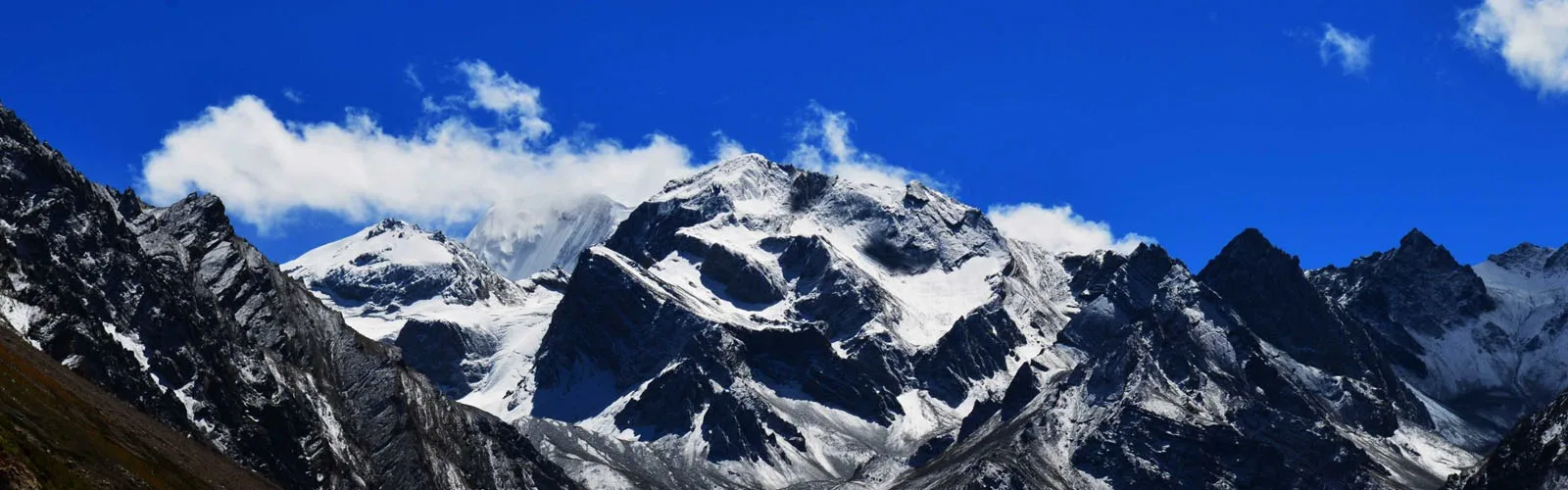
Towering views of Hardeol, Nanda Devi East, Tirsuli, and the surrounding glaciers accompany the expedition, which blends mountaineering-scale wilderness with Kumaon's rich cultural history. It remains one of India's finest expeditions for trekkers seeking both historical depth and true Himalayan remoteness.
Quick Facts
Duration
Max Altitude
Difficulty
Best Time
Trek Distance
Trail Atmosphere
Stargazing
Class 1 Dark Sky
Scent Profile
Silence Level
~15 dB
Iconic Spots
Milam Glacier Snout
Harddeol & Nanda Devi East
Martoli Ghost Village
Johar Valley Culture
Gori Ganga River Gorge
Environment
Nature & Culture
Flora & Fauna
Flora
Fauna
Milam village was a prosperous hub of the Indo-Tibetan trade route. Legend says it was so maze-like that newlywed brides would get lost looking for their new homes.
— Local folklore
Spiritual & Cultural Significance
Temple Protocols
Technical Details
Challenge & Preparation
Primarily a cardio demand and joint & muscle impact challenge
A capable trekker's route that balances cardio demand and joint & muscle impact.
Personal Readiness
Am I ready?
Planning
Logistics & Trail Intel
Getting There
Nearest Railhead
Kathgodam Railway Station (KGM)
Nearest Airport
Pantnagar Airport (PGH) / Bareilly (BEK)
Nearest Medical Facility
Munsiyari CHC / Pithoragarh District Hospital
Mobile Signal
No signal on trail
For Drivers
Trail Culinary & Diet
The Content & Remote Hub
Permits and Regulations
Recent regulatory changes have eased access, though environmental protections remain.
Learn more about how we vet operators and ensure transparency on our why MountRoutes page.
Packing List
Clothing & Footwear
- Moisture-wicking base layers
- Fleece mid-layer
- Heavy insulated down jacket
- Waterproof outer shell
- High-ankle trekking boots
Gear
- 45-60L rucksack with rain cover
- Trekking poles
- Headlamp with extra batteries
- UV400 sunglasses
- Personal medical kit with Diamox
Deep Dives
Explore Further
Editor's Notes
An Inner Line Permit is required. Hiring a local, experienced guide is highly recommended and often mandatory for navigating this border zone.
Explore In Detail
Day by Day Itinerary
12-day route reaching 15,305ft. Covers 122km of varied terrain.
→ See full itinerary with altitude profileDifficulty & Fitness
Rated moderate. Diverse landscapes including lush forests, alpine meadows, river gorges, and rocky glacial moraines. Passes through remote ghost villages.
→ See difficulty breakdown and fitness guideCost & Pricing
Packages range from ₹45,000 – ₹65,000. Inclusions and hidden costs vary by operator tier.
→ See full cost breakdownFrequently Asked Questions
How difficult is the The Milam route?
It is rated as an advanced, highly demanding route. You will be navigating snow, glacier, moraine, scree, meadow and reaching a maximum altitude of 15305 ft. Prior high-altitude trekking or mountaineering experience is strictly required.
Where does the expedition officially start?
The primary logistical hub and starting point is the base camp. For transit, trekkers usually fly into Pantnagar Airport (PGH) / Bareilly (BEK) or take a train to Kathgodam Railway Station (KGM) before driving up to the base.
Are permits strictly required?
Yes. Because this route traverses sensitive and high-altitude regions in Uttarakhand, official forest permits (and potentially Inner Line Permits) are mandatory. Your expedition operator will typically manage the complex documentation.
What kind of fitness preparation is necessary?
You need peak cardiovascular endurance. We recommend rigorous cardiovascular training and load-bearing hikes. The ability to carry an 8-10kg backpack over steep inclines in thin air is critical for success.
Will there be mobile network connectivity?
Connectivity is extremely limited to non-existent. You may get a faint signal at the base camp, but beyond that, the trail is completely off-grid. Reputable operators carry satellite communicators for emergencies.
What is the risk of Acute Mountain Sickness (AMS)?
At heights reaching 15305 ft, the air is incredibly thin, making AMS a severe risk. The itinerary is designed with acclimatization days, but you must stay hydrated and communicate any symptoms like headaches or nausea immediately.
What specialized gear is strictly mandatory?
High-ankle insulated mountaineering boots, a sleeping bag rated to at least -20°C (preferably -40°C for expeditions), and a heavily wind-resistant hardshell jacket are non-negotiable for survival and comfort.
How are emergency evacuations handled in this terrain?
Manual stretcher evacuation to the nearest road-head is the primary and most reliable method. Helicopter rescue is feasible in this region, but it is strictly dependent on clear weather conditions and military clearance.
What are the primary objective hazards on the route?
Beyond sheer exhaustion, trekkers must be mentally prepared for ams risk, rockfall, crevasses, avalanches, whiteout, exposure. Listening to your technical guide and adhering to strict turn-around times is essential for safety.
Still deciding?
Compare routes side-by-side to find the perfect match for your fitness, dates, and budget.
Everything you need to know, in one place. Someone else in your group needs to see this.
Planning Milam Glacier – Ralam Traverse Expedition?
Get route conditions, operator updates, and season windows before booking.
Don't miss out! Follow us for route updates@mountroutes|LinkedIn
No spam. Only useful trek updates.
Ready to walk this route?
You’ve read the guide, now find the perfect local team to take you there. Compare our verified list of operators.
Compare verified operators