We are currently vetting local partners for Charang La Pass Expedition to ensure the highest safety standards. Be the first to know when it's open for booking.
Are you a local operator?
Join our platform to list your verified packages for Charang La Pass Expedition and reach thousands of climbers directly.
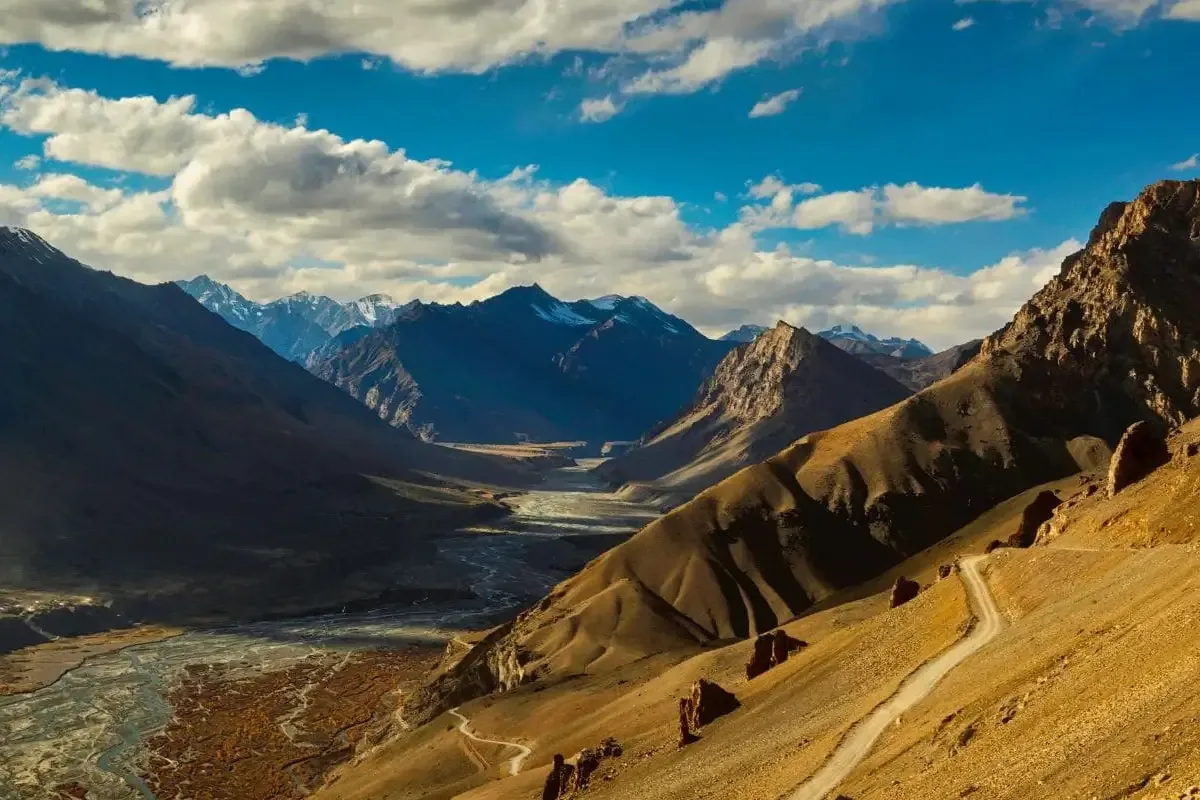
The Charang La Pass Expedition is a remote trans-Himalayan crossing connecting Kinnaur with Spiti through ancient villages, barren high-altitude landscapes, and a demanding alpine pass.
Expedition Highlights
Charang La Pass (5,200m)
Sweeping panoramic views of the sacred Kinnaur Kailash and Raldang peaks.
Kinnaur Valley Transition
Dramatic geographical shift from lush green forests to barren, rocky high-altitude deserts.
Rangrik Tungma Gompa
Ancient Tibetan Buddhist monasteries and traditional Kinnauri wooden architecture in Chitkul and Charang.
Tirung Gad Gorge
Serene glacial streams cutting through deep, rugged mountain canyons.
The Charang La Pass is considered a very difficult and technical expedition. It involves long trekking days, crossing high-altitude passes over 5200m, steep ascents, and walking over moraines and glaciers. It is recommended only for experienced trekkers with excellent physical fitness and prior high-altitude exposure.
What is the best time to do the Charang La Pass trek?
The best time to undertake the Charang La Pass expedition is during the post-monsoon months of late August to early October. During this window, the weather is relatively stable, and the pass has less snow, making the crossing safer and more manageable.
Is prior high-altitude experience required for Charang La?
Yes, prior high-altitude trekking experience is absolutely mandatory for the Charang La Pass. Trekkers should have completed at least two or three treks above 4,500m to understand how their body acclimatizes to thin air and to handle the demanding terrain.
What are the fitness requirements for Charang La Pass?
Trekkers must be in peak physical condition. You should be able to jog 5 km in under 30 minutes and have strong cardiovascular endurance. Core strength and leg muscle endurance are crucial for navigating the steep, rocky terrains and long trekking hours.
Do I need special permits for the Charang La Pass Expedition?
Yes, since the Charang La Pass is located close to the Indo-Tibetan border in the Kinnaur region, you require an Inner Line Permit (ILP) to undertake this expedition. This permit can be obtained from the district magistrate's office in Reckong Peo.
How cold does it get at Charang La Pass?
Temperatures at higher camps and at the pass can be extremely harsh. During the trekking season, daytime temperatures range from 10°C to 15°C, while nighttime temperatures can drop well below freezing, often reaching -5°C to -10°C. High-quality winter layering is essential.
What kind of trekking gear is essential for Charang La?
Essential gear includes a high-quality down jacket, waterproof trekking boots with excellent ankle support, micro-spikes or crampons depending on snow conditions, a -10°C rated sleeping bag, trekking poles, and a robust layering system for unpredictable mountain weather.
Are there water sources available along the Charang La route?
Water sources are available at lower camps, typically fed by glacial streams. However, as you climb higher towards the pass, water becomes scarce. Trekkers must carry at least 2 liters of water each day and use water purification tablets or filters before drinking.
Can I do the Charang La Pass trek solo?
No, solo trekking is highly discouraged and often not permitted due to the remote nature of the terrain, objective hazards like crevasses and rockfalls, and the requirement of Inner Line Permits. A certified guide and an organized expedition team are highly recommended.
What are the symptoms of altitude sickness to watch out for during this expedition?
Trekkers must monitor for symptoms of Acute Mountain Sickness (AMS), which include severe headache, nausea, dizziness, shortness of breath, and fatigue. If symptoms escalate to HAPE or HACE (fluid in lungs or brain), immediate descent and medical attention are mandatory.
How difficult is the Charang La Pass Expedition?
The Charang La Pass is considered a very difficult and technical expedition. It involves long trekking days, crossing high-altitude passes over 5200m, steep ascents, and walking over moraines and glaciers. It is recommended only for experienced trekkers with excellent physical fitness and prior high-altitude exposure.
What is the best time to do the Charang La Pass trek?
The best time to undertake the Charang La Pass expedition is during the post-monsoon months of late August to early October. During this window, the weather is relatively stable, and the pass has less snow, making the crossing safer and more manageable.
Is prior high-altitude experience required for Charang La?
Yes, prior high-altitude trekking experience is absolutely mandatory for the Charang La Pass. Trekkers should have completed at least two or three treks above 4,500m to understand how their body acclimatizes to thin air and to handle the demanding terrain.
What are the fitness requirements for Charang La Pass?
Trekkers must be in peak physical condition. You should be able to jog 5 km in under 30 minutes and have strong cardiovascular endurance. Core strength and leg muscle endurance are crucial for navigating the steep, rocky terrains and long trekking hours.
Do I need special permits for the Charang La Pass Expedition?
Yes, since the Charang La Pass is located close to the Indo-Tibetan border in the Kinnaur region, you require an Inner Line Permit (ILP) to undertake this expedition. This permit can be obtained from the district magistrate's office in Reckong Peo.
How cold does it get at Charang La Pass?
Temperatures at higher camps and at the pass can be extremely harsh. During the trekking season, daytime temperatures range from 10°C to 15°C, while nighttime temperatures can drop well below freezing, often reaching -5°C to -10°C. High-quality winter layering is essential.
What kind of trekking gear is essential for Charang La?
Essential gear includes a high-quality down jacket, waterproof trekking boots with excellent ankle support, micro-spikes or crampons depending on snow conditions, a -10°C rated sleeping bag, trekking poles, and a robust layering system for unpredictable mountain weather.
Are there water sources available along the Charang La route?
Water sources are available at lower camps, typically fed by glacial streams. However, as you climb higher towards the pass, water becomes scarce. Trekkers must carry at least 2 liters of water each day and use water purification tablets or filters before drinking.
Can I do the Charang La Pass trek solo?
No, solo trekking is highly discouraged and often not permitted due to the remote nature of the terrain, objective hazards like crevasses and rockfalls, and the requirement of Inner Line Permits. A certified guide and an organized expedition team are highly recommended.
What are the symptoms of altitude sickness to watch out for during this expedition?
Trekkers must monitor for symptoms of Acute Mountain Sickness (AMS), which include severe headache, nausea, dizziness, shortness of breath, and fatigue. If symptoms escalate to HAPE or HACE (fluid in lungs or brain), immediate descent and medical attention are mandatory.
Are you a local operator?
Join our platform to list your verified packages for this expedition.