
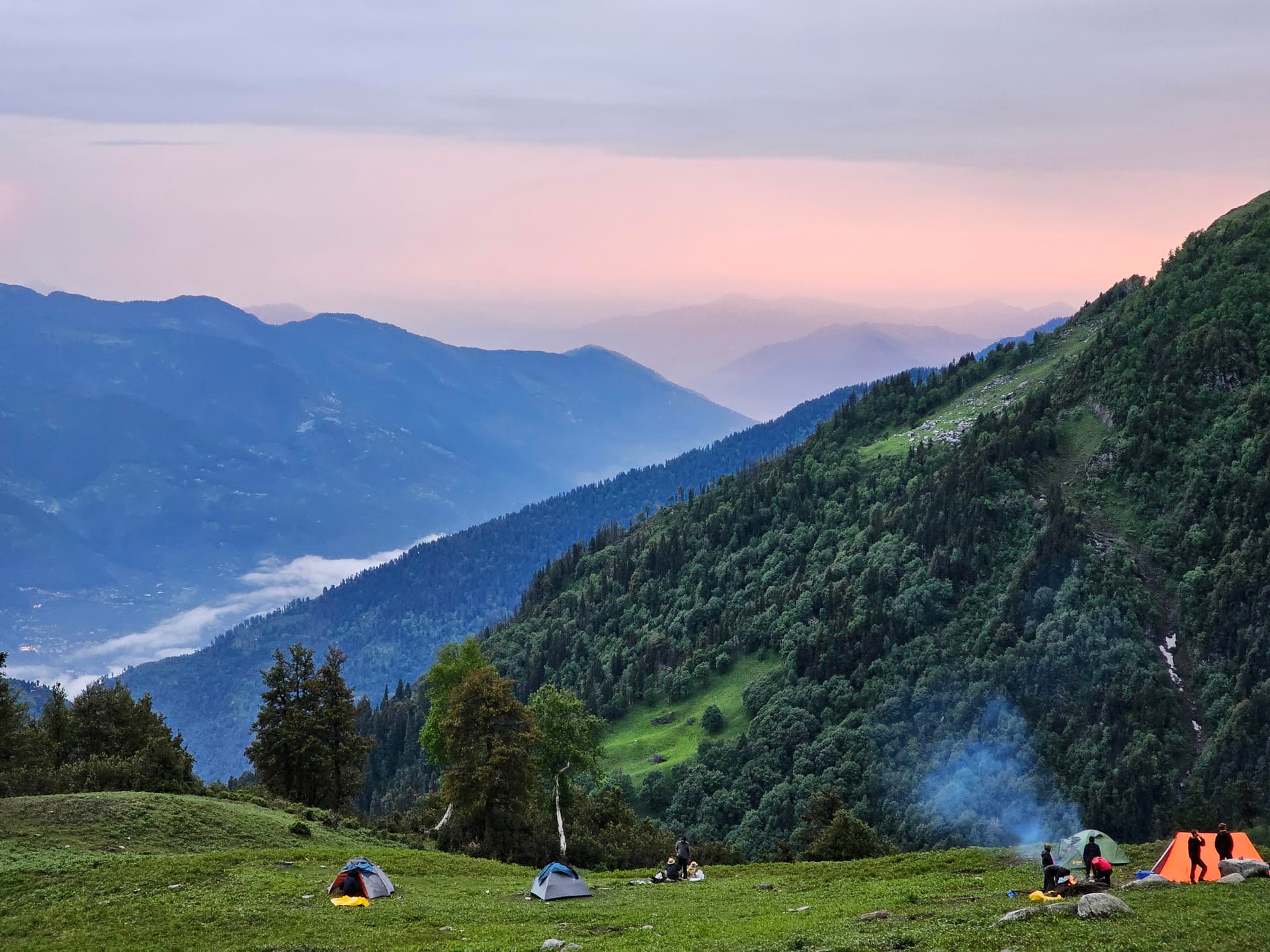
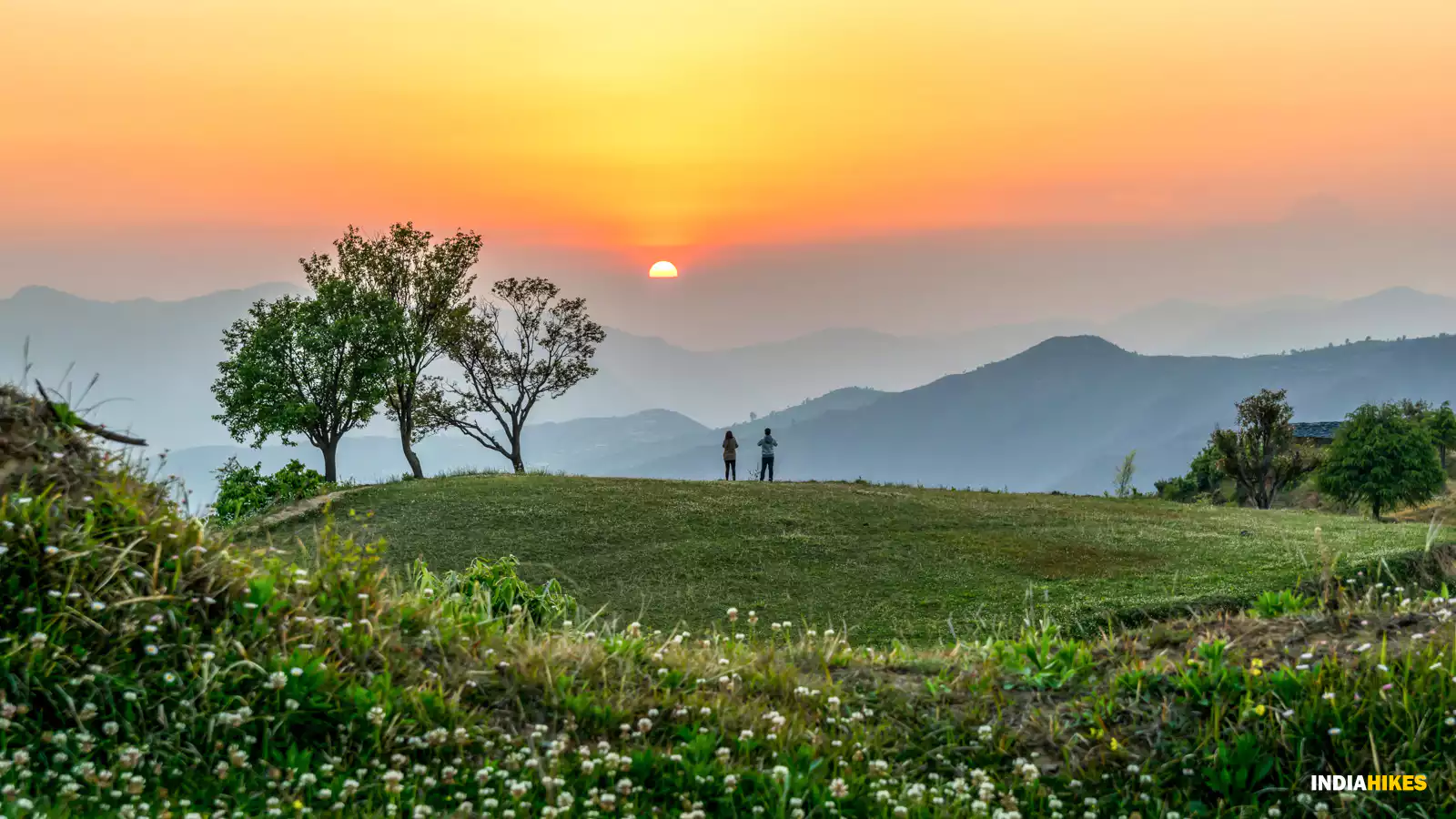
Altitude
15,400 ft
9,912 ft
Duration
6D
2D
Distance
62km
16km
Grade
hard
easy
Kalihani Pass Trek is significantly more demanding than Nag Tibba Trek.
These aren't quite in the same league. The gap in altitude, difficulty, and duration is large enough that your preparation strategy will be completely different for each. The data below is still useful — but don't treat this as an apples-to-apples comparison.
Fairer comparisons
Best For
First-timers
No prior trek experience required
Budget trekkers
Starts ₹11,500 cheaper at budget tier
Summit baggers
5,488ft higher peak altitude
Which trek is right for you?
Curated guidance · Not sponsoredCHOOSE KALIHANI PASS IF...
- ›You have at least one prior trek under your belt
- ›Helicopter rescue backup matters in your planning
CHOOSE NAG TIBBA IF...
- ›This is your first Himalayan trek
- ›You are looking for a more budget-friendly option
- ›You want a classic winter snow experience
Month-by-Month Planner
Key Differences
Altitude Comparison
The altitude gap here is significant. Kalihani Pass Trek takes you 5,488ft higher than Nag Tibba Trek — expect meaningfully harder breathing, a slower pace on the upper section, and a real difference in AMS risk between the two.
Experience Required
Nag Tibba Trek welcomes complete beginners — no prior Himalayan trek required. Kalihani Pass Trek recommends at least one prior high-altitude experience. The difference is real on summit day.
Cost Comparison
Nag Tibba Trek starts lower at budget tier (₹3,500 – ₹7,500) vs Kalihani Pass Trek (₹15,000 to ₹22,000). The gap at entry level is ₹11,500 — meaningful if you're cost-sensitive.
Better for: Nag Tibba
Emergency Evacuation
Kalihani Pass Trek has helicopter rescue feasibility near the route — air evacuation is possible in a crisis. Nag Tibba Trek has no helicopter access. The only evacuation option there is on foot back to the road. Factor this into your risk planning.
Better for: Kalihani Pass
Medical Access & Risk
Nag Tibba Trek provides a higher level of safety infrastructure, specifically noting oxygen refill capabilities at basecamp which Kalihani Pass Trek lacks.
Better for: Nag Tibba
Terrain Steepness
Don't just look at the difficulty rating. Kalihani Pass Trek features punishing climbs with a max gradient of 50%, posing a significant challenge to knees. Nag Tibba Trek is much more forgiving with a gentler 25% max gradient.
Better for: Nag Tibba
Family & Comfort
Nag Tibba Trek is a better option for younger families, allowing children from age 6, compared to Kalihani Pass Trek which has a minimum age of 18.
Better for: Nag Tibba
Wildlife & Predators
Kalihani Pass Trek passes through active high-altitude predator territory (noted for bears or snow leopards), requiring strict food storage and noise deterrents. Nag Tibba Trek has virtually zero predator risk along its trail.
Crowd & Atmosphere
Kalihani Pass Trek: Extremely low. Nag Tibba Trek: moderate. Stargazing: Kalihani Pass Trek has a darker sky (Bortle 1 vs 3) — a meaningful difference on a clear night.
Side-by-Side Facts
Kalihani Pass
Nag Tibba
Wildlife
Himalayan Brown Bear, Snow Leopard (Upper Kangra)
Barking Deer, Langur
Flora
Deodar, Oak
Oak, Rhododendron
Stargazing
Bortle 1
Bortle 3
Helicopter rescue
✅ Feasible
❌ Not feasible
Gear rental
✅ Available
✅ Available
Prior trek needed
✅ Required
❌ Not required
People Also Compared
View operators for
Kalihani Pass Trek
View operators for
Nag Tibba Trek