
Explore
Intelligence
Hatu Peak vs Tirthan Valley
Which trek should you attempt next?
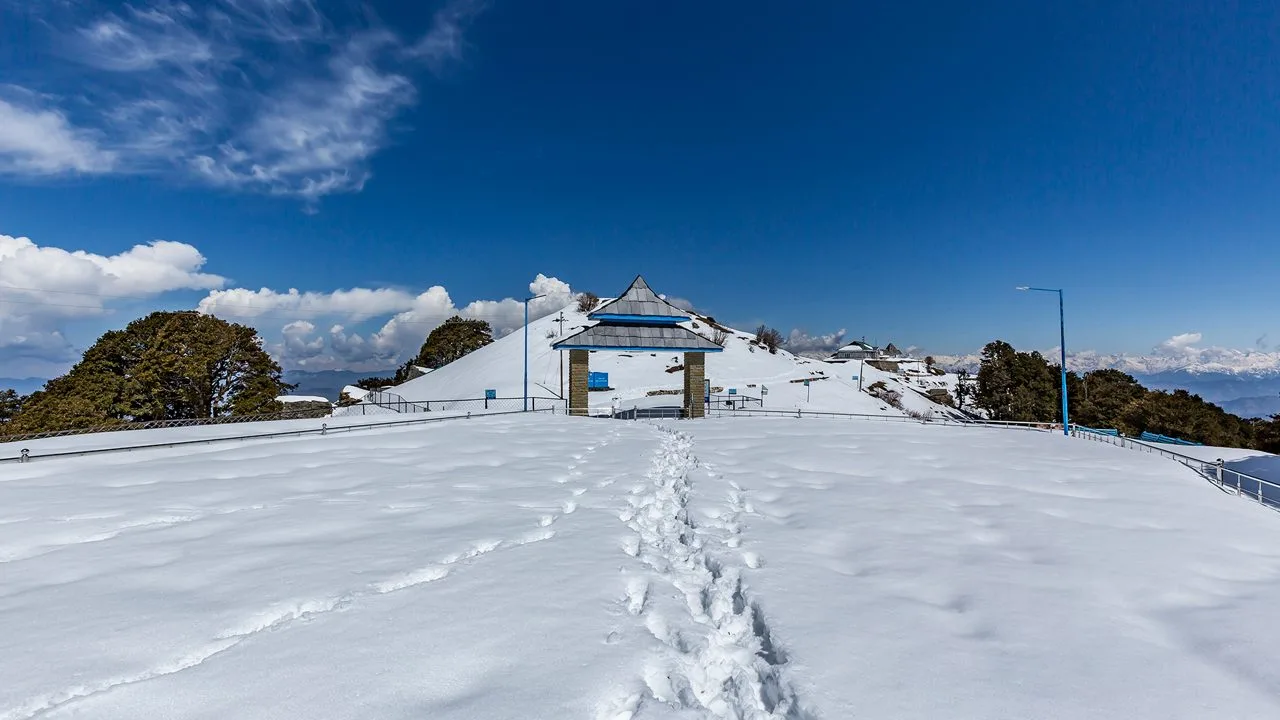
Hatu Peak Trek
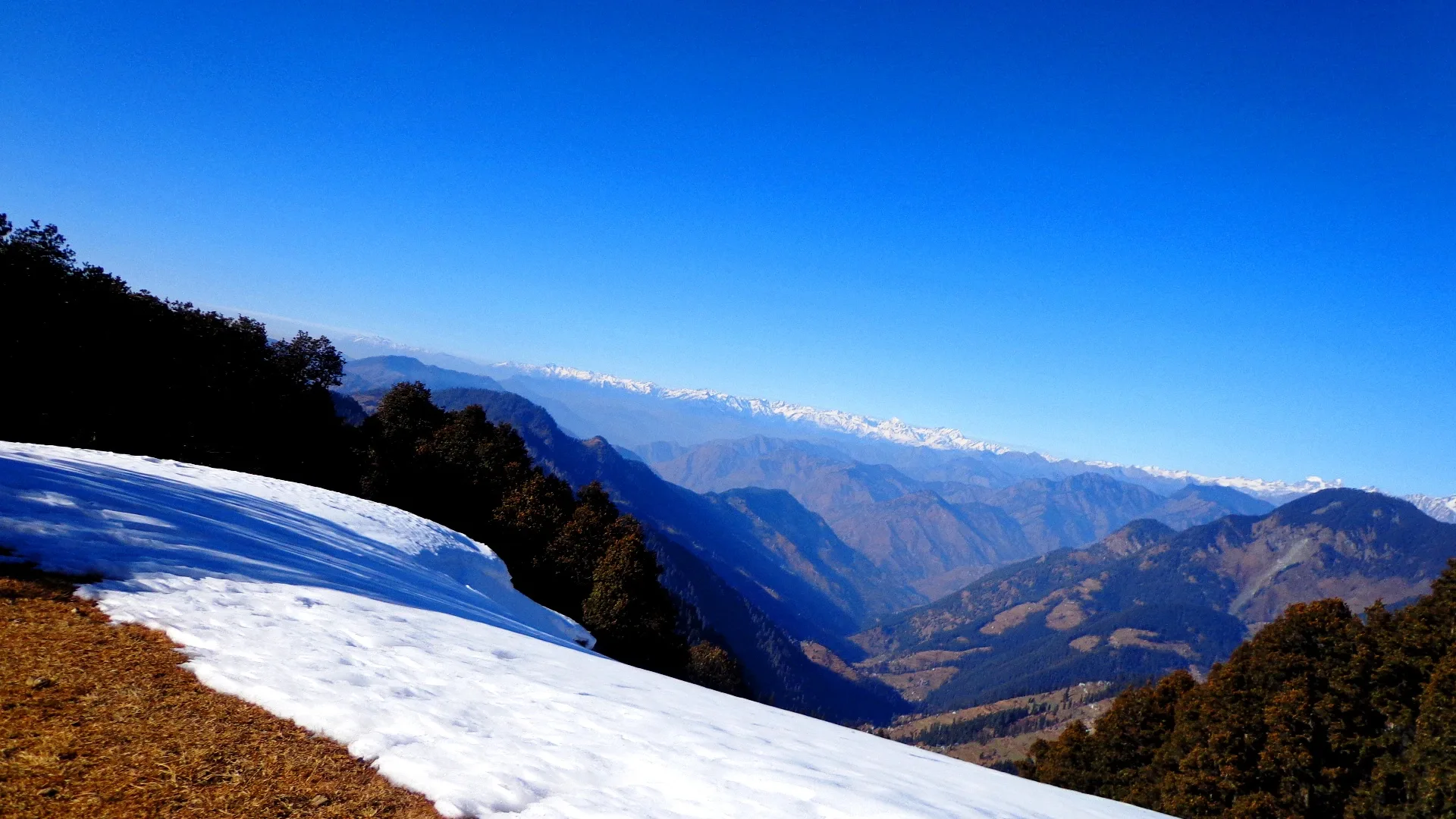
Tirthan Valley Trek
Hatu Peak — The perfect progression trek
Tirthan Valley — The more punishing physical test
MountRoutes Recommendation
Hatu Peak is best if safer, more predictable progression path
Tirthan Valley is best if maximum high-altitude exposure is your absolute priority
At A Glance
Why They Differ
Altitude Profile
Your Next Step
Choose the hardest trek you've completed. We'll show how these routes compare.
Choose an anchor trek to see your personalized difficulty mapping.
Progression is one thing.
Physical readiness is another.
Your Fitness Matchboard
Can your body handle these routes?
Find out whether you're ready now, need more training, or should choose an easier objective. Takes 2 minutes.
Best For
Final Recommendation
Baseline RecommendationMountRoutes Pick
Hatu Peak
Why we recommend this
Hatu Peak introduces expedition logistics with a lower-risk progression curve, making it the safer first expedition for most trekkers. Tirthan Valley demands a significantly steeper physical toll.
- Safer, more predictable progression path
- More forgiving overall acclimatization profile
- Requires less sustained trail endurance (shorter duration)
- Optimal benchmark for first-time or transitioning aspirants
Alternative Pick
Tirthan Valley
Choose instead if...
- Maximum high-altitude exposure is your absolute priority
- You are fully prepared for a steeper, more intense exertion curve
- You already have strong technical or multi-day expedition experience
The Hardest Day
MethodologyBoth routes challenge you with Movement Demand, but their stress patterns are completely different.
Hatu Peak · Hardest Day
Visit Hatu Peak & Return
Why Trekkers Struggle
Most trekkers fail on Hatu Peak because the sheer physical volume outpaces their aerobic endurance. Long, punishing days on the trail steadily erode their overnight recovery capacity.
Best Suited For
Endurance athletes accustomed to back-to-back 10+ hour days on the trail.
What Makes It Difficult
- Long Distance Summit Push
Stress Curve
Tirthan Valley · Hardest Day
Reach Shilt Hut
Why Trekkers Struggle
Most trekkers fail on Tirthan Valley because the sheer physical volume outpaces their aerobic endurance. Long, punishing days on the trail steadily erode their overnight recovery capacity.
Best Suited For
Fast-and-light hikers who thrive on raw vertical gain and steep leg punishment.
What Makes It Difficult
- Steep Vertical Gain
Stress Curve
Comparison Intelligence
Why They Feel Different
Tirthan Valley is more demanding primarily because it combines significantly higher muscular load with greater cumulative expedition fatigue.
Primary Differences
- Tirthan Valley places heavier cumulative wear on the legs and joints
- Greater mental fatigue and isolation play a secondary role
- Fundamentally different challenge types: structural vs aerobic
View Full Comparison Analysis
Different Routes. Different Skills.
Both mountains require comparable cardiovascular stamina.
Tirthan Valley reaches significantly higher sleeping and climbing altitudes, making acclimatization a much larger part of the challenge.
Tirthan Valley places more cumulative stress on knees, quads, and descending muscles.
Tirthan Valley demands more confident movement on steep and exposed terrain, while Hatu Peak relies less on technical footwork.
Tirthan Valley exposes trekkers to higher levels of cold, isolation, and cumulative expedition fatigue.
Key Differences
At A GlanceCommitment
Tirthan Valley
2 additional days
Month-by-Month Planner
Best Shared Window
These months typically offer stable conditions, good access, and reliable summit opportunities for both routes.
Hatu Peak shines:
Feb • Dec
Planning & Logistics
Route Data Sheet
Detailed specifications for trekkers who want the raw operational and expedition data.
Safety & Rescue
Helicopter rescue
Available
SharedEvacuation
Narkanda Helipad
Bhuntar Helipad
Logistics
Gear rental
Narkanda bazaar has shops renting snow boots, heavy jackets, and walking sticks in winter.
Sai Ropa / Gushaini
Drive to base
2.5 hrs
SharedConnectivity
Limited EvidenceExcellent connectivity (Jio, Airtel) throughout the hike.
Jio/Airtel works in Gushaini, complete dark zone after the park gate.
Experience Requirements
Prior experience
Not required
Required
Minimum age
8 yrs
12 yrs
Technical Details
River crossings
—
Yes
Glacier crossing
—
SharedIce grade
—
N/A
Rock grade
—
N/A
Technical descent
Standard trail
none
Terrain Profile
Hatu Peak
Tirthan Valley
Similar Decisions
View full guide for
Hatu Peak Trek
View full guide for
Tirthan Valley Trek