
Explore
Intelligence
Difficulty & Readiness Guide
Is Saichu Valley Trek Difficult? — Fitness & Altitude Guide
Extreme. A grueling wilderness expedition featuring trackless terrain, treacherous boulder fields, and freezing river crossings far from civilization.
The Question
Can I do this trek?
Preparation Required
Intermediate
Prior Experience
Recommended: 1-2 easy Himalayan treks or regular hiking experience.
Expert Verdict
Highly technical trek requiring physical and mental preparation.
Saichu Valley Trek
Himalayan Placement · Index 45Route Knowledge
Why is it difficult?
Exertion Index
Primary Challenge
Route Identity
Fast-paced or high-mileage route demanding excellent cardiovascular fitness across a trek featuring loose moraine.
Primary Drivers
- Maximum sleeping altitude of 13,500 ft
- 3 consecutive high-output trekking days
- Peak daily distance of 12 km
View Full Route Analysis
Physiological Demand
Challenging daily distances and steady climbs. Good cardiovascular fitness is required.
Significant time spent above 12,000ft. Expect shortness of breath and slower pacing.
Comfortable pacing with good recovery options.
Rolling or gradual terrain with minimal harsh impact on joints.
Well-defined, stable trails with no technical maneuvers required.
Terrain Breakdown
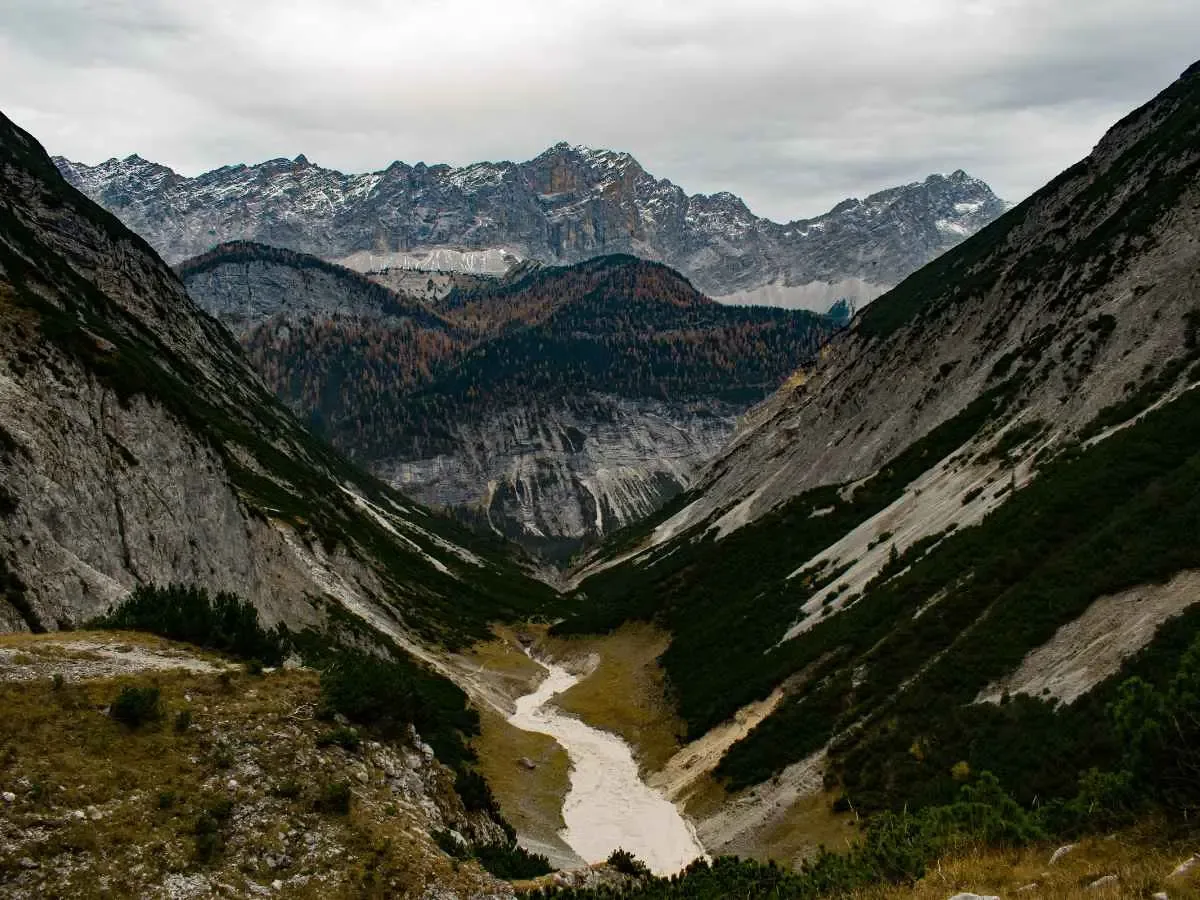
The terrain is raw and unmaintained. Expect to navigate thick brush, loose scree, massive boulder fields (moraine), and fast-flowing glacial streams without bridges.
Summit Day Notes
There is no peak summit; the challenge is the sustained altitude and ruggedness of the upper basin exploration. Weather can change in minutes.
The Descent
The descent over moraine is punishing on the knees and ankles. Extreme care is needed to avoid twisted joints on loose rocks.
Altitude Profile
The trek involves sleeping above 11,000 ft and 13,000 ft, necessitating proper acclimatization protocols in Killar and Saichu prior to ascent.
Run AMS Risk Audit →Trail Performance Data
Max Gradient
35%
Hydration
1.5L per km recommended
Loose Surface Sections
- •Moraine fields above treeline
- •River embankments
Personal Readiness
Am I ready?
What this route demands
People who feel comfortable on this route can usually:
Who Can Do This Trek?
Min Age
18+
Max Age
50
Western Toilets at Base
No
Solo Female Travelers
The danger here is strictly environmental (terrain, weather, wildlife), not human. Solo trekking of any kind is prohibited.
Hazard Profile
What goes wrong?
Common Mistakes on Saichu Valley Trek
Most injuries and failures on this trail can be avoided by making smarter decisions early on.
Attempting river crossings in the late afternoon when glacial melt is at its peak.
Underestimating the time required to navigate trackless boulder fields.
Safety & Medical Risks
Key Risks
Drowning or hypothermia from river crossings
Rockfalls in moraine fields
Acute Mountain Sickness (AMS)
Bear Encounters
AMS (Altitude Sickness)
Sleeping above 13,000 ft requires proper acclimatization. Since evacuation is extremely difficult, prevention is paramount.
Evacuation Route
Manual stretcher carry to Saichu village, followed by a 4x4 drive to Killar.
Solo Trekking
Strictly prohibited by the nature of the terrain. A solo injury here is almost certainly fatal due to lack of traffic and comms.
Common Trail Ailments
🏥 Nearest ICU: Manali (14+ hours away over passes)
Tactical Emergency Hub
> Helicopter evacuation is theoretically possible from Killar, but highly weather-dependent. Ground evac from the valley takes days.
Auditability
How is this calculated?
Before attempting this route:
Still deciding?
Compare routes side-by-side to find the perfect match for your fitness, dates, and budget.
Still think it's doable? Share this with your trek mate and see if they agree.
Step 2: Seasonal Safety
You know how demanding this route is.
Now find the safest and most reliable season to attempt it.
Check Best Time to Go