
Season & Weather Guide
Best Time — Char Dham Yatra
Seasonal Overview
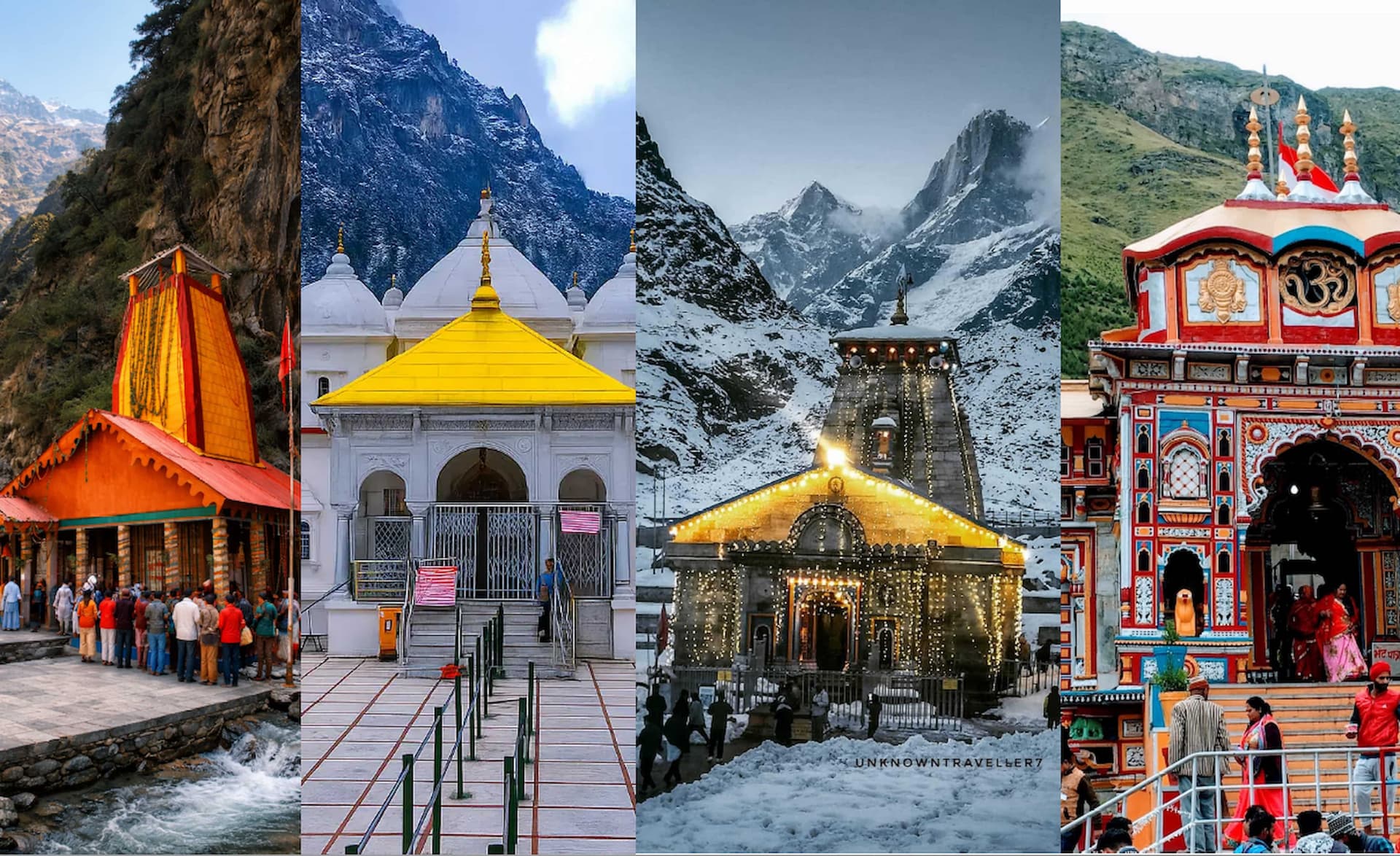
Char Dham temples are open for approximately six months each year, from late April/early May to October/November. The yatra season is dictated by the Himalayan snowmelt cycle and the ritual Vedic calendar. Shoulder months (May and September–October) offer the best balance of accessibility and manageable crowds.
Peak Season
may, october
Off Season
june, july, august
Worth knowing
Key point
October has the best weather of the entire season — clear skies, crisp air, full Himalayan views. But temples close end of October. Book early and confirm closing dates before fixing travel.
Caution
June after the 15th is genuinely dangerous — landslides on all four approach routes are common, not rare. Families booking June for school holidays should plan the first two weeks only or move to September.
Tip
Opening and closing dates shift by up to 2 weeks every year based on the Vedic calendar. Never book travel without confirming the exact dates for that year with your operator.
Month-by-Month Trail Guide
January
Conditions
All four temples closed. Heavy snow at all dham sites. Roads blocked.
Crowds
none
Temples closed for winter
February
Conditions
Temples closed. Sub-zero temperatures. Road clearance begins late February.
Crowds
none
Temples closed for winter
March
Conditions
Temples closed. Snow melting at lower elevations. Operators begin accepting bookings.
Crowds
none
Temples closed; opening still 6–8 weeks away
April
RecommendedConditions
Temples open late April (Akshaya Tritiya). Early-season cold — expect 0–10°C at Kedarnath. Roads may have snow patches. Sparse crowds first two weeks.
Crowds
low
May
RecommendedConditions
Peak season begins after opening rush. Weather clear, roads good. Temperatures 5–20°C across dhams. Best overall month.
Crowds
high
June
Conditions
Good weather first two weeks. Monsoon arrives mid-June — landslide risk rises sharply after June 15. Roads become unpredictable.
Crowds
high
Monsoon onset brings landslide and road closure risk from mid-June
July
Conditions
Full monsoon. Frequent landslides, road closures, and flash floods. Yatra officially continues but disruptions are common.
Crowds
medium
High landslide and flooding risk; significant travel disruption likely
August
Conditions
Heavy monsoon continues. Same risks as July. Avoid unless very flexible on dates.
Crowds
medium
Same landslide and disruption risks as July
September
RecommendedConditions
Monsoon retreats mid-September. Skies clear, landscapes lush and green. Excellent visibility. Temples less crowded. Highly recommended.
Crowds
medium
October
RecommendedConditions
Best weather of the season — clear, crisp, post-monsoon views of high Himalaya. Cool at altitude (2–12°C). Temples close end of October / early November. Book early.
Crowds
high
November
Conditions
Temples close first two weeks. Closing ceremonies are spiritually significant but yatra itself ends.
Crowds
low
Temples close for winter by mid-November
December
Conditions
All temples closed. Deep winter, snowbound roads.
Crowds
none
Temples closed for winter
Important Tips
Opening and closing dates are announced each year by the temple committees based on the Vedic calendar and vary by up to 2 weeks annually. Confirm exact dates with your operator before booking.
Timing makes or breaks a trek. Send this to your group before you decide.
Plan your Char Dham Yatra journey
Now that you know when to go, find the best operators for your preferred dates.
Compare verified operators