
Explore
Intelligence
Season & Weather Guide
Best Time for Annapurna Base Camp Trek — Month-by-Month Guide
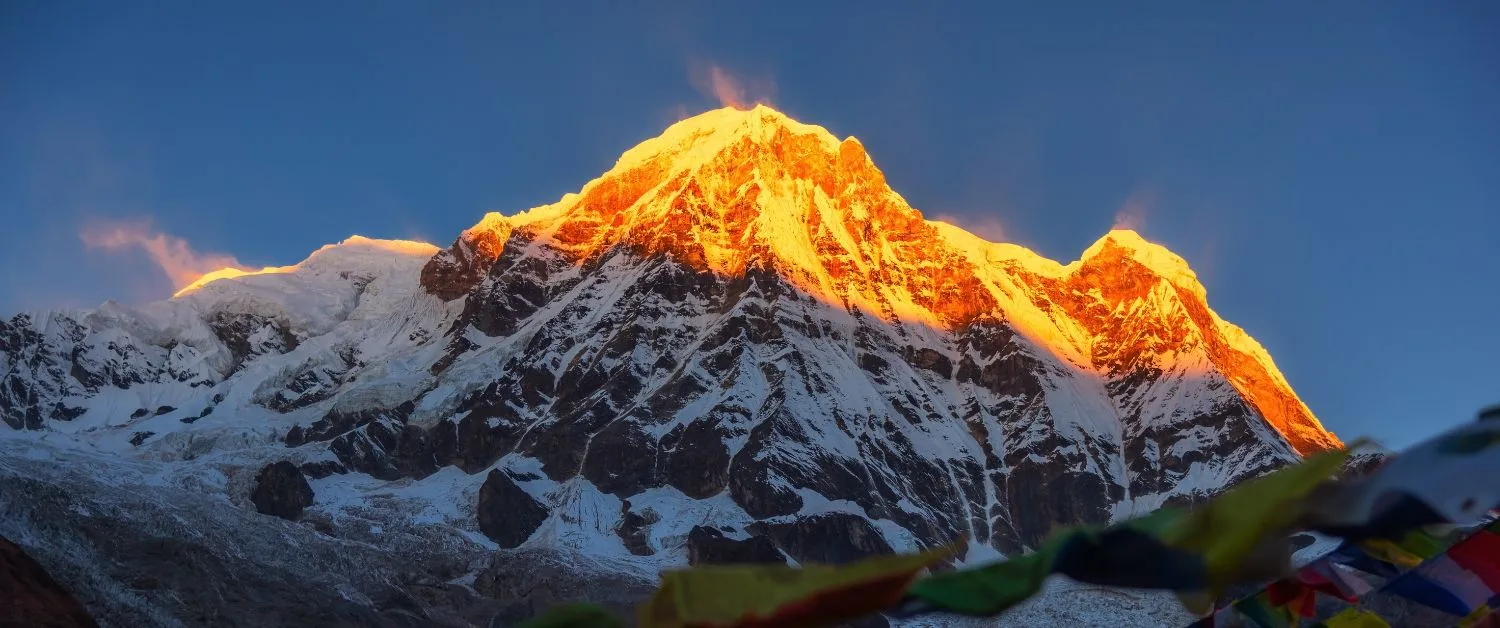
Outstanding in spring (March-May) for spectacular forest blooms, and autumn (September-November) for crystal clear skies. Views of surrounding peaks are cleanest and sharpest during these stable windows.
Seasonal Verdict
When should you go?
Annapurna Base Camp (ABC) is a classic teahouse trek in Nepal. The primary seasons are Spring (March-May) for spectacular rhododendron blooms and Autumn (Sept-Nov) for the clearest mountain views. Monsoon brings heavy rain and leeches, while Winter brings extreme cold and avalanche risks in the Modi Khola gorge.
Season at a Glance
Editor's Notes
Post-monsoon Autumn (October-November) offers absolute sky clarity and breathtaking view details.
Avoid planning flights or major transits during high monsoon months due to frequent weather delays.
Month by Month
What each month looks like
January
Conditions
Extreme cold. Teahouses in the upper sanctuary may close. Avalanche risk in the gorge.
Crowds
low
Harsh winter conditions. Off-season specialized experience for veterans.
Closed. Extreme winter conditions.
February
Conditions
Deep winter. Heavy snow accumulation makes the trail to base camp treacherous.
Crowds
low
Harsh winter conditions. Off-season specialized experience for veterans.
Closed. Extreme winter conditions.
March
Peak SeasonConditions
Spring begins. The lower forests start blooming with rhododendrons. Snow begins to clear.
Crowds
medium
Early season. Deep snow accumulations.
April
Peak SeasonConditions
Peak spring season. The trail is awash in pink and red rhododendron blooms. Excellent weather.
Crowds
high
Early season. Deep snow accumulations.
May
Peak SeasonConditions
Late spring. Warmest trekking temperatures, though afternoon clouds may obscure views.
Crowds
high
Prime pre-monsoon window. Good snow stability.
June
Conditions
Monsoon begins. Trails become muddy, leech-infested, and mountain views are rarely visible.
Crowds
low
Heavy monsoon rains and severe leech infestations.
Prime pre-monsoon window. Good snow stability.
July
Conditions
Peak monsoon. Heavy downpours, slippery stone steps, and zero mountain visibility.
Crowds
none
Heavy monsoon rains and severe leech infestations.
Monsoon danger. Landslides and severe rains.
August
Conditions
Peak monsoon. Landslide risks on the approach trails. Constant rain.
Crowds
none
Heavy monsoon rains and severe leech infestations.
Monsoon danger. Landslides and severe rains.
September
Peak SeasonConditions
Monsoon withdraws. The landscape is incredibly lush, though early September can still see rain.
Crowds
medium
Crystal clear skies. Best visibility of the year.
October
Peak SeasonConditions
The absolute peak season. Crystal clear skies offer flawless 360-degree views of the Annapurna massif.
Crowds
high
Crystal clear skies. Best visibility of the year.
November
Peak SeasonConditions
Excellent visibility continues. Temperatures begin to drop significantly, especially at Base Camp.
Crowds
high
Winter setting in. Sub-zero temperatures rapid.
December
Conditions
Winter sets in. Very cold at night. Many trekkers avoid due to the freezing temperatures.
Crowds
low
Extreme winter cold and potential early avalanche risk.
Closed. Extreme winter conditions.
Plan Your Trek:
Still deciding?
Compare routes side-by-side to find the perfect match for your fitness, dates, and budget.
Timing makes or breaks a trek. Send this to your group before you decide.
Step 3: Route Intelligence
You've chosen a season.
Now see exactly how the route unfolds day by day, including terrain types and daily altitude profiles.
Explore the Itinerary