
Explore
Intelligence
Compare operators for
Pin Bhabha Pass Trek
Compare operators for Pin Bhabha Pass Trek
Interested in this trek?
We are currently vetting local partners for Pin Bhabha Pass Trek to ensure the highest safety standards. Be the first to know when it's open for booking.
Are you a local operator?
Join our platform to list your verified packages for Pin Bhabha Pass Trek and reach thousands of trekkers directly.
Found the right operator? Share this list with whoever's coming with you.
Better Prep.
Safer Expeditions.
Free professional-grade tools to audit your altitude safety and generate personalized gear checklists.
About Pin Bhabha Pass Trek
The Pin Bhabha Pass Trek is one of the Himalayas' most spectacular crossover expeditions, linking the lush Bhabha Valley of Kinnaur with the cold desert landscapes of Spiti. Crossing Pin Bhabha Pass at approximately 16,100 ft, the route showcases one of India's most dramatic transitions in terrain, climate, and culture.
Trek Highlights
Mulling Meadows
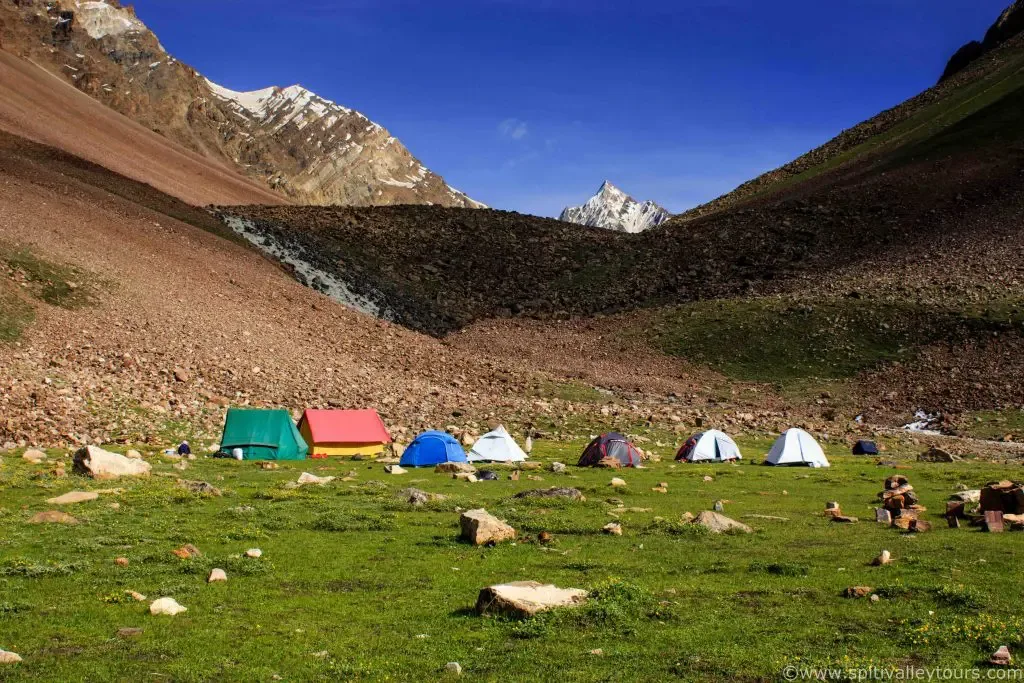
An endless expanse of rolling green that looks like the Swiss Alps.
Pin Bhabha Top
The exact line where the green grass ends and the barren purple scree of Spiti begins.
Common Questions
How does Pin Bhabha compare to Pin Parvati Pass?
Is this trek suitable for beginners?
Why do the landscapes suddenly change?
Can I do this trek without a guide?
Is there phone network on the trek?
What is the AMS risk?
Are there any river crossings?
What if someone gets sick near the pass?
Do I need to carry oxygen?
How cold does it get at night?
How does Pin Bhabha compare to Pin Parvati Pass?
Is this trek suitable for beginners?
Why do the landscapes suddenly change?
Can I do this trek without a guide?
Is there phone network on the trek?
What is the AMS risk?
Are there any river crossings?
What if someone gets sick near the pass?
Do I need to carry oxygen?
How cold does it get at night?
Are you a local operator?
Join our platform to list your verified packages for this trek.
Planning Pin Bhabha Pass Trek?
Get route conditions, operator updates, and season windows before booking.
Don't miss out! Follow us for route updates@mountroutes|LinkedIn
No spam. Only useful trek updates.
Explore Collections